Key Takeaways
- The High Desert has a growing recovery community with AA, NA, and alternative support groups meeting weekly.
- Victorville and Hesperia host the highest concentration of recovery meetings in the High Desert region.
- Online and phone-based meetings supplement in-person options for residents in more remote areas.
- Faith-based recovery programs like Celebrate Recovery are widely available through High Desert churches.
- Connecting with a recovery community during or after treatment is one of the strongest predictors of long-term sobriety.
Recovery in the High Desert
The High Desert region of San Bernardino County, encompassing Victorville, Hesperia, Apple Valley, Barstow, and surrounding communities, presents unique challenges and opportunities for individuals in recovery. Geographic isolation from the larger Inland Empire cities, limited public transportation, and fewer treatment providers mean that peer-based recovery support groups play an especially critical role in sustaining sobriety.
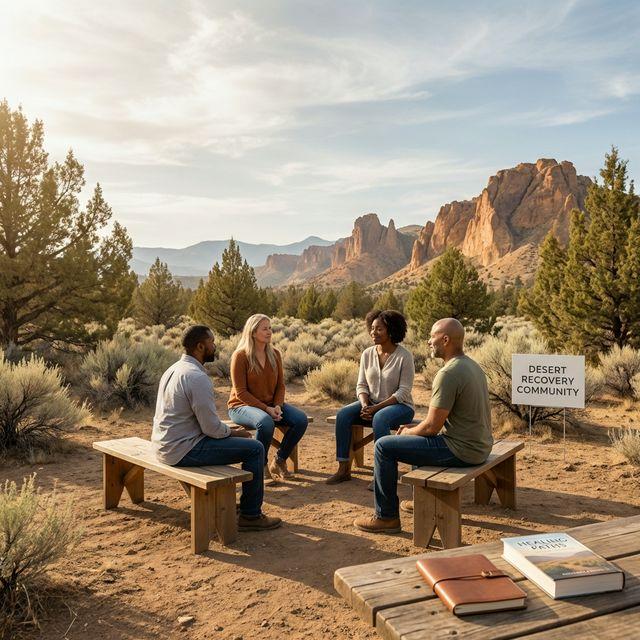
Despite these challenges, the High Desert recovery community has grown significantly in recent years. Local churches, community centers, and dedicated recovery spaces host meetings throughout the week. A close-knit culture of mutual support has developed among High Desert recovery members who understand the specific challenges of maintaining sobriety in their communities.
This guide provides an overview of available recovery support options in the High Desert and practical guidance for building a recovery network that sustains long-term sobriety in this region.
AA and NA Meetings in the High Desert
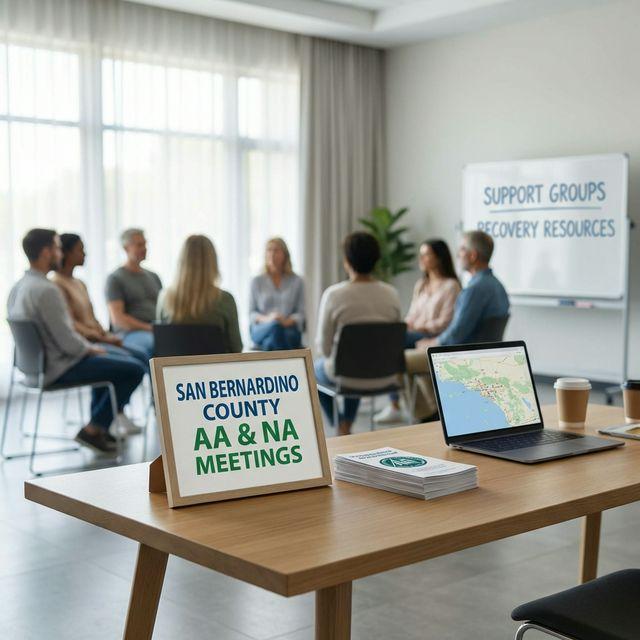
Alcoholics Anonymous and Narcotics Anonymous maintain a consistent presence in the High Desert, with meetings held at churches, community centers, and dedicated meeting halls in Victorville, Hesperia, Apple Valley, and Barstow. The concentration of meetings is highest in Victorville and Hesperia along the Bear Valley Road and Main Street corridors.
Meeting types include open discussion groups welcoming anyone interested in recovery, closed meetings for individuals who identify as alcoholics or addicts, speaker meetings featuring personal recovery stories, and step study groups that work systematically through the 12 steps. Spanish-language meetings are available at several locations to serve the High Desert's Spanish-speaking population.
The Inland Empire Central Office for AA and the regional NA service committee maintain directories of meetings throughout the High Desert. Mobile apps like Meeting Guide and NA Meeting Search provide GPS-based meeting finders that make locating nearby meetings straightforward.
- Victorville: Multiple AA and NA meetings daily at various locations
- Hesperia: Regular meetings at churches and the community center
- Apple Valley: Weekly meetings available at local churches and community spaces
- Barstow: Limited but growing meeting schedule with several weekly options
- Online options: Virtual meetings supplement in-person gatherings for remote residents
Alternative Recovery Support Options
Beyond traditional 12-step programs, High Desert residents have access to alternative recovery support groups that appeal to different philosophies and preferences. SMART Recovery, which uses a cognitive-behavioral, self-empowerment approach, has begun meeting in the Victor Valley area with both in-person and online options.
Celebrate Recovery, a Christian-based recovery program, is widely available through churches throughout the High Desert. These programs address a broad range of addictive behaviors and life challenges within a faith-based framework that resonates with many community members.
Recovery Dharma and Refuge Recovery, which apply mindfulness and Buddhist principles to recovery, are accessible primarily through online meetings for High Desert residents, though some members organize informal local gatherings. The diversity of options ensures that individuals can find a recovery path aligned with their values and beliefs.
Building a Recovery Network in the High Desert
Building a strong recovery network in the High Desert requires intentional effort due to the region's geographic spread. Individuals new to recovery should attend meetings consistently, introduce themselves to other members, exchange phone numbers, and participate in fellowship activities before and after meetings.
Securing a sponsor, an experienced member who guides newcomers through the recovery process, is a foundational step in 12-step programs. In the High Desert, where meeting options are fewer than in larger cities, the sponsor relationship provides critical between-meeting support and accountability.
Social media and messaging groups have become important tools for the High Desert recovery community. Private Facebook groups and group text threads allow members to stay connected between meetings, share encouragement, coordinate rides, and organize sober social activities. These digital connections supplement in-person meetings and reduce the isolation that geographic distance can create.
Try at least three different meetings in the High Desert before deciding which groups fit best. Each meeting has its own personality, and the group that becomes your recovery home may not be the first one you attend.
Professional Treatment and Aftercare for High Desert Residents
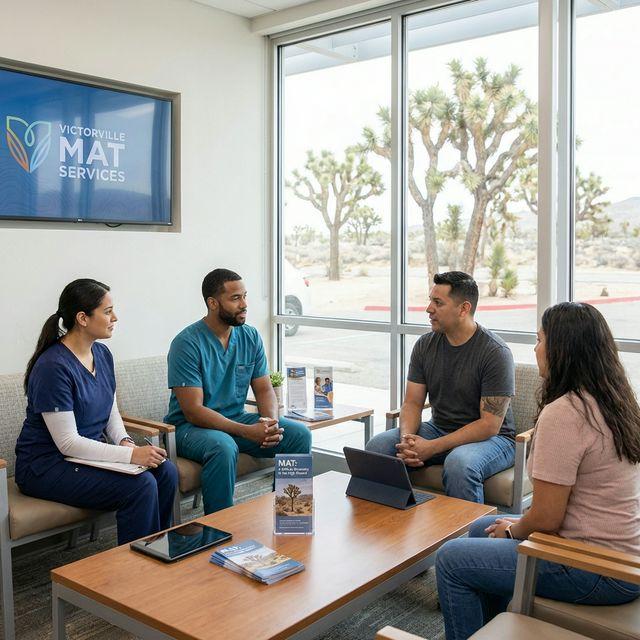
Recovery support groups are most effective when they complement professional addiction treatment rather than replace it. For High Desert residents, professional treatment options include outpatient providers in the Victor Valley area, residential programs in the broader Inland Empire, and comprehensive facilities in Orange County.
Trust SoCal in Fountain Valley provides JCAHO-accredited treatment including medical detox, residential care, and outpatient programming. While the High Desert is approximately ninety minutes from Fountain Valley, many residents find that the geographic distance from their community supports recovery by providing separation from triggering environments.
After completing treatment, returning to the High Desert with a strong recovery meeting schedule, a sponsor, and outpatient aftercare in place creates the foundation for sustained sobriety. Trust SoCal's clinical team helps High Desert residents develop aftercare plans that connect them with local recovery resources before discharge. Call (949) 280-8360.
Madeline Villarreal, Counselor
Counselor