Key Takeaways
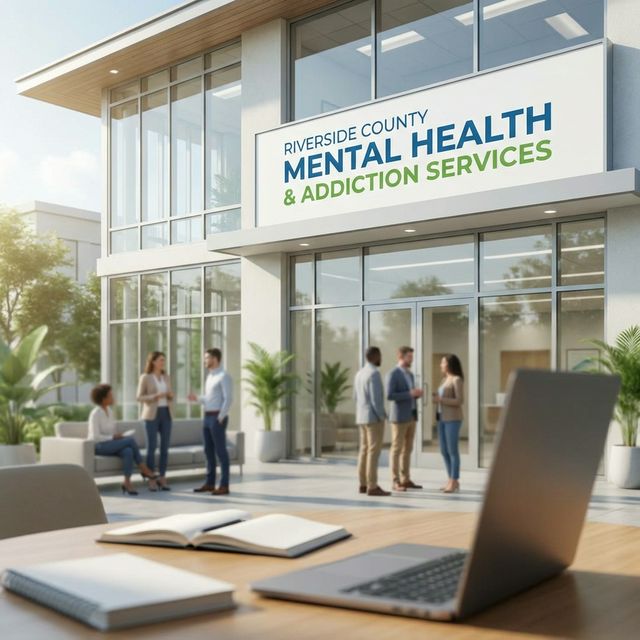
- Riverside University Health System Behavioral Health is the primary public agency for mental health and addiction services in the county.
- The county operates a 24/7 crisis helpline at 951-686-HELP for immediate mental health and substance use assistance.
- Dual diagnosis treatment that addresses co-occurring mental health and substance use conditions is increasingly available through county programs.
- Medi-Cal beneficiaries can access a wide range of behavioral health services at little to no cost.
- Private treatment facilities like Trust SoCal offer specialized dual diagnosis programs that complement county services.
Overview of Riverside County Behavioral Health Services
The Riverside University Health System Department of Behavioral Health serves as the county's primary public behavioral health authority, providing mental health and substance use disorder treatment to residents throughout the county's vast geographic area. The department operates through a network of county-run clinics and contracted community-based providers, offering services that range from outpatient counseling to crisis stabilization and residential treatment.
The county behavioral health system serves a diverse population of more than 2.4 million residents spread across one of California's largest geographic areas. Service delivery is organized into geographic regions, with clinics and service points located in western Riverside, the mid-county area including Hemet and San Jacinto, and the eastern desert communities. This regional structure helps ensure that services are accessible regardless of where residents live within the county.
Funding for county behavioral health services comes from multiple sources including Medi-Cal, the Mental Health Services Act, Substance Abuse and Mental Health Services Administration grants, and county general funds. These combined resources support a system that serves tens of thousands of residents annually, though demand consistently outpaces capacity for certain services.
To access Riverside County behavioral health services, call the helpline at 951-686-HELP (4357). This line operates 24 hours a day, seven days a week, and provides crisis support, screening, and referrals.
Mental Health Services for Adults
Adult mental health services through the county system include individual therapy, group therapy, psychiatric medication management, case management, and rehabilitation services. These programs serve individuals diagnosed with serious mental illnesses such as schizophrenia, bipolar disorder, major depressive disorder, and severe anxiety disorders, as well as those experiencing less severe but still impairing mental health conditions.
The county operates several outpatient clinics in cities including Riverside, Perris, Hemet, and Indio where adults can receive ongoing mental health treatment. Full Service Partnership programs provide intensive, wraparound support for individuals with the most severe mental health conditions, including housing assistance, vocational support, and 24-hour crisis availability.
Crisis Services
The Riverside County crisis system includes a 24-hour telephone helpline, mobile crisis teams that respond to mental health emergencies in the community, and a crisis stabilization unit that provides short-term intensive treatment as an alternative to psychiatric hospitalization. These services are available to all county residents regardless of insurance status.
The crisis stabilization unit, located at the Riverside University Health System Medical Center campus, provides up to 23 hours of crisis intervention including psychiatric assessment, medication evaluation, and safety planning. For individuals whose crisis is related to substance use, the unit coordinates with the county's substance use treatment system to facilitate referrals to detox and treatment programs.
Substance Use Disorder Treatment Through the County System
The county's substance use disorder treatment services operate through the Drug Medi-Cal Organized Delivery System, which provides a comprehensive continuum of care for eligible residents. Services include screening and assessment, withdrawal management, residential treatment, outpatient counseling, narcotic treatment programs, medication-assisted treatment, and recovery support services.
Access to substance use treatment begins with a screening and assessment that determines the appropriate level of care based on the individual's clinical needs, substance use history, and co-occurring conditions. The county helpline can initiate this process and connect callers with providers in their geographic area.
For individuals with private insurance, the county system may not be the most efficient pathway to treatment. PPO insurance holders often find that private treatment facilities offer faster access, more individualized programming, and a wider selection of therapeutic modalities. Trust SoCal in Fountain Valley, a JCAHO-accredited facility serving Riverside County residents, provides comprehensive addiction treatment that accepts most major PPO plans. Call (949) 280-8360 for a complimentary insurance verification.
Dual Diagnosis: When Mental Health and Addiction Intersect
Research consistently shows that approximately half of all individuals with a substance use disorder also experience a co-occurring mental health condition, and vice versa. This overlap, known as dual diagnosis or co-occurring disorders, requires integrated treatment that addresses both conditions simultaneously rather than treating them in isolation.
Riverside County has made significant investments in building dual diagnosis capacity within its behavioral health system. Several county-funded programs now offer integrated treatment tracks that combine mental health therapy with substance use counseling, recognizing that treating one condition while ignoring the other leads to poor outcomes and high relapse rates.
Private treatment facilities often provide more intensive dual diagnosis programming than public systems. Trust SoCal's clinical team includes psychiatrists, licensed therapists, and addiction counselors who collaborate to develop integrated treatment plans that address the complex interplay between mental health conditions and substance use disorders. This coordinated approach is particularly important for conditions like PTSD and addiction, depression and alcoholism, or anxiety and benzodiazepine dependence.
If you or someone you know is experiencing a mental health crisis or thoughts of suicide, call 988 (Suicide and Crisis Lifeline) or the Riverside County crisis line at 951-686-HELP immediately. Help is available 24/7.
Children, Youth, and Family Services
Riverside County provides specialized behavioral health services for children and adolescents through its Children's Services division. These services include outpatient therapy, school-based counseling, family therapy, and intensive case management for youth experiencing mental health challenges, behavioral issues, or early substance use.
The county's youth services are particularly important given that early intervention during adolescence can prevent the development of chronic substance use disorders in adulthood. School-based counseling programs provide accessible support within educational settings, while more intensive services are available through county clinics and contracted providers.
Transition-age youth programs serve individuals aged 16 to 25 who are navigating the challenging transition from adolescent to adult behavioral health systems. These programs provide developmentally appropriate treatment that addresses the unique needs of young adults, including identity development, educational and vocational planning, and building independent living skills alongside mental health and substance use treatment.
When to Consider Private Treatment
County behavioral health services provide an essential safety net for Riverside County residents, but the public system has limitations that may affect the quality and timeliness of care for some individuals. Wait times for certain services, large caseloads that limit the frequency of individual therapy sessions, and geographic gaps in service delivery are common challenges in any public behavioral health system.
Private treatment facilities offer advantages including shorter wait times, lower client-to-therapist ratios, a broader selection of evidence-based therapies, and more comfortable treatment environments. For individuals with PPO insurance or the financial resources to invest in private treatment, facilities like Trust SoCal provide a level of individualized care that can accelerate the recovery process.
The most effective approach for many individuals combines elements of both public and private systems. For example, a person might complete residential treatment at a private facility like Trust SoCal and then step down to county-funded outpatient services and recovery support in their home community. This blended approach maximizes clinical outcomes while managing costs over the long term.
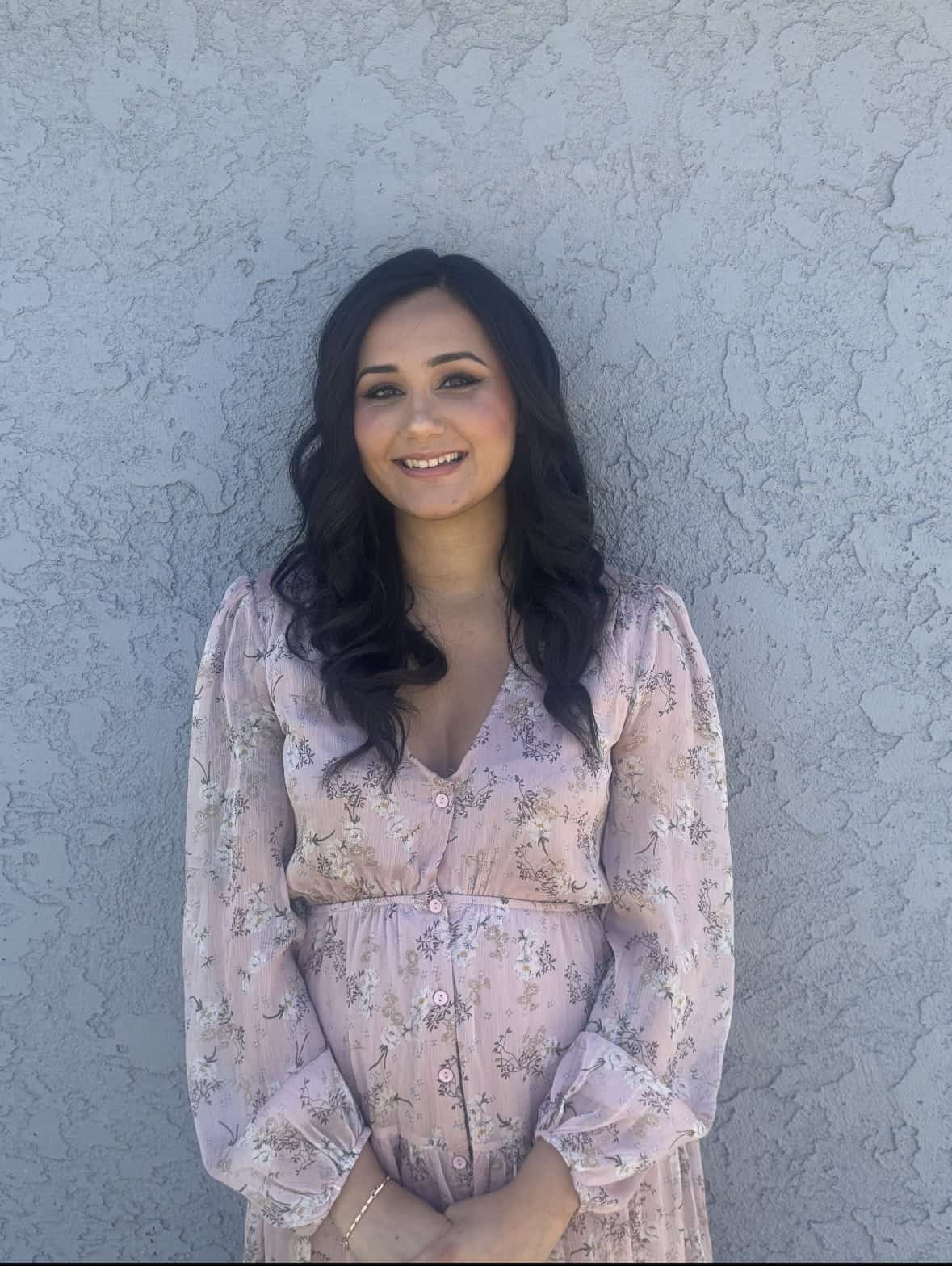
Rachel Handa, Clinical Director
Clinical Director & Therapist