Key Takeaways
- Rural Mountain West communities face a convergence of geographic distance, workforce shortages, cultural stigma, and economic barriers that create one of the most challenging treatment access environments in the United States.
- Many counties across Montana, Wyoming, and Idaho have zero substance use disorder treatment providers, forcing residents to travel hundreds of miles for even basic outpatient services.
- Telehealth has improved access significantly but cannot replace in-person care for medical detoxification and residential treatment, and broadband gaps in the most remote areas limit its reach.
- Cultural values of self-reliance and the lack of anonymity in small communities create powerful stigma barriers that prevent many individuals from seeking treatment locally.
- Out-of-state treatment at facilities like Trust SoCal addresses multiple barriers simultaneously by providing specialized care, privacy, and a therapeutic environment removed from substance use triggers.
- Policy solutions including Medicaid expansion, increased rural reimbursement rates, workforce pipeline programs, and broadband deployment are essential for closing the rural treatment gap.
The Rural Treatment Gap in the Mountain West
The Mountain West region of the United States — encompassing Montana, Wyoming, Idaho, and parts of the Dakotas, Utah, and Colorado — represents one of the most underserved areas for addiction treatment in the nation. These states share common characteristics that create a perfect storm of treatment barriers: vast geographic distances, extremely low population density, limited healthcare infrastructure, workforce shortages, and deeply ingrained cultural values that can discourage help-seeking behavior. While addiction rates in many Mountain West communities equal or exceed national averages, the resources available to address the problem remain dramatically insufficient.
The statistics paint a stark picture. Montana, Wyoming, and Idaho collectively have fewer residential treatment beds per capita than nearly any comparable region in the country. Many counties in these states have no substance use disorder treatment providers whatsoever. A resident of rural Wyoming seeking residential treatment may face a drive of 200 miles or more, crossing mountain passes that are frequently closed during winter months. In Montana, the most isolated communities are farther from treatment facilities than some European countries are from end to end.
The COVID-19 pandemic both exposed and exacerbated these disparities. While urban areas rapidly transitioned to telehealth and virtual treatment modalities, many rural Mountain West communities lacked the broadband infrastructure to participate. Isolation, already a defining feature of rural life, intensified during lockdowns, and substance use increased significantly across the region. Overdose deaths rose sharply in Montana, Wyoming, and Idaho during 2020 and 2021, and while the pandemic-era spike has moderated somewhat, the underlying structural deficiencies in the treatment system remain largely unaddressed.
Individuals using substances in remote Mountain West areas face heightened overdose risk because emergency medical services may be 30 to 60 or more minutes away. If you or someone you know uses opioids, carry naloxone (Narcan) and ensure someone nearby knows how to administer it.
Geographic Barriers: Distance, Weather, and Transportation
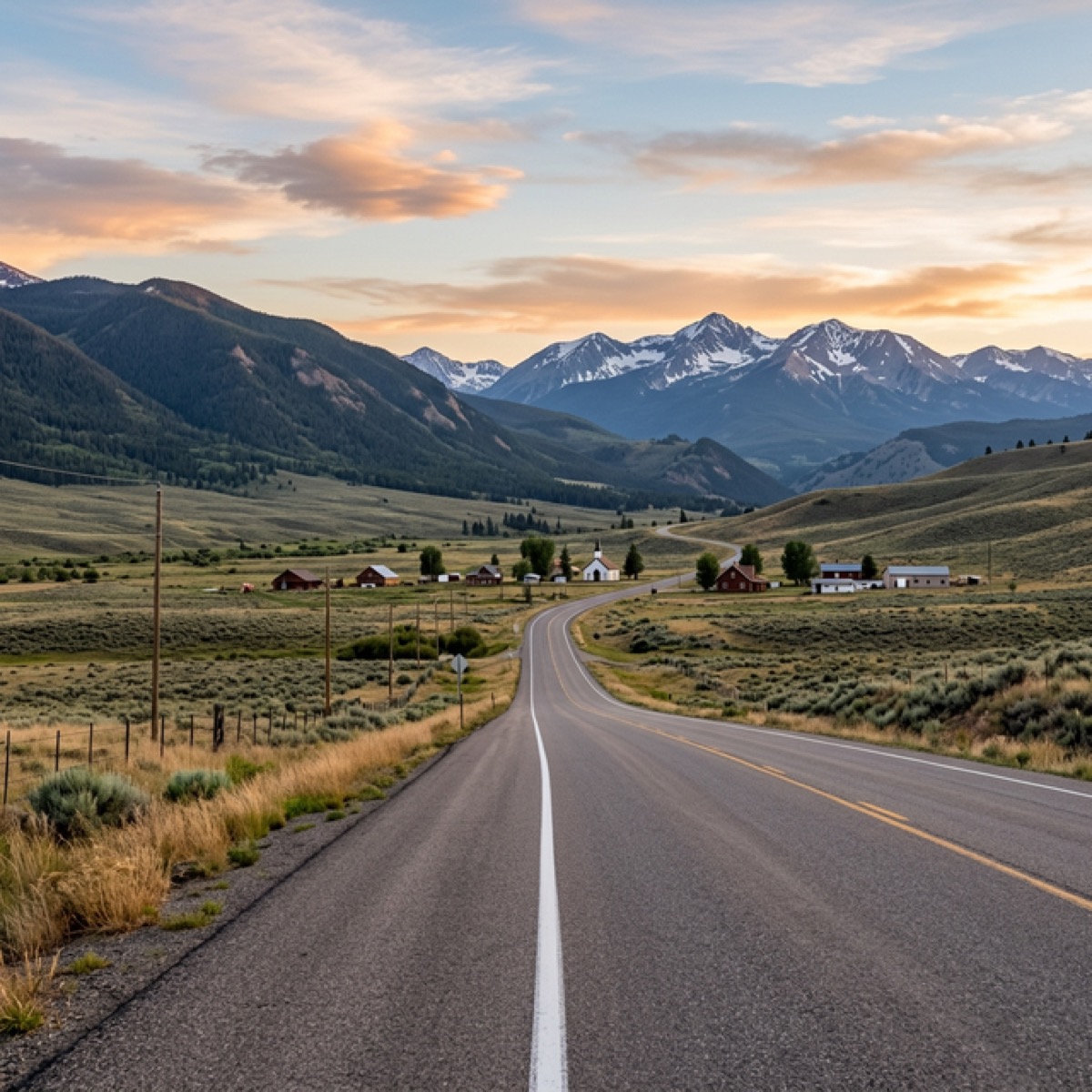
The most obvious and intractable barrier to addiction treatment in the Mountain West is geography itself. Montana alone covers 147,000 square miles — larger than Germany — with a population of barely one million people. Wyoming, at 97,800 square miles, is home to fewer than 580,000 residents. Idaho, while somewhat more densely populated in its southern regions, has vast stretches of mountainous wilderness in its central and northern portions where communities are accessible only by winding two-lane highways. In these states, the phrase "just go to treatment" ignores the reality that treatment may be a full day's drive away.
Winter weather compounds geographic distance in ways that are difficult to appreciate without direct experience. Interstate corridors like I-90 across Montana, I-25 through Wyoming, and I-15 through Idaho are frequently affected by blizzards, ice storms, and whiteout conditions that make travel dangerous or impossible. Mountain passes close without warning, and rural roads may not be plowed for days after a storm. For someone in acute withdrawal or a substance use crisis, the prospect of a dangerous multi-hour winter drive to reach the nearest treatment facility is not merely inconvenient — it can be a matter of life and death.
Transportation Challenges
Transportation barriers in the Mountain West extend beyond distance and weather to encompass systemic issues that disproportionately affect individuals struggling with addiction.
- Limited Public Transit: No rural Mountain West community has a public transportation system adequate for accessing treatment services, and most have no public transit at all, leaving car-less individuals entirely dependent on others for transportation
- Vehicle Reliability: Many individuals struggling with addiction have limited financial resources, and unreliable vehicles that cannot safely make long trips to treatment facilities are a common barrier
- Fuel Costs: At distances of 100 to 300 miles each way, the fuel cost alone for a single treatment appointment can exceed $50 to $100, and regular outpatient visits multiply this into a prohibitive burden
- License and Insurance Issues: DUI convictions and other substance-related legal consequences frequently result in suspended driver's licenses and lapsed vehicle insurance, making the drive to treatment both long and legally risky
- Medical Transport Limitations: Medicaid transportation benefits, while theoretically available, are often impractical in rural areas where contracted drivers may not be available for long-distance behavioral health trips
Workforce Shortages: The Provider Desert
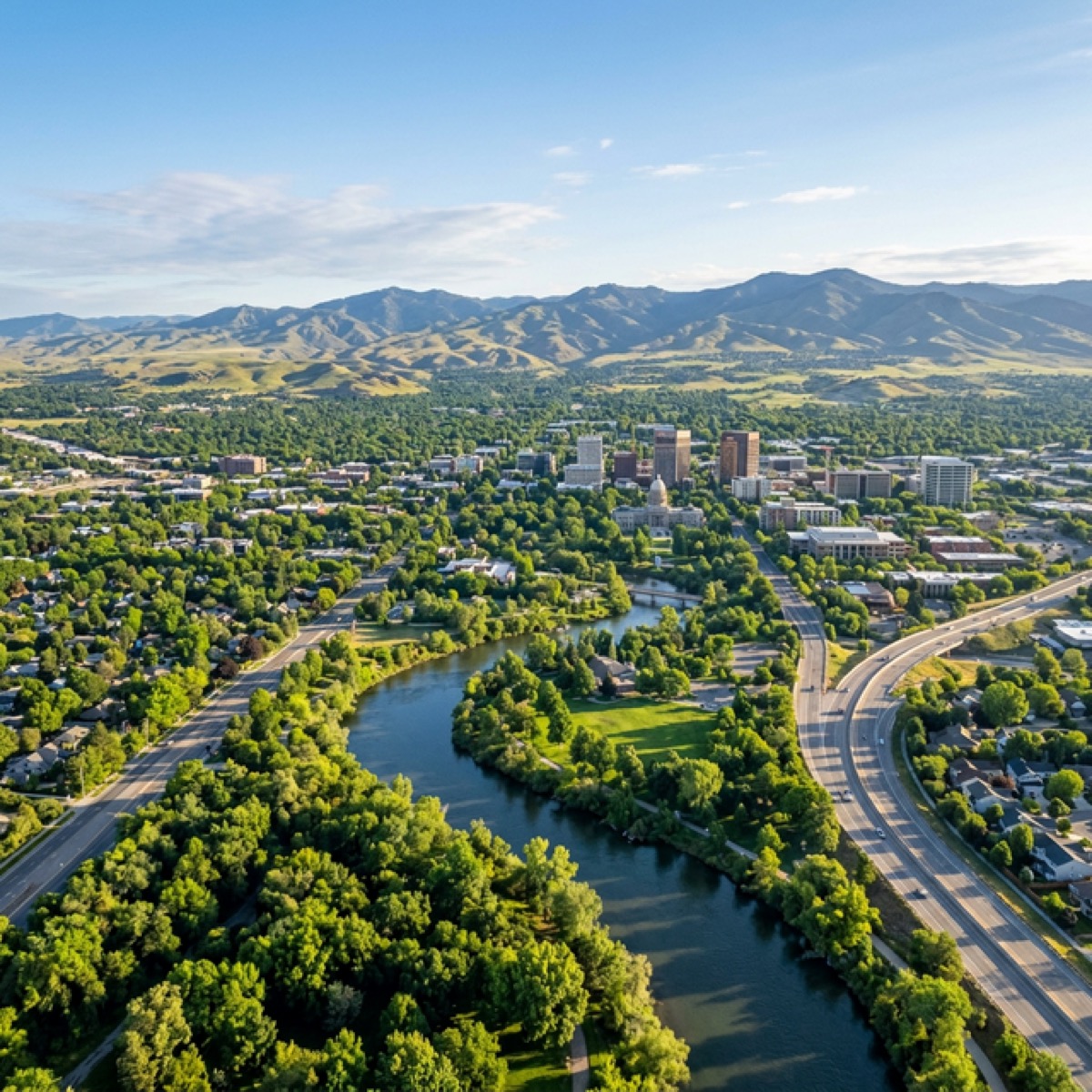
The Mountain West faces a critical shortage of addiction treatment professionals that is arguably more consequential than any other single barrier. The Substance Abuse and Mental Health Services Administration (SAMHSA) designates Health Professional Shortage Areas (HPSAs) for behavioral health, and the vast majority of rural Mountain West counties qualify for this designation. In Wyoming, entire regions lack a single licensed addictions counselor. In Montana, providers are concentrated in Billings and Missoula, with large portions of the state essentially unserved. Idaho's treatment workforce is similarly concentrated in the Boise metropolitan area.
The reasons for these workforce shortages are multifaceted and self-reinforcing. Salaries for substance use disorder counselors in rural areas are typically lower than those in urban settings, while the cost of living has risen dramatically in many Mountain West communities. Young professionals who train in urban academic programs rarely want to relocate to remote communities with limited amenities, professional development opportunities, and social connections. The emotional demands of working in under-resourced settings contribute to high burnout and turnover rates.
The physician shortage has particular implications for medication-assisted treatment, which requires prescribers with specific federal waivers. In many rural Mountain West communities, the nearest MAT provider may be hours away, making regular medication management appointments impractical. This gap is especially harmful given that MAT is the evidence-based standard of care for opioid use disorder and has been shown to reduce mortality by 50% or more.
Cultural Barriers: Stigma, Self-Reliance, and Silence
The culture of the Mountain West, while admirable in many respects, creates unique barriers to addiction treatment that are as formidable as the geographic obstacles. The values of self-reliance, independence, and stoic endurance that enabled settlers to build lives in this unforgiving landscape are deeply embedded in the regional identity. Asking for help — for any reason, but especially for a condition still widely viewed as a moral failing — can feel like a fundamental betrayal of these values. The result is a culture of silence around addiction that prevents individuals from seeking help and communities from investing in treatment infrastructure.
In small communities where everyone knows everyone, the lack of anonymity amplifies stigma to a degree that is difficult for urban residents to comprehend. Entering a treatment facility in a town of 500 people is effectively a public announcement, and the gossip network ensures that the information spreads quickly. For ranchers, farmers, and small business owners, the perceived reputational damage of seeking treatment can outweigh the perceived benefits, leading many to delay help until their situations reach crisis proportions.
Living in a rural community does not mean you are destined to face addiction alone. The same networks of neighbors, churches, and community organizations that sustain rural life through droughts and blizzards can sustain recovery — if we build the connections and break the silence.
Cultural Dynamics That Impede Treatment
Several deeply rooted cultural values in Mountain West communities can unintentionally create barriers to addiction treatment access and engagement.
- Rugged Individualism: The deep-seated belief that problems should be solved independently without outside assistance directly conflicts with the collaborative, professional-guided process of addiction treatment
- Normalization of Heavy Drinking: Alcohol consumption is deeply embedded in the social fabric of many Mountain West communities, from rodeo culture to hunting season, making it difficult to recognize when social drinking has crossed into addiction
- Masculinity Norms: Traditional masculine norms that discourage emotional vulnerability and help-seeking are particularly strong in the ranching, farming, and energy extraction industries that dominate the Mountain West economy
- Distrust of Government and Institutions: A prevalent skepticism toward government programs and institutional authority can make individuals reluctant to engage with publicly funded treatment systems
- Generational Patterns: Families in which heavy substance use has been normalized across generations may lack the framework to recognize addiction as a treatable medical condition rather than a normal way of life
Economic Barriers and Insurance Challenges
The economic landscape of the Mountain West creates additional treatment barriers that intersect with and amplify geographic and cultural challenges. Many rural Mountain West residents work in seasonal or cyclical industries — agriculture, ranching, energy extraction, tourism, and construction — that provide irregular income and may not offer employer-sponsored health insurance. For self-employed ranchers and small business owners, purchasing individual health insurance on the marketplace may be unaffordable, and the decision to spend limited resources on addiction treatment competes directly with the need to keep the ranch running or the business open.
The Medicaid expansion question looms large over Mountain West treatment access. Montana has expanded Medicaid, providing coverage for many low-income adults who would otherwise be uninsured. Idaho approved expansion by ballot initiative in 2018 and has implemented it. Wyoming continues to resist expansion. In states without expansion, the coverage gap traps many working adults between Medicaid eligibility and marketplace subsidy eligibility, leaving them without any affordable insurance option for addiction treatment.
The hidden costs of treatment extend well beyond the direct expense of services. For a rural Montana rancher seeking 30 days of residential treatment, the cost includes not only the treatment itself but also lost income during absence, the expense of hiring someone to manage the ranch, transportation to and from the facility, and potential childcare for dependent children. These opportunity costs can be enormous relative to income and create a powerful disincentive to enter treatment.
The Role of Telehealth: Promise and Limitations
Telehealth has been hailed as the solution to rural treatment access, and in many ways it has delivered meaningful improvements. The expansion of telehealth during the COVID-19 pandemic removed regulatory barriers that had previously limited its use for substance use disorder treatment, including restrictions on prescribing controlled substances via telemedicine. Montana, Wyoming, and Idaho have all taken steps to make pandemic-era telehealth flexibilities permanent, recognizing their critical importance for rural healthcare delivery.
The clinical evidence supporting telehealth for addiction treatment is increasingly robust. Studies have demonstrated that substance use disorder counseling delivered via telehealth produces outcomes comparable to in-person treatment for many populations and conditions. Patient satisfaction with telehealth services is high, and retention rates in telehealth-based treatment programs often exceed those of in-person programs, likely because the reduced travel burden makes it easier for patients to attend appointments consistently.
However, telehealth has significant limitations that prevent it from being a complete solution to the rural treatment gap. The most fundamental limitation is broadband access — reliable, high-speed internet service remains unavailable in many of the most remote Mountain West communities. Beyond connectivity, telehealth cannot provide the level of care needed for medical detoxification or residential treatment. The therapeutic relationship, while possible to develop via telehealth, may not achieve the same depth and trust as one built through in-person contact.
The Substance Abuse and Mental Health Services Administration maintains a national treatment facility locator at findtreatment.gov. While options in rural Mountain West areas are limited, this tool can help identify the nearest available providers and their accepted payment methods.
Out-of-State Treatment as a Strategic Solution
For many Mountain West residents facing the combined barriers of distance, workforce shortages, cultural stigma, and limited local resources, out-of-state treatment offers a strategic solution that addresses multiple challenges simultaneously. Rather than viewing travel to treatment as a last resort, it can be reframed as a proactive choice that leverages the unique advantages of facilities in areas with robust treatment infrastructure. Southern California, with its concentration of specialized treatment centers and experienced clinical staff, has emerged as a leading destination for Mountain West residents seeking comprehensive addiction care.
Trust SoCal, located at 16537 Elm Cir, Fountain Valley, CA 92708, exemplifies the advantages that out-of-state treatment can offer rural Mountain West residents. The facility provides evidence-based treatment modalities including cognitive behavioral therapy, dialectical behavior therapy, EMDR for trauma processing, motivational interviewing, and comprehensive dual-diagnosis treatment for co-occurring mental health disorders. These specialized services would require multiple providers and extensive coordination to access in the Mountain West, if they are available at all.
The geographic separation that might seem like a disadvantage actually provides significant therapeutic benefits for rural Mountain West residents. Leaving the environment where substance use occurred creates a clean psychological break that facilitates deep personal work in early recovery. The anonymity of a distant treatment setting eliminates the privacy concerns that prevent many rural residents from seeking local treatment. For information about treatment at Trust SoCal, call (949) 280-8360.
If the nearest treatment facility is hours away, plan for the journey: arrange reliable transportation, pack for weather conditions, bring necessary medications, and have a backup plan if roads are impassable. Consider whether out-of-state treatment might actually be more accessible than distant in-state options.
Policy Solutions and Advocacy
Addressing the rural treatment gap in the Mountain West requires policy changes at the federal, state, and local levels. The most impactful single policy change would be full Medicaid expansion in every Mountain West state, ensuring that all low-income adults have insurance coverage for addiction treatment. Beyond expansion, Medicaid reimbursement rates for substance use disorder services need to be increased to levels that make it financially viable for providers to practice in rural areas. Loan repayment programs targeted specifically at addiction treatment professionals who commit to rural service could help address workforce shortages.
Investment in broadband infrastructure is essential for the telehealth model to reach its full potential in the Mountain West. The federal infrastructure bill includes significant funding for rural broadband, and Mountain West states must prioritize the most underserved communities in their deployment plans. Regulatory changes that allow greater flexibility in telehealth delivery can all expand the reach of virtual treatment services.
Actionable Policy Recommendations
Multiple policy interventions at federal, state, and local levels could meaningfully improve addiction treatment access in the rural Mountain West.
- Expand Medicaid in Wyoming: Close the coverage gap that leaves thousands of working adults without insurance for addiction treatment, following the successful models of Montana and Idaho
- Increase Rural Reimbursement Rates: Implement geographic payment differentials that compensate providers at higher rates for serving rural populations, reflecting the higher costs of rural practice
- Fund Workforce Pipeline Programs: Invest in scholarship and loan repayment programs that incentivize substance use disorder counselors and addiction medicine physicians to practice in rural Mountain West communities
- Accelerate Broadband Deployment: Prioritize the most underserved communities in federally funded broadband expansion efforts, recognizing that connectivity is a prerequisite for telehealth-based treatment access
- Support Recovery Housing: Provide funding for sober living and recovery housing development in rural communities where these resources are currently absent
The Path Forward: Hope and Action
The challenges facing addiction treatment in the rural Mountain West are formidable, but they are not insurmountable. Across the region, communities, providers, and policymakers are developing innovative solutions that work within the constraints of geography, workforce, and culture. Peer support models that leverage the strengths of small-community connections are expanding. Telehealth technology is improving and becoming more accessible. Treatment facilities in other states, including Trust SoCal in California, are developing programs specifically designed to serve clients from rural and underserved areas.
For individuals struggling with addiction in the Mountain West, the message is clear: your location does not determine your destiny, and the barriers you face — while real and significant — can be overcome. The first step is always the hardest, but once taken, the momentum of recovery begins to build. Whether you find your path through a local community counselor, a telehealth program, a peer support specialist, or a comprehensive out-of-state facility, the resources exist to support your journey. Call Trust SoCal at (949) 280-8360 to explore your options, or contact your state's behavioral health division for local referrals.
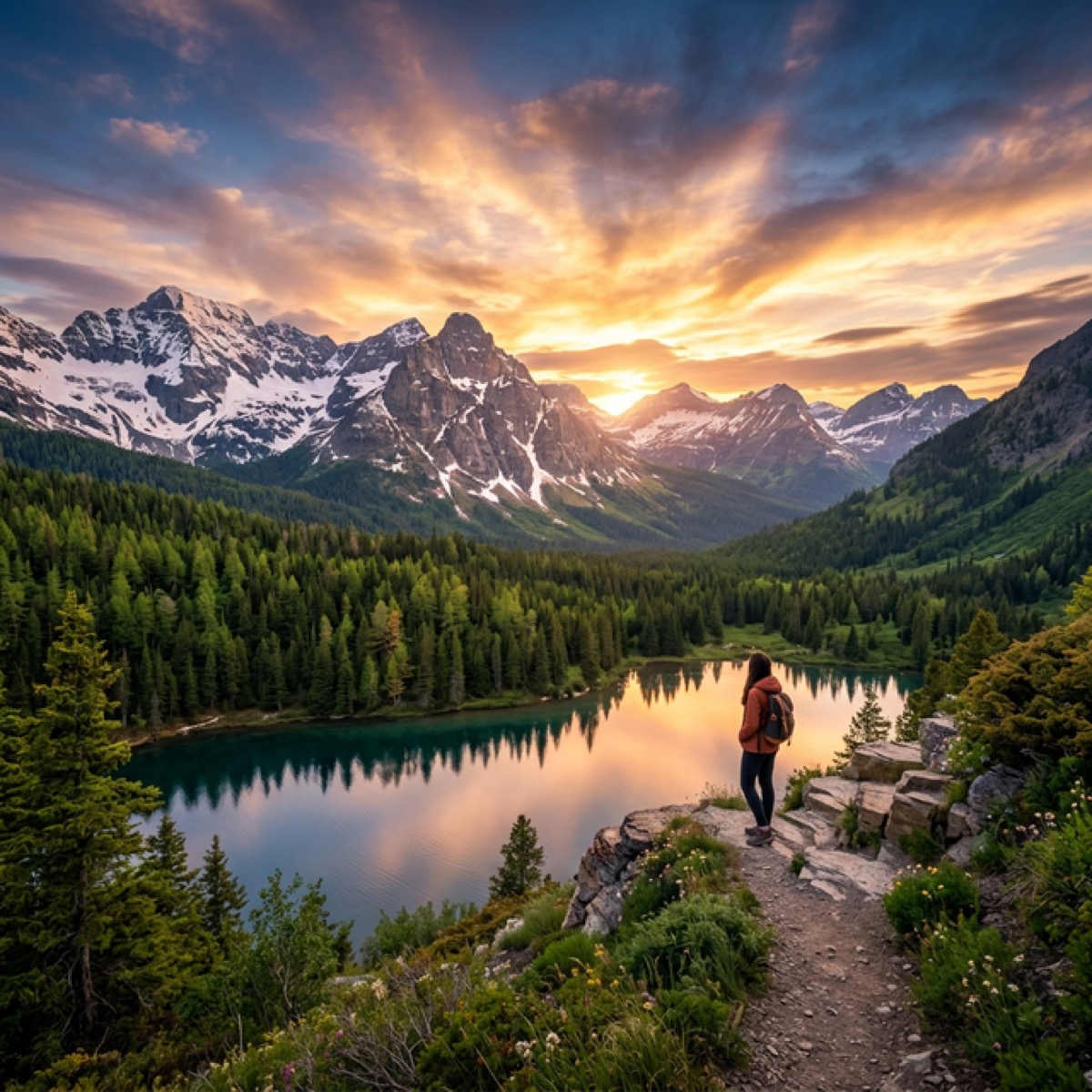
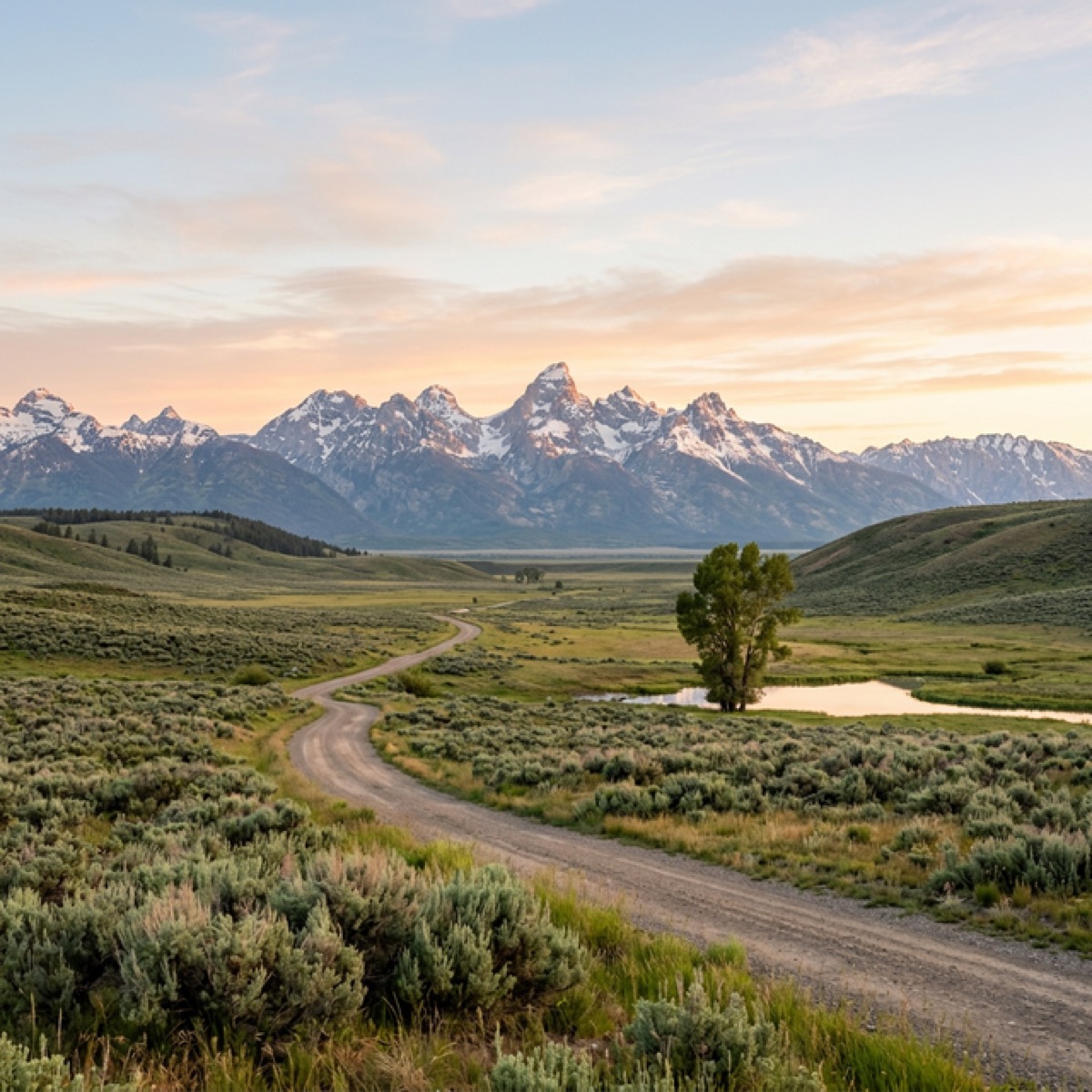
The Mountain West's majestic landscapes — from Glacier National Park's towering peaks to the vast Wyoming plains to Idaho's pristine rivers — remind us that nature finds a way through even the most challenging terrain. Water carves through rock, wildflowers push through frozen ground, and life persists in the most unlikely places. Recovery follows the same pattern: it finds its way through the barriers, one persistent step at a time.

Trust SoCal Editorial Team, Clinical Review Board
Editorial & Clinical Review