
Key Takeaways
- Sober living residents who stay at least 90 days have significantly better long-term recovery outcomes.
- Quality sober living homes provide structure through house rules, drug testing, curfews, and mandatory meeting attendance.
- Sober living allows residents to work, attend school, and rebuild their lives while maintaining a recovery-focused environment.
- Choosing a sober living home near your outpatient treatment provider ensures continuity of care.
- The community aspect of sober living provides peer accountability that is difficult to replicate in independent living.
What Is Sober Living?
Sober living homes, also known as recovery residences or halfway houses, are communal living environments for individuals in early recovery from substance use disorders. Unlike residential treatment facilities, sober living homes do not provide on-site clinical programming. Instead, they offer a structured, substance-free living environment where residents can practice the skills they learned in treatment while gradually reintegrating into daily life. Most residents attend outpatient treatment, work or attend school, and participate in recovery community activities.
The concept of sober living has evolved significantly over the past two decades. Modern sober living homes range from basic shared houses with minimal structure to highly organized, multi-level programs with house managers, structured schedules, life skills training, and clinical partnerships. The National Alliance for Recovery Residences has established standards that categorize recovery residences into four levels based on the degree of structure and support provided.
Trust SoCal in Orange County recommends sober living as part of the aftercare plan for many clients, particularly those who lack a stable, substance-free home environment, have histories of chronic relapse, or need additional time to develop the life skills necessary for independent living. The treatment team can recommend reputable sober living homes in Fountain Valley and throughout Orange County that align with each client's recovery needs and budget.
What to Expect in a Sober Living Home
Daily life in a sober living home revolves around structure, accountability, and community. Most homes have house rules that include maintaining sobriety, submitting to random drug and alcohol testing, attending a minimum number of recovery meetings per week, performing household chores, observing curfew, and treating other residents with respect. Violations of house rules may result in warnings, additional responsibilities, or in serious cases, discharge from the home.
Residents typically share a room with one or two other people, though some homes offer private rooms at a higher cost. Common areas include a kitchen, living room, and outdoor space. Meals are usually the residents' responsibility, though some homes provide communal cooking and meal planning as part of the community-building process. The atmosphere should feel like a supportive household rather than an institution.
Most sober living homes require residents to be engaged in productive activity during the day, whether that means attending outpatient treatment, working, volunteering, or going to school. This requirement prevents the idle time that can lead to boredom and cravings, and it helps residents begin rebuilding the life skills and daily routines that will sustain them in independent living.
The average stay in a sober living home is three to twelve months, though there is no fixed timeline. The appropriate duration depends on your stability, support system, and readiness for independent living as assessed by your treatment team and house manager.
How to Choose the Right Sober Living Home
Not all sober living homes are created equal, and choosing the right one can significantly impact your recovery. Start by looking for homes that are certified by the state or affiliated with organizations like the National Alliance for Recovery Residences or the Sober Living Network. These affiliations indicate that the home meets established standards for safety, quality, and ethical operation.
Visit the home in person before committing if possible. Pay attention to the cleanliness and maintenance of the property, the demeanor and professionalism of the house manager, the attitudes of current residents, and the overall atmosphere. Ask about the house rules, drug testing policies, consequences for violations, and the process for resolving conflicts. A well-run home will have clear, written policies that are consistently enforced.
Location is another important consideration. Choosing a sober living home near your outpatient treatment provider, your workplace, and recovery meeting locations reduces transportation barriers and supports consistency in your recovery routine. Trust SoCal can recommend vetted sober living homes in Orange County that are conveniently located relative to the Fountain Valley treatment facility.
- Verify state certification or NARR affiliation
- Visit the home and meet the house manager before committing
- Ask about drug testing frequency and consequences for violations
- Inquire about the average length of stay among residents
- Check the location relative to treatment, work, and recovery meetings
- Ask about costs, what is included, and the payment schedule
- Understand the discharge policy and what constitutes a violation
The Benefits of Sober Living for Long-Term Recovery
Research consistently shows that sober living participation after treatment improves long-term recovery outcomes. A study published in the Journal of Substance Abuse Treatment followed individuals for two years after treatment and found that those who lived in sober living homes had significantly lower rates of substance use, higher employment rates, and fewer arrests compared to those who returned to independent living immediately after treatment.
The primary mechanism behind these improved outcomes is the combination of accountability, peer support, and structured environment that sober living provides. Daily accountability through drug testing and house rules creates external structure during the period when internal motivation may be unreliable. Peer support from housemates who share the recovery journey provides encouragement and reduces isolation. The structured environment eliminates many of the triggers associated with the former living situation.
Perhaps the most valuable aspect of sober living is the opportunity to practice recovery skills in a real-world setting with a safety net. Residents navigate the challenges of employment, relationships, finances, and daily responsibilities while still having the support of a recovery-focused community. When difficulties arise, as they inevitably do, housemates and the house manager provide immediate support and accountability.
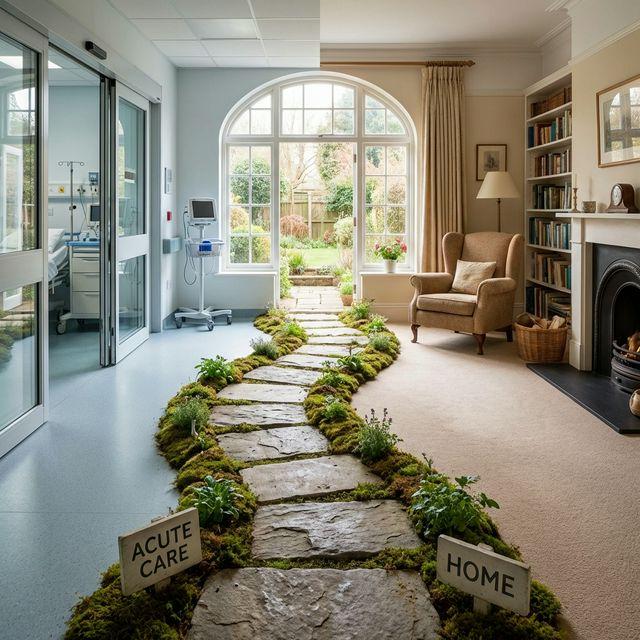
Transitioning from Sober Living to Independent Living
The transition from sober living to independent living should be planned and gradual rather than abrupt. Signs that you may be ready to move on include stable employment or a reliable income source, at least six months of continuous sobriety, a strong support network outside the sober living home, consistent engagement in outpatient therapy or support groups, and the ability to manage daily responsibilities independently.
Before leaving sober living, work with your treatment team to update your aftercare plan. Identify how you will maintain the accountability and support structures that sober living provided. This might include continuing outpatient therapy, attending regular recovery meetings, maintaining contact with sober living alumni, and developing a relapse prevention plan specific to your new living situation.
Many sober living graduates continue to be involved in the recovery community by sponsoring newcomers, attending alumni events, or even becoming house managers themselves. This ongoing connection to the recovery community provides a sense of purpose and belonging that sustains long-term sobriety. Trust SoCal's alumni program offers continued support and community for graduates of both the treatment program and partner sober living homes.
Consider maintaining a connection with at least one housemate from sober living after you move out. Having someone who understands your journey and can provide honest feedback is invaluable during the transition to independent living.

Kristin Stevens, LCSW
Licensed Clinical Social Worker