Key Takeaways
- South Los Angeles including Compton, Inglewood, Watts, and Long Beach experiences high rates of addiction driven by poverty, gang violence, trauma, and limited economic opportunity.
- Treatment access in South LA is limited despite high need, creating barriers for residents seeking help.
- Gang violence and neighborhood safety create additional challenges for treatment engagement and recovery in South LA communities.
- Community-based and public treatment programs provide more accessible options than private facilities for South LA residents.
- Trauma-informed treatment addressing community violence and loss is essential for South LA residents.
Understanding Addiction in South Los Angeles
South Los Angeles, encompassing communities including Compton, Inglewood, Watts, South Gate, Long Beach, and surrounding areas, experiences one of the most severe addiction crises in California. High rates of substance use and addiction are driven by complex factors including poverty, systemic disinvestment, gang violence, trauma, and limited economic opportunity.
The region's demographic composition includes primarily African American and Latino residents experiencing the compounded effects of historical and ongoing racism, economic marginalization, and systemic inequities. These conditions create stress and trauma that fuels substance use.
Gang violence permeates South LA neighborhoods, creating ongoing trauma, loss, and fear. Residents experience repeated exposure to violence, loss of friends and family members to gun violence, and the psychological impact of living in dangerous communities. Substance use is often a coping mechanism for this trauma.
South LA residents deserve compassionate, trauma-informed treatment that addresses the specific challenges of the region. Trust SoCal serves South LA and surrounding residents with understanding of neighborhood trauma and systemic challenges. Call (949) 280-8360 for information about treatment for South LA communities.
Drivers of Addiction in South Los Angeles
Addiction in South LA is rooted in complex social, economic, and historical factors that go far beyond individual choice or moral failing. Understanding these factors is essential for designing effective treatment and supporting community recovery.
Poverty and Economic Marginalization
South LA communities experience poverty rates significantly higher than county and state averages. Limited employment opportunities, low-wage work without benefits, and barriers to economic advancement create chronic financial stress that contributes to substance use.
Economic desperation drives some individuals into drug dealing or street-level drug use as survival mechanisms. Young people without legitimate economic pathways may see drug sales as the only available income source. These circumstances create high risk for both addiction and incarceration.
- Poverty rates two to three times higher than county average
- Limited legitimate employment opportunities
- Low-wage work without benefits or advancement potential
- Economic desperation driving substance use and dealing
- Intergenerational poverty and limited social mobility
Gang Violence and Community Trauma
Gang violence in South LA creates pervasive trauma. Residents live with constant fear of violence, experience repeated losses of friends and family members to gun violence, and develop trauma symptoms including hypervigilance, depression, and anxiety. Many individuals self-medicate trauma symptoms with substances.
Young people in South LA neighborhoods may join gangs for protection, income, or social belonging. Once involved, gang membership creates additional substance use exposure and trauma. Breaking gang involvement while maintaining recovery is exceptionally challenging.
- High rates of gun violence and homicide
- Repeated exposure to violence and loss
- Gang involvement and associated drug use
- Complex trauma from neighborhood violence
- Limited safe spaces for recovery and healing
Historical and Ongoing Racism and Marginalization
South LA communities are predominantly African American and Latino, populations that have experienced historical racism, redlining, police brutality, mass incarceration, and systemic marginalization. This history creates a context in which substance use, mental health crisis, and institutional distrust are rational responses to oppression.
Ongoing discrimination in employment, housing, criminal justice, and healthcare perpetuates inequality and contributes to the conditions that fuel addiction. Addressing addiction requires addressing these systemic issues.
Limited Healthcare and Social Services
South LA communities have been systematically disinvested in, resulting in limited healthcare infrastructure, mental health services, and social support. Compared to affluent areas, South LA has fewer medical facilities, longer wait times, and less access to quality healthcare including substance use treatment.
The closure of many community hospitals and clinics in South LA over the past decades has left many residents without nearby healthcare options. Those seeking treatment often face long wait times and limited choice of programs.
Barriers to Treatment in South Los Angeles
South LA residents face specific barriers to treatment that go beyond general barriers to addiction care. Limited treatment capacity relative to need, transportation challenges, cost concerns, and limited time off work all complicate treatment access. Additionally, historical trauma and distrust of institutions create reluctance to engage with treatment systems.
Many South LA residents have experienced negative interactions with law enforcement and the criminal justice system. This history creates justified distrust and concern that treatment involvement might trigger legal consequences.
Limited Treatment Availability
Despite the high addiction rates in South LA, the region has limited treatment capacity. Waiting lists are often long, and available programs may have restrictive requirements that exclude individuals with active addiction, unstable housing, or legal involvement.
Private treatment programs are largely inaccessible to low-income South LA residents without insurance. While public programs exist, they are often underfunded and overwhelmed with demand.
- Limited number of treatment programs relative to addiction rates
- Long waiting lists at available programs
- Private programs generally inaccessible to uninsured residents
- Underfunded public programs with limited capacity
- Limited specialized programs for South LA-specific needs
Transportation and Logistical Barriers
Treatment programs may be difficult to reach due to transportation challenges, long travel times, and cost. South LA residents often work multiple jobs with limited flexibility, making consistent treatment attendance difficult.
Lack of reliable childcare means parents struggle to attend treatment. Treatment that accommodates family needs is essential but rarely available.
Community-Based and Public Treatment in South LA
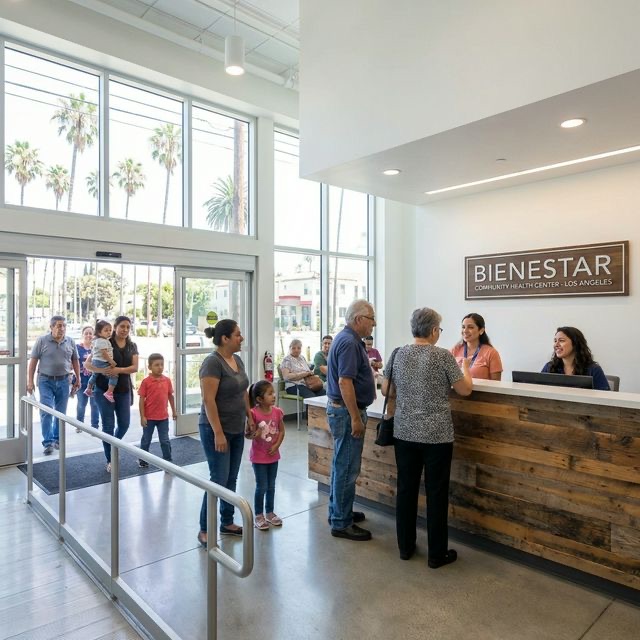
The most accessible treatment for South LA residents comes through community health centers, publicly funded programs, and community-based organizations. These programs understand the specific challenges of South LA and design services accordingly.
County-run treatment programs, health department clinics, and nonprofit organizations provide accessible treatment. These programs often employ staff from the communities they serve, improving cultural competency and trust.
Publicly Funded Treatment Programs
Los Angeles County Department of Mental Health and Los Angeles Department of Public Health operate treatment programs throughout South LA. These programs are available to residents regardless of insurance status, with costs on a sliding scale based on income.
County programs include detoxification, residential treatment for low-income residents, and intensive outpatient programs. While often underfunded relative to demand, these programs provide essential services to South LA residents.
- LA County DMH substance use treatment
- LA Department of Public Health programs
- Sliding scale fees based on income
- Available regardless of insurance or documentation status
- Community-based locations throughout South LA
Community Organizations and Nonprofits
Community-based organizations throughout South LA provide treatment, support, and advocacy. These organizations often have strong community roots, employ people from the neighborhoods they serve, and design programs responsive to community needs.
Organizations focusing on gang intervention, youth services, and reentry from incarceration often provide integrated substance use treatment as part of comprehensive services. These organizations understand that addressing addiction requires addressing gang involvement, legal consequences, and community trauma.
Trauma-Informed and Gang-Aware Treatment for South LA
Effective treatment for South LA residents must be trauma-informed, addressing the community violence, loss, and intergenerational trauma that permeates the region. Treatment must also be gang-aware, helping individuals who are gang-involved or gang-affected navigate recovery while managing gang-related safety concerns.
Peer-led approaches and recovery community involvement are particularly important for South LA residents. Seeing others from the community in successful recovery provides hope and demonstrates that change is possible despite systemic barriers.
Long-Term Recovery Support and Advocacy
Recovery from addiction is exceptionally challenging in South LA due to ongoing poverty, neighborhood trauma, and limited economic opportunity. Long-term recovery requires not only individual treatment but also systemic changes that address the conditions fueling addiction.
Advocacy for community investment, healthcare access, gang violence prevention, economic opportunity, and police reform is essential to addressing South LA's addiction crisis at a systemic level. Treatment centers like Trust SoCal support recovery while also advocating for systemic changes that address the root causes of addiction.

Trust SoCal Editorial Team, Clinical Review Board
Editorial & Clinical Review