Key Takeaways
- Spirituality in recovery is about connection, meaning, and purpose rather than religious doctrine or belief in a deity.
- Secular spiritual practices such as meditation, nature immersion, and service work activate the same neurological pathways as religious experience.
- Finding personal meaning and a sense of something larger than oneself is a strong predictor of sustained sobriety.
- Many evidence-based recovery programs now offer secular spiritual frameworks alongside traditional approaches.
- Developing a personalized spiritual practice increases resilience against relapse triggers.
Redefining Spirituality for Modern Recovery
The word spirituality carries baggage for many people entering addiction treatment. It can evoke childhood religious trauma, institutional rigidity, or beliefs that feel intellectually dishonest. Yet virtually every evidence-based recovery framework identifies spiritual growth as a core component of lasting sobriety.
The disconnect is often semantic rather than substantive. When clinicians talk about spirituality in recovery, they typically mean the cultivation of connection, purpose, awe, gratitude, and transcendence. None of these experiences require belief in God or participation in organized religion.
At Trust SoCal in Fountain Valley, we approach spirituality with inclusive language and diverse practices. Our clients include devout believers, committed atheists, and everyone in between. What matters is not what you believe but whether you are cultivating a sense of meaning and connection that makes sobriety feel worthwhile.
The Neuroscience of Spiritual Experience
Neuroscience research has identified specific brain regions and neurochemical processes associated with spiritual experience. The default mode network, prefrontal cortex, and temporal lobes all play roles in experiences of awe, transcendence, and connection. These same regions are affected by addiction and targeted in recovery.
Meditation, nature immersion, music, and acts of service all activate neural pathways associated with spiritual experience. Brain imaging studies show that these activities increase activity in regions linked to empathy, self-awareness, and emotional regulation while reducing activity in regions linked to self-referential rumination.
This means that spiritual benefits are accessible through practice rather than belief. You do not need to hold any particular theological position to experience the neurological and psychological benefits of spiritual practice.
A study from Columbia University found that individuals who described themselves as highly spiritual, regardless of religious affiliation, had thicker cortical tissue in brain regions associated with depression resistance. Spiritual practice appears to physically reshape the brain in protective ways.
Secular Spiritual Practices for Recovery
Building a secular spiritual practice means assembling a personalized toolkit of activities that cultivate connection, presence, and meaning. There is no one-size-fits-all approach, and experimentation is encouraged.
The following practices have strong evidence bases and are readily accessible to people in all stages of recovery.
Mindfulness and Meditation
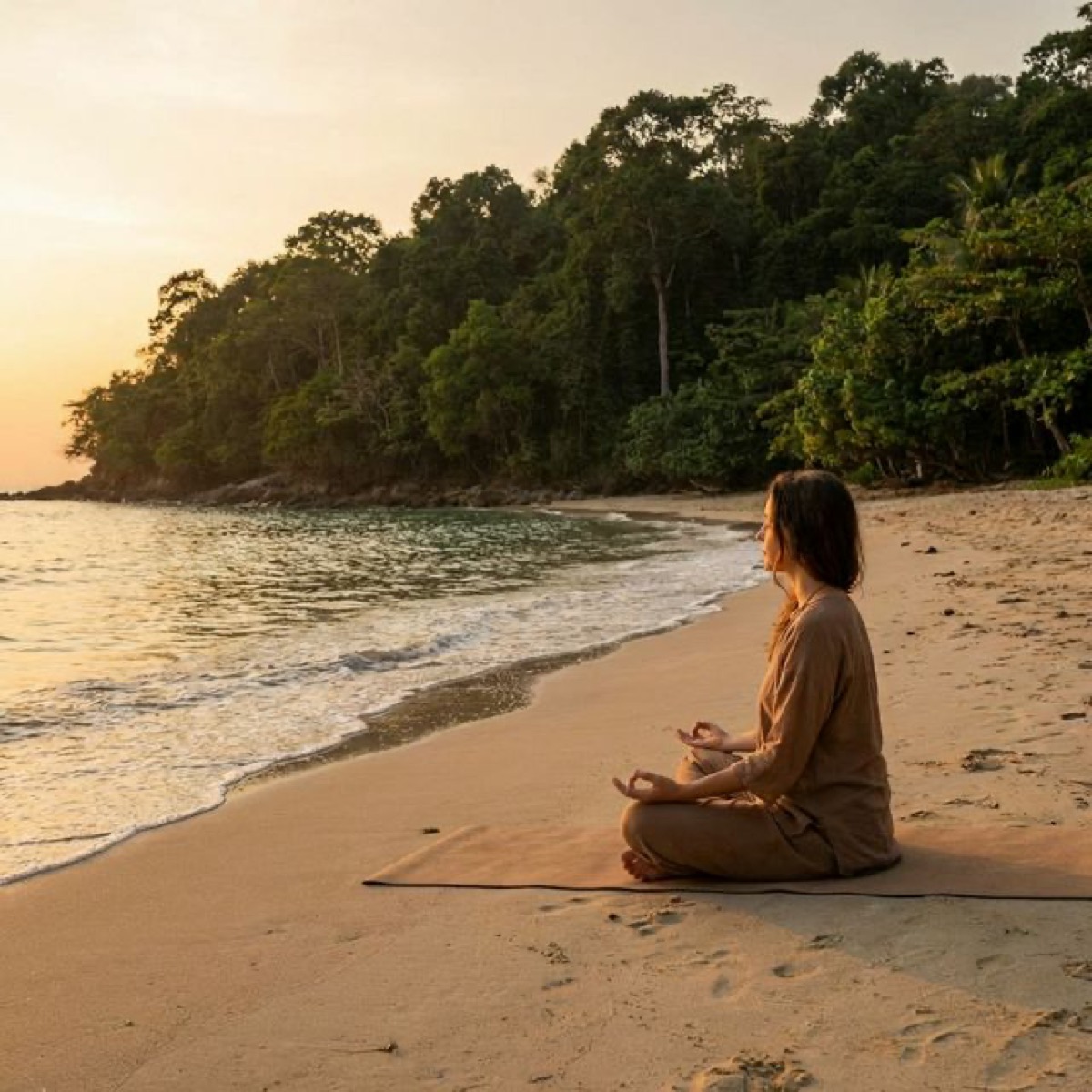
Mindfulness meditation trains the capacity to observe thoughts and emotions without attachment or reactivity. This skill is foundational to both spiritual growth and relapse prevention. Regular meditation practice literally changes brain structure, increasing gray matter in regions associated with self-awareness and emotional regulation.
Secular meditation does not require any spiritual framework. It is simply the practice of paying attention, on purpose, in the present moment. Apps, community groups, and treatment program offerings make meditation accessible to beginners.
Awe and Nature Connection
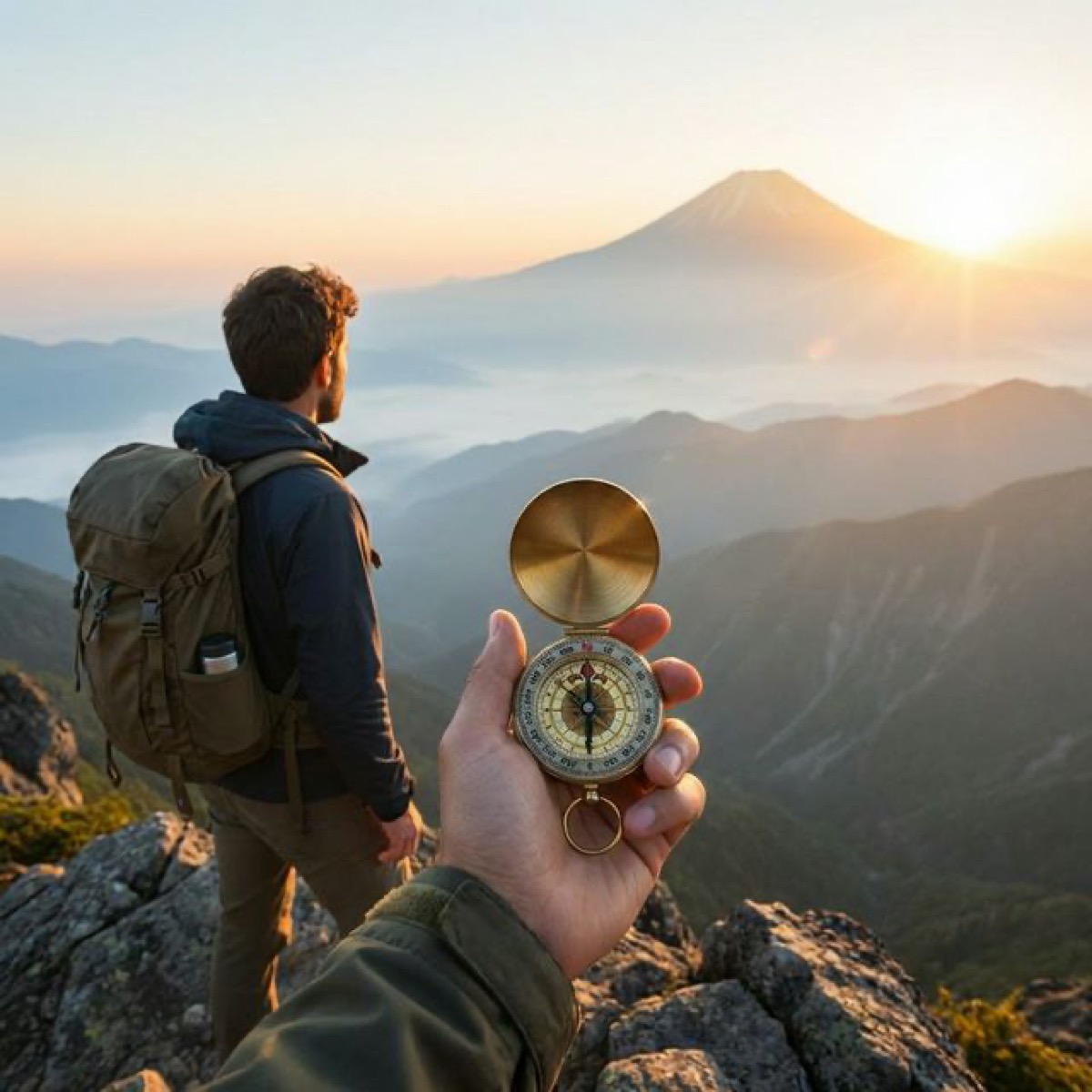
Experiences of awe, whether triggered by a mountain vista, ocean waves, a starry sky, or great music, shift perspective away from self-focused concerns. Research from the University of California, Berkeley shows that awe reduces inflammatory cytokines, promotes prosocial behavior, and increases life satisfaction.
Regularly seeking awe experiences is a form of spiritual practice that requires no belief system. Southern California's natural beauty provides abundant opportunities for awe, from coastal sunsets to mountain panoramas.
Service to Others
Helping others is one of the most consistently effective spiritual practices in recovery. Service shifts attention away from personal suffering, creates meaningful connection, and provides evidence that you have something valuable to offer the world.
Service does not need to be grand or organized. Holding a door, listening to someone who is struggling, mentoring a newcomer, or volunteering at a local organization all cultivate the selflessness and connection that characterize spiritual growth.
Navigating Twelve-Step Programs Without Religious Belief
Many people in recovery avoid twelve-step programs because of the perceived religious content, particularly references to God and a Higher Power. While some meetings do skew religious, the twelve-step framework is more flexible than many newcomers realize.
The concept of a Higher Power can be interpreted as anything greater than your individual ego: the recovery community, the laws of nature, the collective wisdom of human experience, or simply the acknowledgment that you cannot control everything. Many agnostic and atheist members thrive in twelve-step programs by personalizing this concept.
Secular alternatives to traditional twelve-step programs also exist, including SMART Recovery, Refuge Recovery, and LifeRing Secular Recovery. These programs offer structured recovery support without spiritual or religious language. Orange County has active chapters of several secular recovery organizations.
If traditional twelve-step language feels uncomfortable, try attending a variety of meetings. Groups vary significantly in their religious tone. You may also explore secular recovery alternatives available throughout Orange County. Call Trust SoCal at (949) 280-8360 for help finding the right support community.
Building Your Personal Spiritual Practice
A personal spiritual practice is any regular activity that connects you to something meaningful beyond your immediate concerns. It should feel authentic to you and sustainable over time. The goal is not to replicate someone else's spiritual path but to discover your own.
Start by reflecting on moments in your life when you felt most alive, most connected, or most at peace. These peak experiences offer clues about what spiritual practice might resonate for you. If those moments happened in nature, build outdoor time into your routine. If they involved music, make music a daily practice. If they occurred while helping others, seek regular service opportunities.
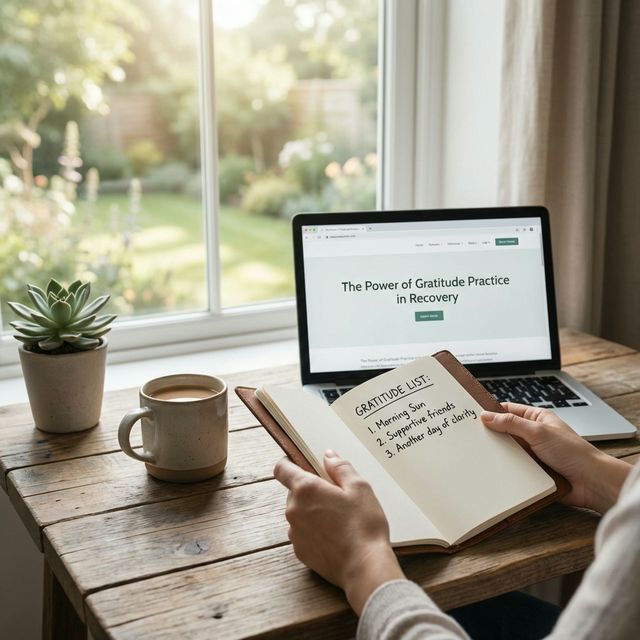
Document your spiritual exploration in a journal. Note which practices leave you feeling more connected, grounded, and purposeful. Over months, patterns will emerge that reveal your unique spiritual profile, a guide for sustained practice that supports lifelong recovery.

Kristin Stevens, LCSW
Licensed Clinical Social Worker