Key Takeaways
- St. George has developed addiction treatment services serving southern Utah population
- Dixie State University presence creates college-focused treatment needs
- Rural location and conservative values shape treatment approaches
- Desert community offers outdoor recovery activities and lifestyle changes
- Residential treatment provides intensive care for complex cases
Addiction Treatment Services in St. George, Utah
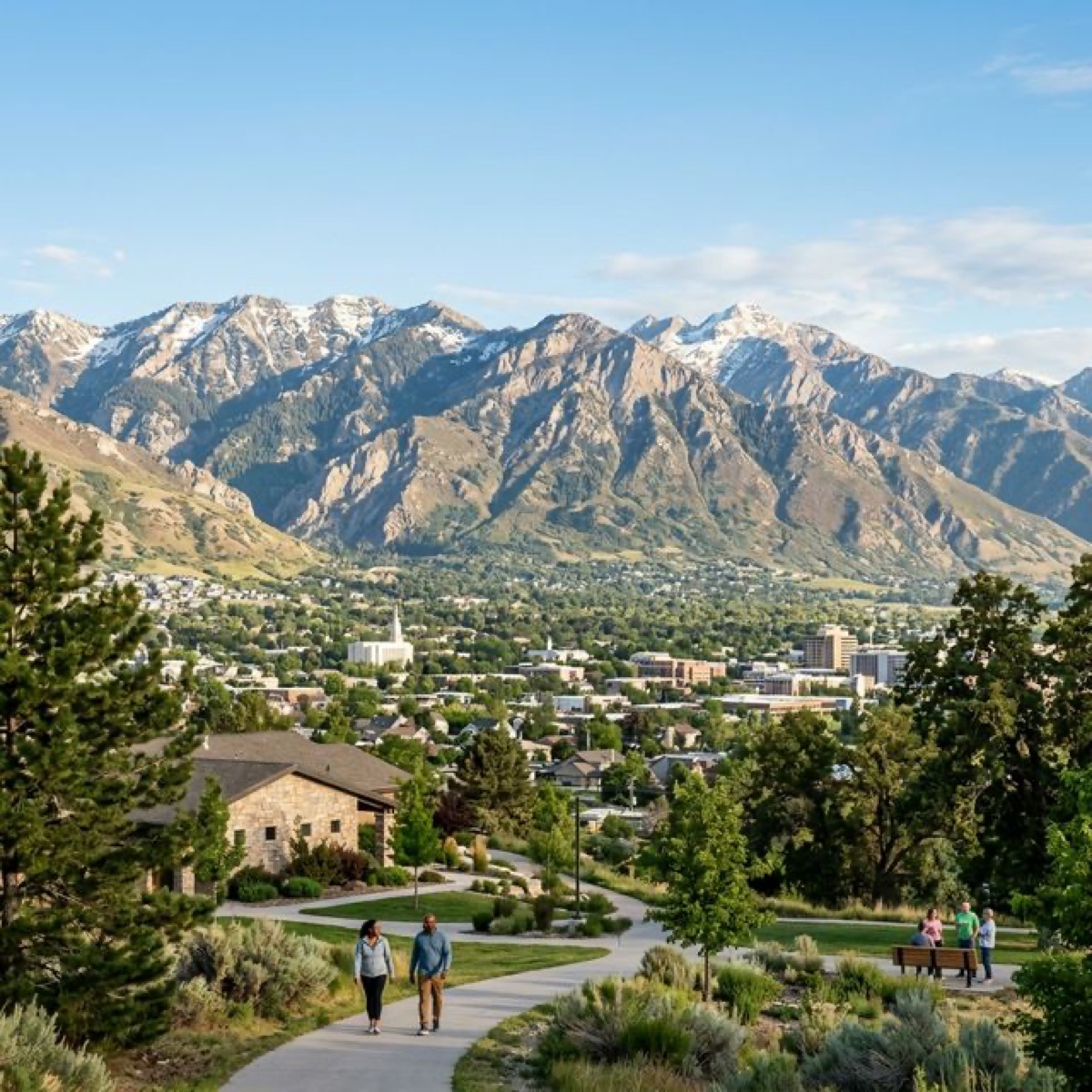
St. George, southern Utah's largest city with over 90,000 residents, serves as a regional hub for Washington County and surrounding areas. The city has developed comprehensive addiction treatment infrastructure including hospital-based services, community mental health providers, and peer recovery networks. Growing population and retiree communities create diverse treatment needs.
St. George's strong family values and faith-centered community provide foundation for recovery. However, individuals requiring intensive treatment or specialized dual-diagnosis care may benefit from residential programs. Trust SoCal in Orange County provides specialized comprehensive care for St. George residents needing step-away treatment.
Contact (949) 280-8360 to explore addiction treatment options in St. George or discuss whether specialized residential care is appropriate.
St. George Treatment Landscape
Multiple providers serve St. George and Washington County residents with diverse treatment needs.
- Dixie Regional Medical Center behavioral health
- St. George behavioral health clinics
- Private practice therapists and counselors
- Peer support networks throughout southern Utah
Medical and Psychiatric Services at Dixie Regional Medical Center
Dixie Regional Medical Center provides the primary hospital-based services for St. George and southern Utah. Medical detoxification units supervise withdrawal from alcohol, benzodiazepines, and opioids. Psychiatric hospitalization addresses acute suicidality and mental health crises. The hospital coordinates care between medical, psychiatric, and addiction specialty services.
Hospital-based services typically transition to outpatient or residential treatment following stabilization. Dixie Regional works with community providers ensuring smooth care continuity.
Alcohol and benzodiazepine withdrawal can be medically dangerous. Always seek supervision at Dixie Regional or emergency services during withdrawal.
Hospital-Based Care
Dixie Regional provides medical stabilization and psychiatric services for acute crises.
- Medical detoxification with supervision
- Psychiatric hospitalization and crisis care
- Psychiatric assessment and treatment planning
- Discharge planning and community referrals
- Medical monitoring and medication management
Outpatient Counseling and Community Services
St. George outpatient providers offer individual counseling, group therapy, family services, and case management. Washington County Health Services provides community mental health and addiction services with sliding-scale options for residents. Private practice therapists also serve St. George with flexible scheduling.
Outpatient programs typically meet 1-3 times weekly. Programs serve individuals at various stages of recovery and with different substance use patterns. Early engagement in consistent weekly therapy significantly improves outcomes.
St. George residents beginning treatment should commit to consistent weekly sessions for at least 12 weeks minimum.
Community Outpatient Options
Flexible outpatient services serve St. George residents across economic backgrounds.
- Individual addiction counseling
- Group therapy and support groups
- Family therapy and psychoeducation
- Medication management services
- Case management for housing and social services
Dixie State University and College Student Recovery
Dixie State University (now Utah Tech University), located in St. George, serves over 12,000 students. College-age individuals face academic stress, peer pressure, and identity formation factors driving substance use. University student health services provide assessment and referrals to community treatment.
College-focused treatment addresses developmental needs, academic planning, and social factors. Early intervention prevents escalation and supports both academic success and personal development. University students have access to campus and community resources.
Utah Tech students struggling with substance use should contact Student Health Services for support and referrals.
College Student Support
St. George treatment serves Utah Tech students addressing developmental and academic factors.
- Student health services and counseling
- Community outpatient providers
- Academic planning during treatment
- Flexible scheduling accommodating classes
- Peer support for college-age recovery
Peer Support and Community Recovery Networks
St. George hosts active AA, NA, SMART Recovery, and faith-based recovery groups providing free peer support. These communities offer essential connection, accountability, and mutual support. Many residents build long-term sobriety through combined professional treatment and consistent peer involvement.
St. George's strong community values support recovery-oriented living. Service, volunteer work, and community contribution strengthen recovery identity and social connection. Leadership roles in support groups deepen commitment to sustained sobriety.
St. George has multiple daily recovery meetings. First meetings welcome newcomers and provide free support.
Recovery Communities
Multiple peer-led groups serve St. George residents with diverse philosophies and values.
- Alcoholics Anonymous and Narcotics Anonymous
- SMART Recovery
- Faith-based recovery groups
- Peer mentorship and sponsorship
- Community service opportunities
Retiree and Senior Addiction in St. George
St. George's growing retiree population creates unique substance use patterns. Seniors may struggle with alcohol or prescription medication misuse related to pain, sleep, or depression. Isolation, loss, and life transitions common in retirement can drive substance use. Treatment must address these senior-specific factors.
St. George treatment providers increasingly address older adult substance use with appropriate modifications. Family involvement, medical coordination, and treatment of underlying health conditions support senior recovery. Many seniors respond well to combined treatment addressing medical and mental health conditions alongside substance use.
Senior substance use is often undiagnosed. If aging parents or relatives show signs of medication misuse or alcohol problems, early intervention prevents serious health complications.
Senior Recovery Support
Treatment for seniors addresses retirement transitions, medical conditions, and isolation factors.
- Assessment of medication and alcohol interactions
- Treatment of underlying pain and sleep issues
- Family involvement and support
- Social connection and meaningful activity
- Medical coordination with primary care

Trust SoCal Editorial Team, Clinical Review Board
Editorial & Clinical Review