Key Takeaways
- Multiple support group options exist for families, each with a different philosophy and approach.
- Al-Anon and Nar-Anon use twelve-step principles adapted for family members.
- SMART Recovery Family and Friends offers a science-based, non-spiritual alternative.
- CRAFT teaches families evidence-based strategies to motivate loved ones toward treatment.
- Orange County has numerous in-person meetings, and online options provide additional flexibility.
Why Families Need Their Own Support
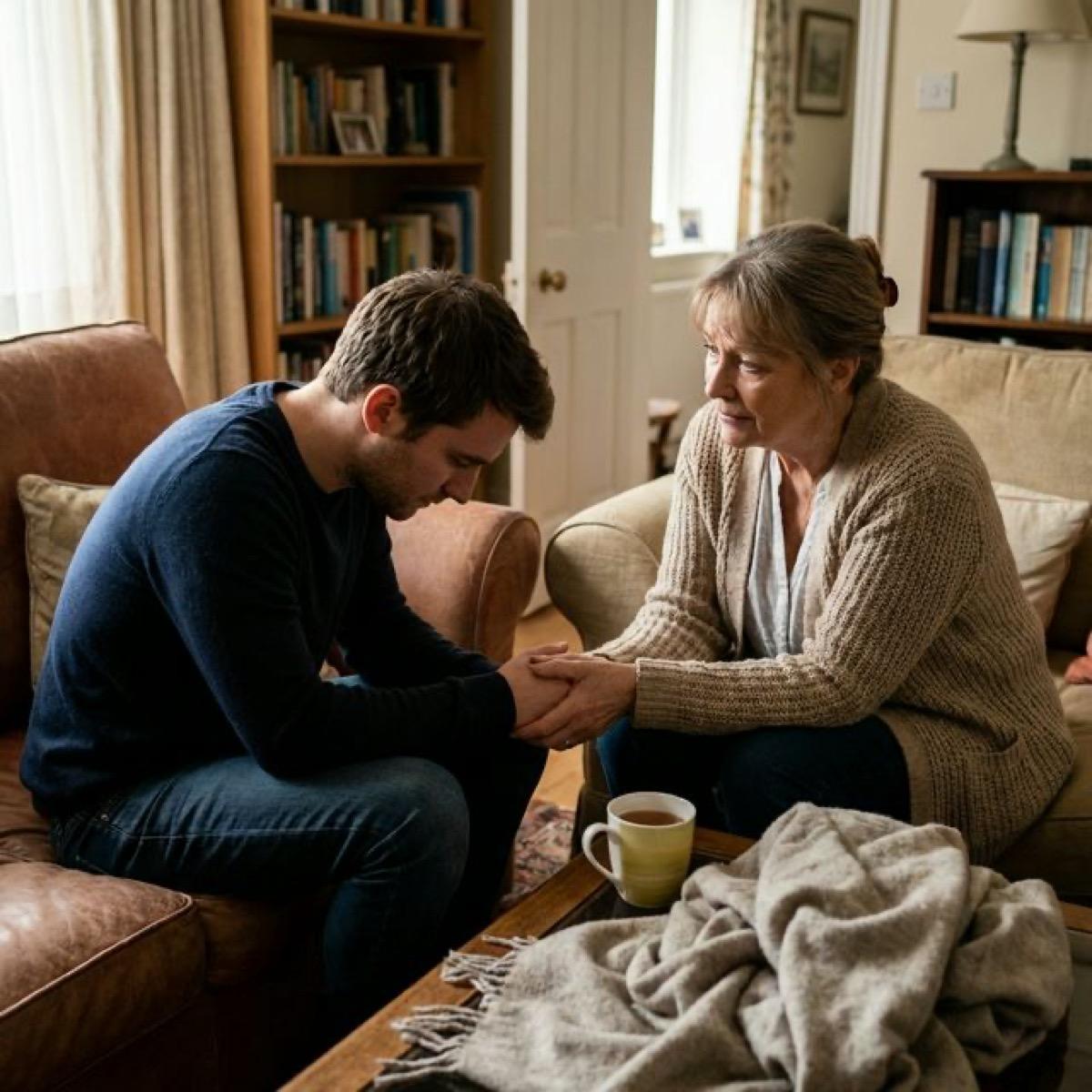
Living with a loved one's addiction is one of the most stressful experiences a person can endure. Support groups for families of people with addiction exist because this experience is too heavy to carry alone. These groups provide a community of people who understand what you are going through, practical coping strategies, and the emotional relief that comes from breaking the isolation that addiction creates.
Family members often put their own needs last, focusing entirely on the addicted individual. Support groups challenge this pattern by centering the family member's well-being. They teach that your health, happiness, and peace of mind are not secondary concerns; they are essential prerequisites for effectively supporting anyone else.
Whether your loved one is in treatment, refusing help, or somewhere in between, a support group can meet you exactly where you are. Southern California offers a robust network of family support options, and understanding the differences between them helps you choose the right fit.
In our group, I finally met people who did not judge me or tell me to just leave. They understood. And that understanding saved my life as much as treatment saved my husband's.
— Al-Anon member, Orange County
Al-Anon Family Groups
Al-Anon is the most widely known support group for families of people with alcohol addiction. Founded in 1951, it operates on the same twelve-step principles as Alcoholics Anonymous but adapted for the people affected by someone else's drinking. Meetings are free, anonymous, and available in virtually every community.
Al-Anon focuses on helping family members recognize what they can and cannot control. The program emphasizes detachment with love, the practice of releasing the outcome of the addicted person's choices while maintaining compassion. Many members find this principle transformative after years of trying unsuccessfully to control their loved one's behavior.
Alateen is a companion program specifically for teenage family members of people with alcohol addiction. Orange County has several active Alateen groups that provide young people with peer support and age-appropriate coping strategies during a particularly vulnerable developmental period.
What to Expect at Your First Meeting
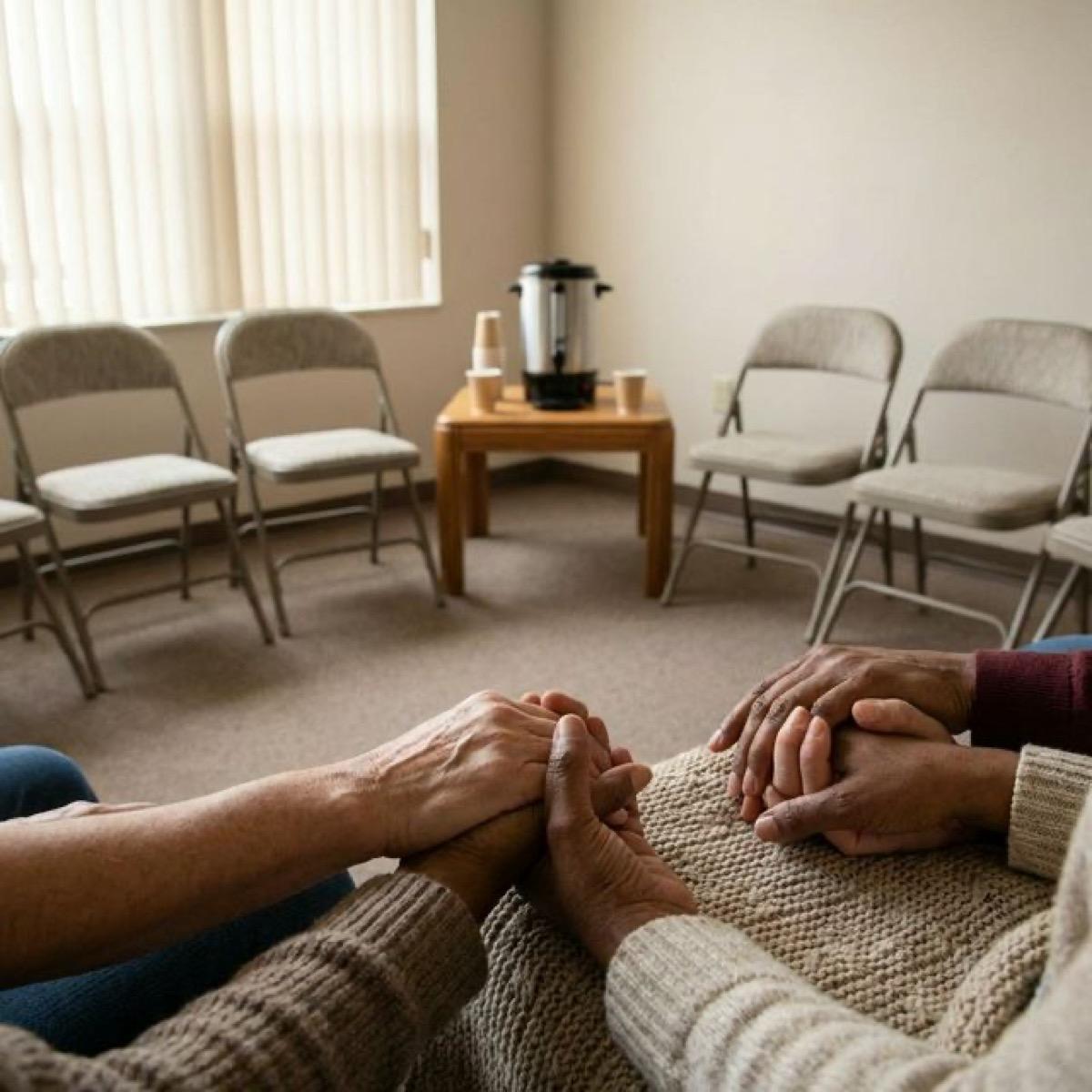
Al-Anon meetings typically last one hour and follow a structured format that includes a reading, a topic for discussion, and an opportunity for members to share their experiences. You are never required to speak; listening is perfectly acceptable, especially at your first meeting. The atmosphere is welcoming, nonjudgmental, and focused on mutual support.
Meetings are available throughout Orange County, with multiple options in cities like Irvine, Anaheim, Huntington Beach, and Santa Ana. Many meetings also offer virtual attendance for those who prefer the convenience or anonymity of online participation.
Nar-Anon Family Groups
Nar-Anon serves families of people addicted to drugs other than alcohol, though in practice many members have loved ones who use multiple substances. Like Al-Anon, Nar-Anon follows twelve-step principles and emphasizes that family members are powerless over the addicted person's behavior but can take control of their own response.
The program offers the same structure of regular meetings, sponsorship, and step work as Al-Anon but with a focus on the specific challenges that drug addiction presents to families. These challenges may include dealing with illegal activity, managing fear around overdose risk, and navigating the criminal justice system.
Nar-Anon meetings are free and available in many Southern California communities. The organization also offers phone and online meetings for those who cannot attend in person or who want additional support between face-to-face meetings.
SMART Recovery Family and Friends
For families who prefer a secular, science-based approach, SMART Recovery Family and Friends offers an alternative to twelve-step programs. SMART stands for Self-Management and Recovery Training, and the family program teaches evidence-based tools drawn from cognitive behavioral therapy and motivational interviewing.
Unlike twelve-step programs, SMART Recovery does not incorporate spiritual principles or the concept of powerlessness. Instead, it empowers family members with practical skills for managing their emotions, communicating effectively, and encouraging their loved one to seek treatment. The approach appeals to many families who find the spiritual framework of twelve-step programs uncomfortable.
SMART Recovery meetings are available both in person and online. While in-person meetings may be less prevalent than Al-Anon in some areas of Orange County, the online platform provides extensive access to meetings, workshops, and community forums.
You do not have to choose just one support group. Many family members attend both twelve-step and SMART Recovery meetings, taking what resonates from each approach and building a personalized support system.
CRAFT: Community Reinforcement and Family Training
CRAFT is not a traditional support group but a structured training program for families who want to motivate a resistant loved one to enter treatment. Developed by Dr. Robert Meyers, CRAFT teaches family members to use positive reinforcement to encourage sobriety and treatment engagement while improving their own quality of life.
Research shows that CRAFT is remarkably effective. Approximately 65 to 70 percent of families who complete the CRAFT program successfully motivate their loved one to enter treatment. This success rate far exceeds traditional interventions and simple requests to seek help.
How CRAFT Works
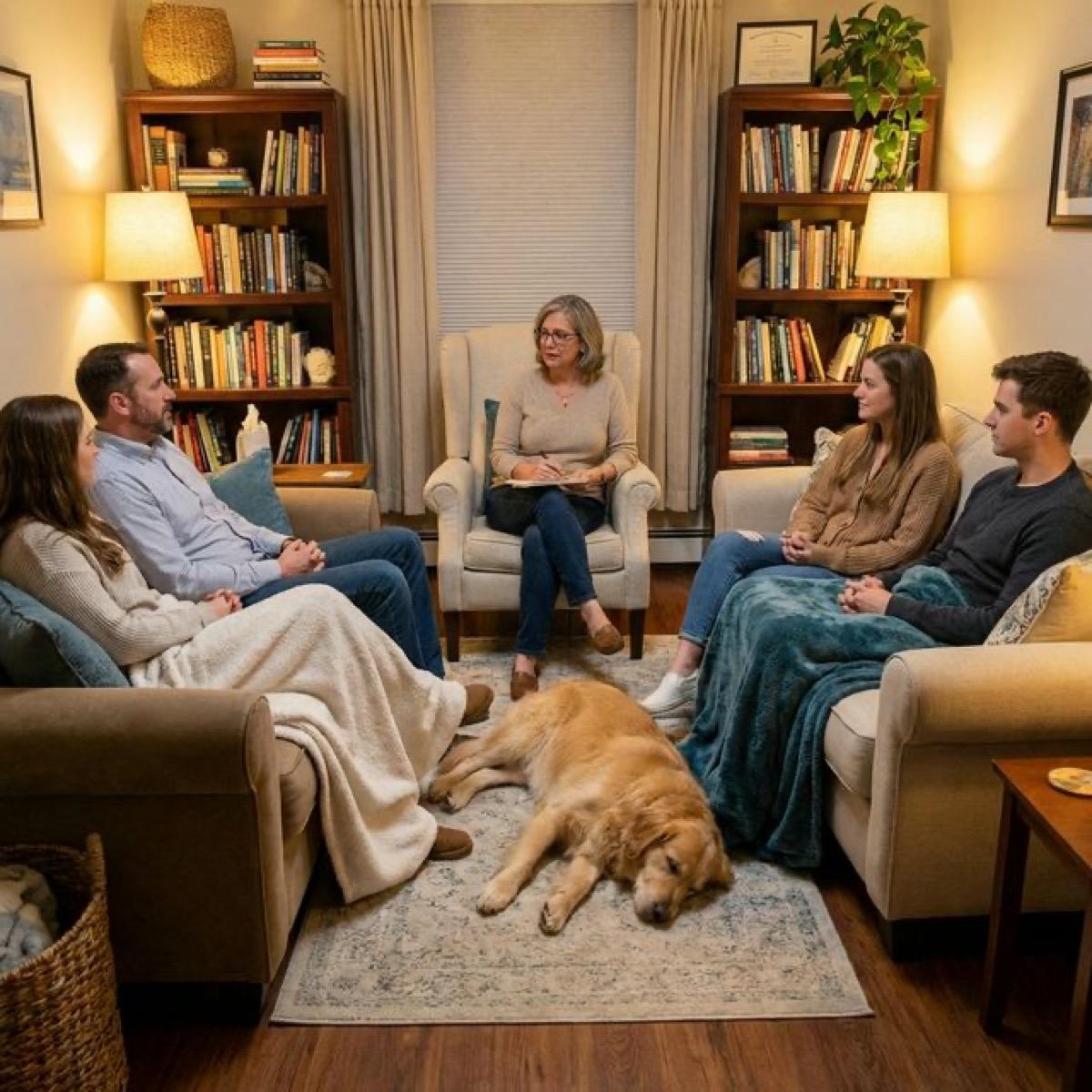
CRAFT typically involves eight to twelve sessions with a trained therapist. Family members learn to identify patterns in their loved one's behavior, reinforce non-using behavior, allow natural consequences for substance use, and improve their own well-being. The program is highly structured and evidence-based.
Trust SoCal can connect families in Orange County with CRAFT-trained therapists. The approach is particularly valuable for families who have tried other methods without success or whose loved one is firmly resistant to the idea of treatment.
- Identifies triggers and patterns in the loved one's substance use
- Teaches positive reinforcement strategies for sober behavior
- Allows natural consequences rather than enabling continued use
- Improves communication skills within the family
- Reduces conflict and increases household stability
- Focuses equally on the family member's own mental health
Online and Virtual Support Options
The growth of virtual support groups has made family resources more accessible than ever. Whether you live in a rural area with few in-person meetings, have scheduling constraints, or simply prefer the anonymity of online participation, virtual options ensure that geography and logistics are no longer barriers to getting help.
Most major organizations including Al-Anon, Nar-Anon, and SMART Recovery offer regular online meetings. Additionally, platforms like In The Rooms and various Facebook communities provide informal peer support around the clock. While online groups lack the physical presence of in-person meetings, many participants find them equally valuable.
For families in Southern California who want the best of both worlds, alternating between local in-person meetings and virtual sessions provides maximum flexibility. You might attend a weekly in-person Al-Anon meeting in Orange County while supplementing with a midweek online SMART Recovery session.
Choosing the Right Support Group for Your Situation
The best support group is the one you will actually attend consistently. Consider your comfort with spiritual language, your schedule, your preferred learning style, and your specific goals when choosing between options. Some people find the community and structure of twelve-step programs essential, while others prefer the skills-based approach of SMART Recovery or CRAFT.
Do not be discouraged if the first meeting you attend does not feel right. Group dynamics vary significantly, and it may take trying several different meetings before you find one that clicks. Give each meeting at least three visits before deciding it is not for you, as first impressions do not always reflect the true character of a group.
Trust SoCal's clinical team can recommend specific groups based on your family's situation. Our therapists are familiar with local meeting options throughout Orange County and can help you find a good match for your preferences and needs.
Getting Started Today
Taking the first step toward a support group can feel intimidating, especially if you have been managing the stress of a loved one's addiction in silence. Remember that every person in that meeting room walked in for the first time once. They understand your hesitation because they have felt it themselves.
You do not need to wait until a crisis to seek support. In fact, getting involved early gives you tools and community that can help prevent crises or manage them more effectively when they occur. Wherever you are on this journey, a support group is ready to welcome you.
- Al-Anon meeting finder: al-anon.org/al-anon-meetings
- Nar-Anon meeting finder: nar-anon.org/find-a-meeting
- SMART Recovery Family: smartrecovery.org/family
- Trust SoCal family programs: (949) 280-8360
- SAMHSA National Helpline: 1-800-662-4357
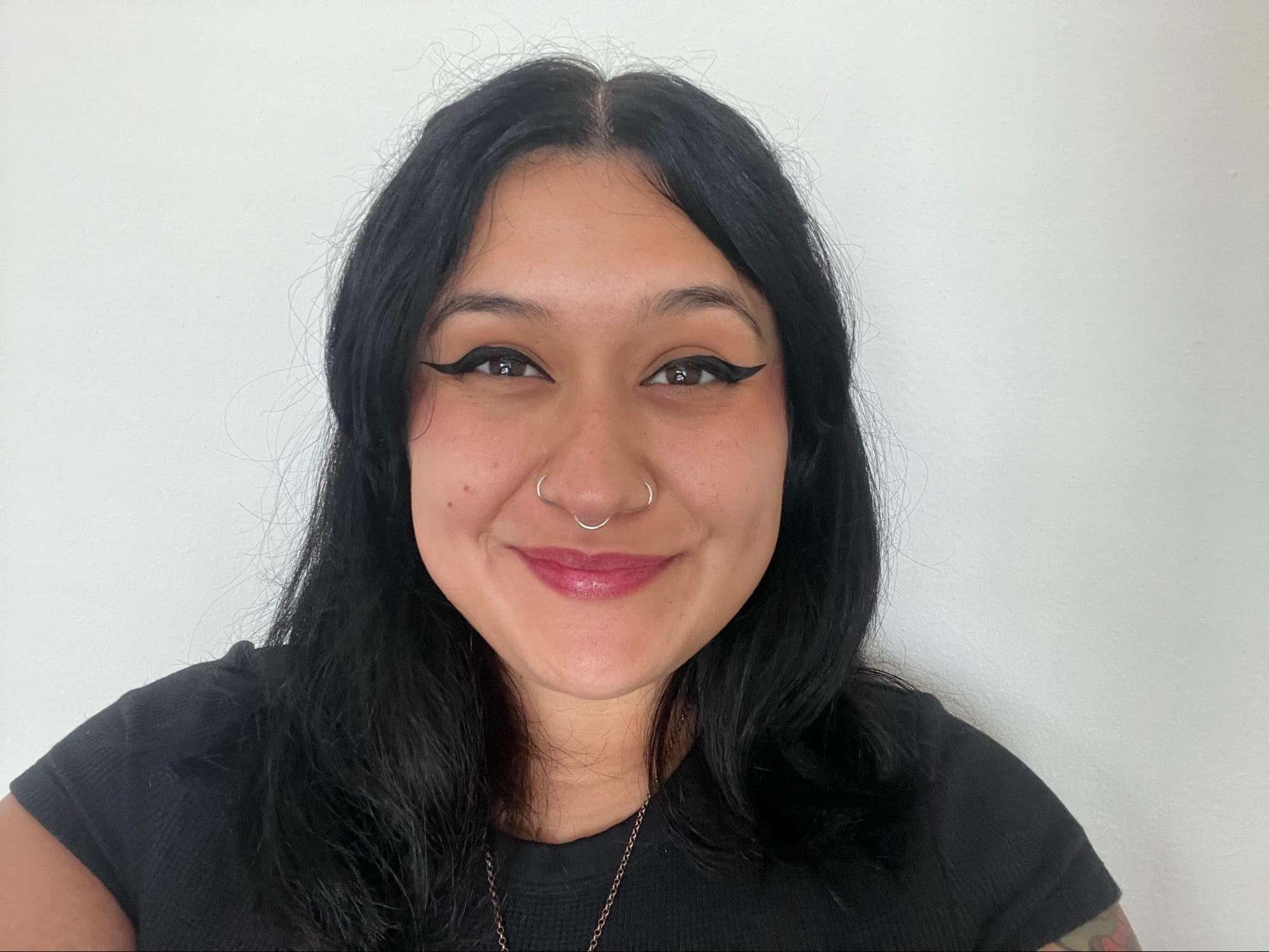
Madeline Villarreal, Counselor
Counselor