Key Takeaways
- Tulsa hosts over 35 licensed addiction treatment facilities serving 460,000+ metro residents
- Creek Nation and other tribal partnerships provide culturally-integrated addiction services
- Oil and gas industry occupational stress contributes to substance use in Tulsa region
- Tulsa community strengthened by generational peer-support networks and recovery-friendly employers
- California treatment offers fresh-start advantage for Tulsa residents stuck in local relapse patterns
Tulsa's Growing Treatment Infrastructure
Tulsa, Oklahoma's second-largest city with approximately 460,000 residents in the metro area, has developed a comprehensive network of addiction treatment services. The city serves as a regional hub for northeast and eastern Oklahoma, drawing patients from smaller communities lacking specialized services. Tulsa treatment facilities range from hospital-affiliated programs at Utica Park Medical Center and Saint Francis Health System to independent private practices and community mental health agencies. The diversity of options means most Tulsa residents can find treatment within 15-20 minutes of home.
Tulsa's treatment community increasingly emphasizes whole-person care integrating psychiatric treatment, family therapy, occupational rehabilitation, and peer support. Programs recognize how Tulsa's economy—historically built on oil and gas but diversifying toward technology and healthcare—creates unique occupational stressors. Industry downturns, workplace injuries, and professional shame often precede substance use development. Effective Tulsa programs address both the presenting addiction and underlying occupational and financial stress.
Tulsa is designated a Health Professional Shortage Area (HPSA) by federal standards, meaning quality treatment services are particularly valuable and should be accessed promptly when available.
Local Tulsa Treatment Centers and Programs
Major Tulsa treatment facilities include Utica Park Treatment Centers (hospital-affiliated), Promises Tulsa (private residential), Creek Nation Health Services (tribal), and multiple Federally Qualified Health Centers offering addiction services. These programs collectively offer inpatient detoxification, residential treatment lasting 30-90 days, intensive outpatient programs (IOP), and standard outpatient services. Accreditation through JCAHO and CARF, where present, indicates quality commitment. Most Tulsa programs now incorporate medication-assisted treatment (MAT), making suboxone, methadone, and naltrexone readily available.
Outpatient Tulsa programs typically meet clients 3-5 times weekly, combining individual therapy, group psychoeducation, family sessions, and peer-support coordination. Intensive programs cost $150-300 daily, with insurance often covering substantial portions. Walk-in assessment services at most Tulsa facilities mean addiction-related crises can be evaluated immediately. However, if local Tulsa programs feel limiting after past relapse experiences, or if you need environmental change from familiar triggers, discussing California-based treatment intensives with Trust SoCal can provide valuable alternatives.
Call (949) 280-8360 to discuss how Trust SoCal's intensive California programs might serve your Tulsa-based recovery needs better than local programs alone.
Creek Nation and Tribal Healthcare Resources
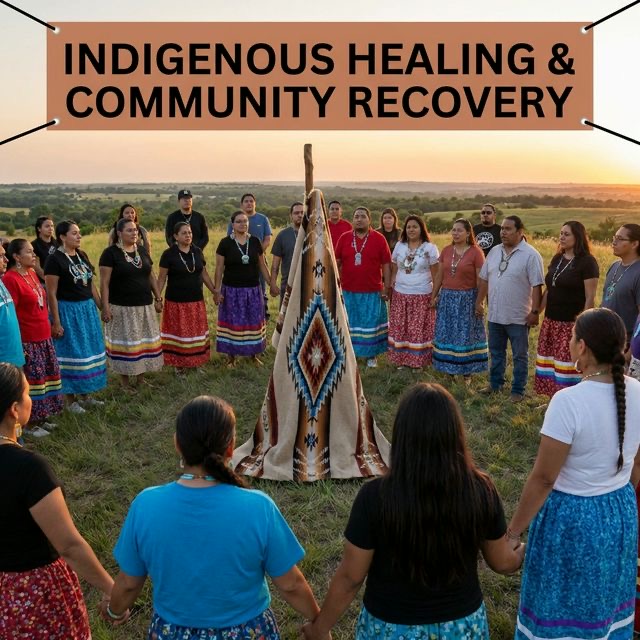
The Creek Nation operates one of Oklahoma's most comprehensive tribal healthcare systems, providing services to enrolled members and non-members throughout the Tulsa region and beyond. Creek Nation Health Services includes addiction assessment, outpatient counseling, medication management, and peer-support coordination, all delivered with cultural competence honoring Creek traditions and values. The integration of traditional healing practices with evidence-based clinical approaches creates a distinctive therapeutic environment particularly valuable for Native American clients and others drawn to culturally-grounded recovery.
Tribal health programs in the Tulsa area address health disparities affecting Native American communities, including elevated substance use rates and limited healthcare access in rural areas. Creek Nation programs often employ Native American counselors, use culturally adapted treatment modalities, and incorporate family and community healing practices. Non-Native individuals seeking culturally respectful treatment may also access tribal programs where slots are available. Understanding tribal sovereignty and service priority systems helps in accessing these valuable resources.
Accessing Creek Nation Health Services
Creek Nation provides services based on Indian Health Service (IHS) funding and tribal allocation, prioritizing enrolled members but serving non-member Native Americans and others.
- Enrollment not always required for crisis services
- Sliding-scale fees for uninsured individuals
- Culturally-integrated treatment modalities combining evidence-based and traditional approaches
- Peer specialists often have lived tribal and recovery experience
- Transportation assistance available in some circumstances
Occupational Addiction and Oil Industry Stress
Tulsa's economy historically centered on oil and gas production, which created both prosperity and occupational hazards contributing to addiction. Workers in oil extraction, petrochemicals, refining, and related industries face high injury rates, pain management challenges, prescription opioid exposure, and cyclical unemployment. The 2015-2016 energy sector downturn devastated many Tulsa families, contributing to visible increases in methamphetamine use, overdose deaths, and suicides. Treatment programs increasingly screen for occupational trauma, workplace injuries, and economic stress as addiction drivers.
Professional accountability issues also create addiction pathways for Tulsa workers in healthcare, law, finance, and education sectors. Fear of licensure loss, professional consequences, and workplace drug-testing programs can delay help-seeking. Many Tulsa employers now offer Employee Assistance Programs (EAPs) providing confidential treatment referrals and partial financial assistance. Recognizing occupational stress as legitimate addiction treatment criteria (rather than moral failing) enables earlier intervention and better outcomes.
Occupational addiction in safety-sensitive jobs (healthcare, aviation, law enforcement) may require specialized monitoring and accountability programs. Standard treatment alone may not satisfy professional board requirements.
Peer Support and Recovery Communities in Tulsa
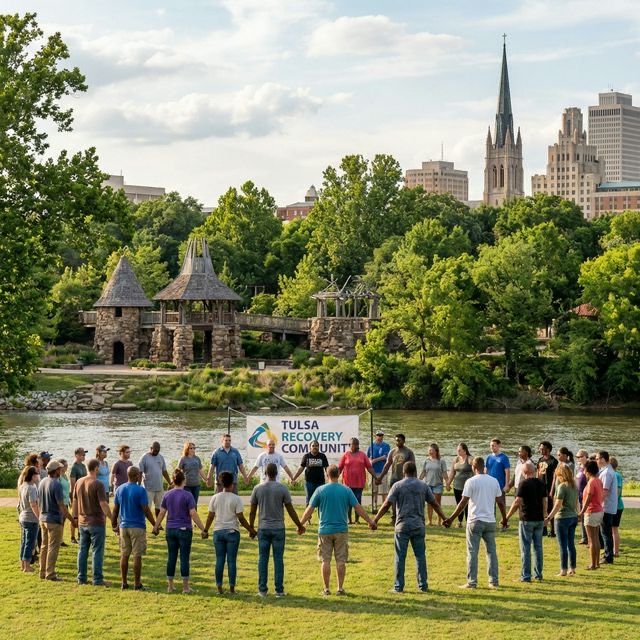
Tulsa supports one of Oklahoma's strongest peer-led recovery communities, with over 150 mutual-help meetings weekly throughout the metro area. Narcotics Anonymous, Alcoholics Anonymous, SMART Recovery, and newer communities including Recovery Dharma and refuge recovery have thriving presences. Meetings occur in recovery clubs, churches, libraries, hospitals, and community centers, often at convenient times for working people. Recovery Cafe Tulsa, a drop-in community hub, provides free coffee, meals, and peer support daily without requiring membership or documentation.
The Tulsa recovery community benefits from historic roots: many current leaders have maintained continuous recovery for 20-30+ years, providing mentorship and institutional wisdom. Sponsorship networks are active, connecting newcomers with experienced peers. For Tulsa residents completing California-based treatment and returning home, pre-identifying potential sponsors and meetings ensures smooth integration into local recovery infrastructure. Many Tulsa meetings welcome out-of-state visitors explicitly and understand confidentiality requirements.
Tulsa's recovery community is real and welcoming. Once you connect, you're part of a family that spans generations.
— Long-term Tulsa Recovery Member
Insurance and Payment Options for Tulsa Residents
Most Tulsa treatment programs accept Oklahoma Medicaid (SoonerCare), private insurance, and cash payment. SoonerCare covers 30 days inpatient treatment with extensions possible, intensive outpatient services, and medication-assisted treatment virtually entirely. Private insurance typically covers 70-90% after deductible, though some policies cap annual mental health benefits or limit facility choice. Payment plans and sliding-scale fees accommodate uninsured patients at most facilities. Insurance verification specialists should be contacted before program enrollment to clarify copays and out-of-pocket costs.
Tulsa residents considering California treatment should explore whether their private insurance covers out-of-state services. Many national carriers offer national networks covering California providers. If private insurance doesn't cover California treatment, some individuals transition residency temporarily to access Medi-Cal coverage. State employee insurance, union health plans, and professional liability insurance often have more generous out-of-state coverage. Discussing financial options directly with California program admissions teams can identify creative solutions.

Trust SoCal Editorial Team, Clinical Review Board
Editorial & Clinical Review