Key Takeaways
- Oklahoma tribal nations operate dedicated addiction treatment services addressing health disparities
- Culturally-integrated treatment honoring tribal traditions improves engagement and outcomes for Native Americans
- Indian Health Service (IHS) funding supports tribal programs with low-cost or free services for eligible individuals
- Five major tribes (Cherokee, Chickasaw, Choctaw, Creek, Seminole) operate comprehensive health systems
- Cultural competency principles emphasize family healing, community integration, and respect for traditional practices
Tribal Health Systems and Addiction Services in Oklahoma
The five major federally-recognized tribes headquartered in Oklahoma—Cherokee Nation, Chickasaw Nation, Choctaw Nation, Creek Nation, and Seminole Nation—each operate comprehensive health systems providing addiction treatment and mental health services. These tribal health programs are funded primarily through Indian Health Service (IHS) appropriations, supplemented by tribal revenue and federal grants. The integration of tribal governance with healthcare delivery means programs reflect tribal values, incorporate cultural practices, and prioritize family and community healing alongside individual recovery.
Tribal addiction programs address distinctive health disparities affecting Native American populations: elevated substance use rates, limited healthcare access in rural reservation areas, historical trauma legacies, and health comorbidities including diabetes, hypertension, and chronic pain. Evidence-based addiction treatment combined with cultural responsiveness creates therapeutic approaches particularly effective for Native American clients. Non-tribal individuals may also access tribal programs where capacity allows and federal regulations permit, gaining access to culturally-grounded treatment unavailable through mainstream programs.
Indian Health Service (IHS) supports tribal health operations through federal trust responsibility. Services are available to all federally recognized tribe members and to American Indians/Alaska Natives regardless of tribe enrollment in some circumstances.
Cherokee Nation Health Services and Programs
The Cherokee Nation, headquartered in Tahlequah with over 380,000 enrolled members, operates one of the nation's largest tribal health systems. Cherokee Nation Health Services operates multiple facilities across northeastern Oklahoma offering addiction assessment, outpatient counseling, medication-assisted treatment, intensive outpatient programs, and peer support services. Cherokee Nation clinicians include licensed counselors, social workers, physicians, and peer specialists many with Cherokee heritage. Services are provided through sliding-scale fees based on income, with no one denied services due to inability to pay.
Cherokee Nation's addiction programs emphasize whole-family healing recognizing how substance use disrupts entire kinship systems. Group therapy often incorporates cultural teachings, traditional practices, and community connection. Peer specialists at Cherokee Nation programs often maintain continuous recovery themselves and understand both addiction challenges and cultural identity navigation. For Cherokee Nation members seeking treatment, enrolling in programs integrated with their government healthcare system ensures coordination with overall health management and community accountability.
Accessing Cherokee Nation Health Services
Services available to all Cherokee Nation enrolled members and eligible American Indians. Healthcare.cherokee.org or 918-207-3400 provides information.
- Addiction assessment available at multiple locations
- Outpatient counseling and group programs
- Medication-assisted treatment (buprenorphine, methadone)
- Intensive outpatient programs (3+ sessions weekly)
- Peer support and recovery community coordination
Chickasaw Nation, Choctaw Nation, and Creek Nation Programs
The Chickasaw Nation (headquartered in Ada), Choctaw Nation (headquartered in Durant), and Creek Nation (headquartered in Okmah) similarly operate dedicated addiction services. Chickasaw Nation Health Services provides addiction treatment at multiple locations throughout south-central Oklahoma, including Ada and Durant. Programs emphasize employment support, family involvement, and traditional Chickasaw teachings. Choctaw Nation, with over 200,000 enrolled members, operates extensive health services including addiction treatment at headquarters and satellite locations. Choctaw Nation programs integrate traditional healing practices with clinical evidence-based treatment.
Creek Nation Health Services offers culturally-adapted addiction treatment emphasizing Creek Nation values and traditional practices. Programs employ Creek Nation citizens and others committed to culturally-competent care. Services include both high-intensity residential programs and flexible outpatient options accommodating clients who cannot leave work or family obligations. All three nations prioritize accessibility for rural residents through traveling clinics and telemedicine services reaching remote areas lacking local capacity.
Each tribal health system has distinct programs and service locations. Contacting specific nations at their health services departments provides detailed information about available services and enrollment requirements.
Culturally-Integrated Treatment Approaches
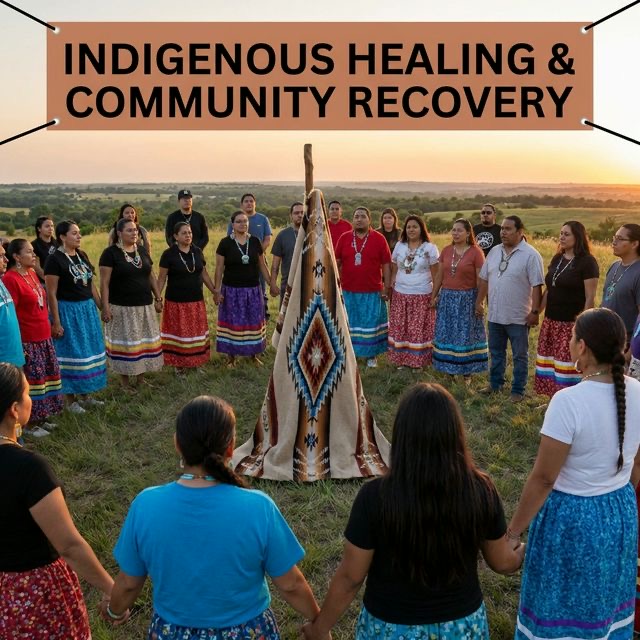
Culturally-integrated addiction treatment recognizes how historical trauma, displacement, forced assimilation, and ongoing discrimination shape addiction pathways for Native Americans. Rather than treating addiction as individual pathology, tribal programs emphasize community healing, reconnection to cultural identity, and restoration of traditional values. Treatment may incorporate traditional ceremonies (sweat lodges, talking circles, prayer practices), connection to ancestral lands, and family systems work grounded in tribal kinship structures. Cultural counselors or elders may participate in treatment planning, honoring the spiritual dimensions of recovery.
Research demonstrates that Native American individuals engaged in culturally-adapted addiction treatment show higher engagement, longer retention, and better recovery outcomes compared to standard mainstream treatment. Respect for tribal sovereignty, integration of tribal language and values, and employment of Native American clinicians all contribute to therapeutic effectiveness. Mainstream treatment programs, even when well-intentioned, may inadvertently perpetuate historical harm if they dismiss cultural values or impose Western individual-focused treatment models incompatible with tribal collective healing traditions.
Real healing for our people integrates who we are as tribal members—our history, our values, our responsibility to family and community. That's not separate from addiction treatment; it's central to it.
— Tribal Health Program Director
Indian Health Service (IHS) Funding and Eligibility
Indian Health Service funding follows the federal government's trust responsibility to tribes established through treaty obligations. IHS appropriations support tribal health operations with the understanding that healthcare is a treaty right, not a benefit. Tribal programs funded through IHS provide services at significantly reduced costs compared to private healthcare—often free or sliding-scale for individuals meeting income criteria. Enrollment in a federally recognized tribe typically provides eligibility; eligibility documentation at enrollment may be requested.
IHS funding limitations mean that some tribal programs have wait lists for specialized services or limited capacity for non-member American Indians. Priority is appropriately given to enrolled members. However, many tribal programs serve broader American Indian communities where resources permit. Inquiring directly about eligibility and availability when seeking care ensures understanding of what services are accessible and what documentation is needed. IHS-funded programs increasingly coordinate with state Medicaid programs, allowing dual payment sources to stretch limited resources.
IHS funding mechanisms can create variable service availability. Some tribal programs have extended wait lists. Planning ahead and contacting programs early is advisable rather than waiting for crisis circumstances.
Historical Trauma and Generational Recovery
Addiction among Native American communities must be understood in context of historical trauma: forced removal from ancestral lands (Trail of Tears), broken treaties, forced assimilation in boarding schools, systematic discrimination, and ongoing marginalization. These historical wounds create intergenerational trauma affecting multiple descendants' mental health, substance use susceptibility, and self-worth. Effective addiction treatment addresses not just the individual substance use but the broader trauma, loss of cultural identity, and systemic oppression contributing to addiction vulnerability.
Generational recovery involves not just individual abstinence but family healing and community restoration. Many Native Americans in recovery report that reconnection to tribal identity, language, land, and spiritual practices becomes central to sustained recovery. Treatment programs supporting this broader healing—through employee assistance, peer mentorship, and community-building—create conditions for deep and lasting change. Some individuals report that traveling to intensive treatment centers, then returning home to grounded community-based recovery supports, creates optimal conditions for sustained healing.

Trust SoCal Editorial Team, Clinical Review Board
Editorial & Clinical Review