
Key Takeaways
- Geographic distance from the people, places, and routines associated with active addiction can significantly reduce relapse triggers during early treatment.
- Florida residents who have cycled through local treatment programs without sustained success often benefit from a completely new environment.
- Trust SoCal in Fountain Valley, California, provides evidence-based addiction treatment in a quiet Orange County community far from the high-stimulus South Florida environment.
- Most major insurance plans provide out-of-network benefits that cover treatment at accredited facilities in other states, though verification is essential.
- The clinical team at Trust SoCal coordinates travel logistics, insurance verification, medication transfers, and family communication before the client arrives.
- Comprehensive discharge planning ensures continuity of care when clients return to Florida, including local therapist referrals, MAT provider connections, and sober living placements.
The Case for Leaving Home to Get Help
The idea of traveling across the country for addiction treatment might seem counterintuitive. After all, wouldn't it be more convenient and less disruptive to attend a rehab program close to home? In many cases, proximity is indeed preferable, but for a significant subset of individuals struggling with addiction, the convenience of local treatment is outweighed by the clinical advantages of geographic distance. The concept of "changing people, places, and things" is one of the most enduring principles in addiction recovery, and for some people, the most effective implementation of that principle is a literal change of geography.
Consider the Florida resident who drives past the corner where they used to meet their dealer every day on the way to outpatient treatment. Or the professional in Brickell who attends evening IOP sessions and then walks back to a condo building where neighbors are the same people they used to drink and use cocaine with at rooftop parties. Or the young adult who leaves a Miami treatment session and immediately receives texts from using friends inviting them out to Wynwood. In these scenarios, the therapeutic work done in treatment sessions is constantly undermined by environmental cues that trigger cravings and pull the individual back toward substance use.
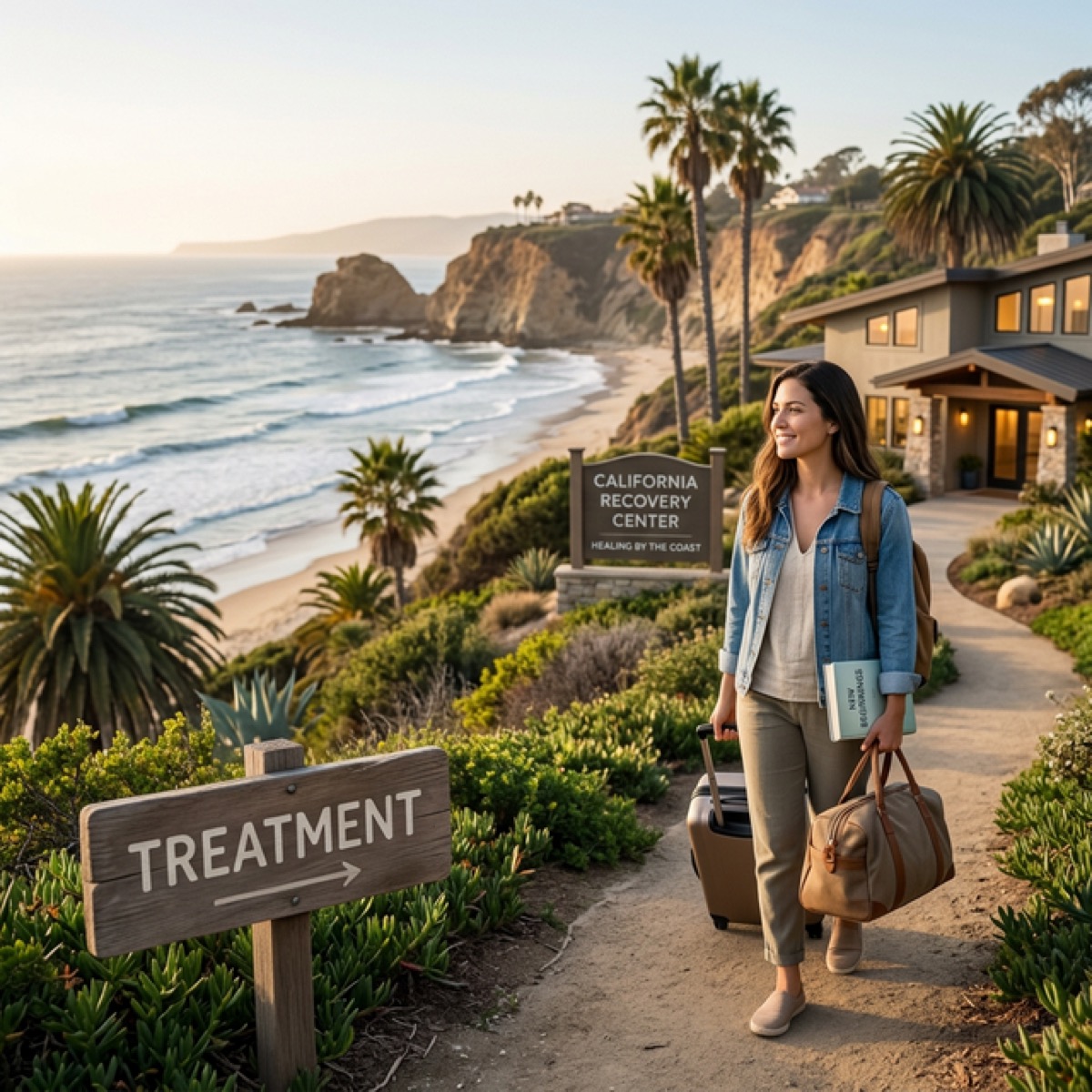
Geographic relocation for treatment interrupts these patterns completely. By traveling to a facility like Trust SoCal in Fountain Valley, California, the individual is physically removed from every environmental trigger associated with their addiction. There is no dealer's corner, no enabling social network, no familiar bar or club. The brain is presented with entirely new stimuli, and the cue-conditioned cravings that are so powerful in the home environment lose their potency in an unfamiliar setting. This creates a neurological window of opportunity for therapeutic work to take root without constant interference from environmental triggers.
Research published in the Journal of Substance Abuse Treatment found that individuals who traveled more than 100 miles for addiction treatment were significantly more likely to complete their treatment program compared to those who attended facilities within their home community.
Why Florida Specifically Presents Challenges for Local Recovery
While the argument for geographic distance applies broadly, Florida presents several specific challenges that make local recovery particularly difficult for many residents. The state's unique combination of climate, culture, tourism, and history with the treatment industry creates an environment that can undermine recovery efforts even when the treatment itself is excellent.
South Florida's nightlife culture is perhaps the most obvious challenge. Miami's reputation as a global party destination is not merely a stereotype; it is an economic reality that shapes the social landscape of the region. The clubs, bars, pool parties, and social gatherings that define the social scene in South Beach, Wynwood, Brickell, and the Design District are environments where substance use is not only common but expected. For individuals recovering from cocaine, MDMA, ketamine, or alcohol addiction, the constant proximity to this culture creates an ongoing assault on their resolve that can be exhausting to resist, particularly in the first year of recovery.
The "Florida shuffle" phenomenon, while significantly curtailed by law enforcement action, has also created a culture in parts of the recovery community where cycling in and out of treatment is normalized. Some individuals become enmeshed in a South Florida recovery subculture where relapse is treated as an inevitable part of the journey rather than a serious setback requiring clinical intervention. While the broader recovery community in South Florida is healthy and supportive, these pockets of permissive attitudes toward relapse can be particularly harmful for individuals in early recovery who need to internalize the urgency of sustained abstinence.
The Tourist and Transient Factor
Miami's status as a major tourist destination adds another layer of complexity to local recovery. The constant flow of visitors creates an atmosphere of celebration, indulgence, and hedonism that permeates much of the city's public life, particularly in areas where individuals in recovery are likely to live and work.
- South Beach and the cruise port areas are saturated with alcohol advertising, open-air drinking, and nightclub promotions that serve as constant environmental triggers.
- Seasonal events including Art Basel, Ultra Music Festival, and Miami Music Week bring massive influxes of party-oriented tourism that intensify the challenging environment.
- The transient nature of Miami's population can make it difficult to build the stable, long-term recovery relationships that support sustained sobriety.
What Trust SoCal Offers Florida Residents
Trust SoCal operates a comprehensive addiction treatment program in Fountain Valley, California, a quiet residential community in the heart of Orange County. The program's location, clinical approach, and operational philosophy are specifically designed to provide the kind of focused, distraction-free treatment environment that many individuals need to establish a solid recovery foundation. For Florida residents who have struggled to achieve or maintain sobriety in local programs, Trust SoCal offers a distinctly different experience.
The clinical program at Trust SoCal is built on evidence-based modalities delivered by a team of licensed professionals including Licensed Clinical Social Workers, marriage and family therapists, and certified addiction counselors. Individual therapy, group therapy, family therapy, psychiatric evaluation and medication management, trauma-focused treatment using EMDR and other modalities, and holistic wellness programming are integrated into individualized treatment plans tailored to each client's specific needs, history, and goals. The program addresses not just the addiction itself but the underlying psychological, relational, and behavioral patterns that drive compulsive substance use.
Fountain Valley's environment stands in stark contrast to the sensory intensity of South Florida. Located approximately eight miles from the Pacific coast, the community offers clean air, temperate weather, tree-lined streets, and a pace of life that supports the calm, reflective mindset needed for deep therapeutic work. Clients are removed from the noise, urgency, and overstimulation of Miami and placed in an environment where they can focus entirely on their recovery without the constant pull of familiar triggers and social pressures.
Trust SoCal provides a complimentary insurance verification service for prospective clients from Florida. Call (949) 280-8360 to have an admissions coordinator review your specific plan and explain your coverage before making any commitment.
Insurance Coverage for Out-of-State Treatment
One of the most common concerns Florida residents express about traveling to California for treatment is whether their insurance will cover care at an out-of-state facility. The answer, in most cases, is yes, though the specifics depend on the type of plan, the network status of the facility, and the applicable state and federal regulations.
Under the Affordable Care Act, substance abuse treatment is classified as an essential health benefit, and the Mental Health Parity and Addiction Equity Act requires that insurance coverage for addiction treatment be comparable to coverage for medical and surgical services. These federal protections apply regardless of the state where treatment is provided. Most PPO plans provide out-of-network benefits that allow members to receive treatment at accredited facilities nationwide, typically at a higher cost-sharing level than in-network care. Some HMO plans are more restrictive about out-of-network coverage, but many still provide out-of-area benefits for substance abuse treatment, particularly when the enrollee can demonstrate that appropriate in-network services are not available or have not been effective.
Florida Medicaid coverage for out-of-state treatment is more limited. While emergency services are covered across state lines, planned residential treatment in another state generally requires prior authorization and demonstration that comparable services are not available in Florida. For individuals with Florida Medicaid who are interested in out-of-state treatment, the Trust SoCal admissions team can evaluate options and, when necessary, assist with alternative funding arrangements. Private insurance and employer-sponsored plans typically offer the most straightforward path to coverage for California-based treatment.
Trust SoCal works with insurance companies daily to obtain authorizations for out-of-state clients. The admissions team will handle all pre-authorization paperwork, utilization reviews, and insurance communications on your behalf so you can focus on getting well.
The Logistics of Traveling from Florida to California for Treatment
The practical logistics of traveling from Florida to California for addiction treatment are more manageable than most families expect. Trust SoCal's admissions team has extensive experience coordinating cross-country admissions and guides families through every step of the process, from initial phone call to airport arrival in Orange County.
Direct flights from Miami International Airport (MIA) to John Wayne Airport (SNA) in Orange County are available on multiple carriers, with flight times of approximately five hours. Fort Lauderdale-Hollywood International Airport (FLL) and Palm Beach International Airport (PBI) also offer flights to Southern California, providing options for residents throughout the tri-county area. For clients traveling from other parts of Florida, Tampa International (TPA), Orlando International (MCO), and Jacksonville International (JAX) all have direct or one-stop service to the Los Angeles metropolitan area airports, with SNA being the closest to Trust SoCal's Fountain Valley location.
The Trust SoCal team coordinates all travel logistics once the admission date is confirmed. This includes assisting with flight booking when requested, arranging ground transportation from the airport to the facility, coordinating medication transfers for clients on MAT (buprenorphine, methadone, or naltrexone), and scheduling the clinical intake assessment for the day of arrival. Clients typically arrive in the late morning or early afternoon, check in with the admissions team, complete intake paperwork and medical screening, and begin orientation to the program the same day.
What to Pack and How to Prepare
The admissions team provides a detailed packing guide to incoming clients, but preparation for out-of-state treatment extends beyond what goes in the suitcase. Practical and emotional preparation helps ensure a smooth transition.
- Pack comfortable, casual clothing appropriate for Southern California's mild climate. Layers are helpful as mornings can be cool even when afternoons are warm.
- Bring all prescription medications in their original pharmacy containers, along with a list of current medications and dosages for the medical team.
- Arrange for mail forwarding, bill payment, and any necessary power-of-attorney documentation before departing Florida.
- If you have children, finalize childcare arrangements and communicate plans clearly with all caregivers, schools, and involved parties.
- Contact your employer about FMLA leave or other workplace accommodations for the treatment period.
Family Involvement Across the Distance
A common concern about out-of-state treatment is the impact on family involvement in the recovery process. Research consistently demonstrates that family engagement in treatment improves outcomes, and Trust SoCal has developed robust systems for maintaining family connection and facilitating family therapy even when families are 2,500 miles away.
Technology has transformed the feasibility of long-distance family engagement. Trust SoCal offers virtual family therapy sessions conducted via secure, HIPAA-compliant video conferencing platforms, allowing family members in Florida to participate in scheduled therapy sessions with the client and their therapist. These sessions address family dynamics, communication patterns, boundary-setting, and preparation for the client's eventual return to the family system. Family education groups, also offered virtually, provide families with information about addiction as a brain disease, enabling behaviors, the stages of change, and how to support recovery effectively.
For families who wish to participate in person, Orange County offers a welcoming environment for visitors. Hotels and short-term rentals in the Fountain Valley area are affordable compared to major Florida tourist destinations, and the temperate Southern California climate makes visiting pleasant year-round. Family visitation is incorporated into the treatment schedule at appropriate stages, typically after the client has completed the initial stabilization and engagement phase of treatment. The clinical team guides families on the optimal timing and structure for visits to maximize their therapeutic value.
Clinical Approaches That Differentiate Trust SoCal
Trust SoCal's treatment philosophy is rooted in the understanding that addiction is a complex biopsychosocial condition that requires a multifaceted clinical response. The program goes beyond standard group therapy and twelve-step facilitation to offer a comprehensive array of evidence-based modalities selected and combined based on each client's individualized treatment plan.
Trauma-focused treatment is a particular strength of the program. A significant proportion of individuals entering treatment have experienced adverse childhood experiences, interpersonal violence, community violence, or other traumatic events that contribute to and complicate their substance use disorder. Trust SoCal's clinical team is trained in Eye Movement Desensitization and Reprocessing (EMDR), Cognitive Processing Therapy (CPT), and somatic experiencing, providing clients with multiple pathways for processing trauma without relying solely on talk therapy. For the many Florida residents whose cocaine or opioid addiction is intertwined with unresolved trauma, this trauma-competent approach is particularly valuable.
The program also emphasizes the development of practical life skills that support sustained recovery after discharge. Financial literacy, employment readiness, healthy relationship skills, stress management techniques, nutrition and fitness coaching, and mindfulness practices are woven throughout the program. These practical skills complement the clinical work and help clients build the functional foundation they need to maintain sobriety when they return to their daily lives in Florida.
We treat the whole person, not just the addiction. Every client who comes to us from Florida or anywhere else receives a treatment plan that addresses their unique history, their specific challenges, and their personal goals for recovery.
— Rachel Handa, Clinical Director, Trust SoCal
Returning to Florida: Discharge Planning and Continuity of Care
One of the most critical aspects of out-of-state treatment is what happens after the program ends. A beautifully designed treatment experience is of limited value if the client returns to Florida without a comprehensive plan for maintaining and building upon the progress they've made. Trust SoCal's discharge planning process begins early in treatment and involves the client, their therapist, their family, and the aftercare coordination team in developing a detailed roadmap for re-entry into Florida life.
The discharge plan for a Florida-returning client typically includes referrals to a local outpatient therapist who specializes in addiction and any co-occurring conditions identified during treatment, connection to a psychiatrist or MAT provider if ongoing medication management is needed, identification of appropriate recovery support meetings (AA, NA, CA, SMART Recovery) near the client's home or workplace, sober living placement when indicated, and an emergency relapse prevention plan with 24/7 crisis contacts. All referrals are researched and, when possible, personally verified by the aftercare team before being included in the plan.
Trust SoCal maintains an active alumni program that provides ongoing support to clients after discharge. Alumni receive regular check-in contacts from the clinical team, access to virtual alumni group meetings, and the ability to reach out to their former therapist for guidance during challenging moments. For clients who return to Miami, Fort Lauderdale, or other South Florida locations, the alumni program provides a lifeline of connection to the treatment community that supported their early recovery, bridging the distance between California and Florida with technology and genuine care.
Building a Florida Support Network Before Returning
Effective discharge planning does not wait until the last week of treatment. Trust SoCal begins building the client's Florida-based support network while they are still in the program, ensuring that connections are in place before the client boards the return flight.
- Telehealth sessions with a Florida-based therapist can begin during the final weeks of residential treatment, establishing the therapeutic relationship before the transition.
- Virtual attendance at Florida-based recovery meetings allows clients to identify their "home group" and begin building local peer connections while still in California.
- Family therapy sessions shift focus to practical return planning, addressing how the home environment will be structured to support ongoing recovery.
- Sober living arrangements in South Florida are researched, toured virtually, and secured before the client's discharge date.
- Employment or educational plans are developed and initial steps taken while the client has the structure and support of the treatment environment.
Success Stories: Floridians Who Found Recovery in California
The decision to leave Florida for treatment is significant, and it is natural for individuals and families to want reassurance that the disruption and distance are worth it. While privacy prevents sharing identifying details, the experiences of former clients consistently demonstrate that out-of-state treatment can be a turning point for individuals who have struggled to find sustained recovery locally.
A common thread in these stories is the transformative effect of environmental change. Clients describe the experience of waking up in Fountain Valley without the constant mental burden of knowing that their dealer, their using friends, or their favorite bar is just minutes away. Free from that environmental pressure, they report being able to engage in therapy more deeply, sleep more soundly, and experience clarity of thought that had been elusive during previous local treatment attempts. The quiet streets, the proximity to nature, and the slower pace of life in Orange County are frequently cited as healing factors in their own right.
Another recurring theme is the strength of connections formed in treatment. Clients who travel from Florida to Trust SoCal often form particularly strong bonds with fellow clients and staff, united by the shared experience of leaving home to seek help. These relationships, maintained through the alumni program and personal communication, become lifelong recovery resources that span geography. Many former clients describe their Trust SoCal peers and therapists as their most trusted recovery supports, even years after completing the program.
Taking the First Step: How to Start the Process
If you are a Florida resident considering out-of-state treatment, or a family member exploring options for a loved one, the first step is a confidential conversation with the Trust SoCal admissions team. This initial call is free, carries no obligation, and provides an opportunity to discuss the situation in detail, ask questions, and receive honest guidance about whether out-of-state treatment is the right option.
During the initial call, the admissions coordinator will ask about the substance(s) being used, the duration and severity of the addiction, any previous treatment experiences, co-occurring mental health conditions, current medications, insurance information, and the individual's motivation for seeking treatment. This information is used to conduct a preliminary clinical assessment and determine whether Trust SoCal is an appropriate fit. If the program is not the right match, the admissions team will offer referrals to other resources that may be more suitable.
Trust SoCal's admissions line is available at (949) 280-8360. The facility is located at 16537 Elm Cir, Fountain Valley, CA 92708, approximately 40 miles south of Los Angeles in the heart of Orange County. Whether the conversation leads to admission at Trust SoCal, a referral to another program, or simply provides a family with information and reassurance, it is a step in the right direction. Every journey to recovery begins with a single conversation, and the admissions team is ready to have that conversation whenever you are.
You do not need to have all the answers before calling. The admissions team is trained to help you sort through options, understand your insurance benefits, and develop a plan, even if you are unsure about the next step. The call itself is a form of progress.
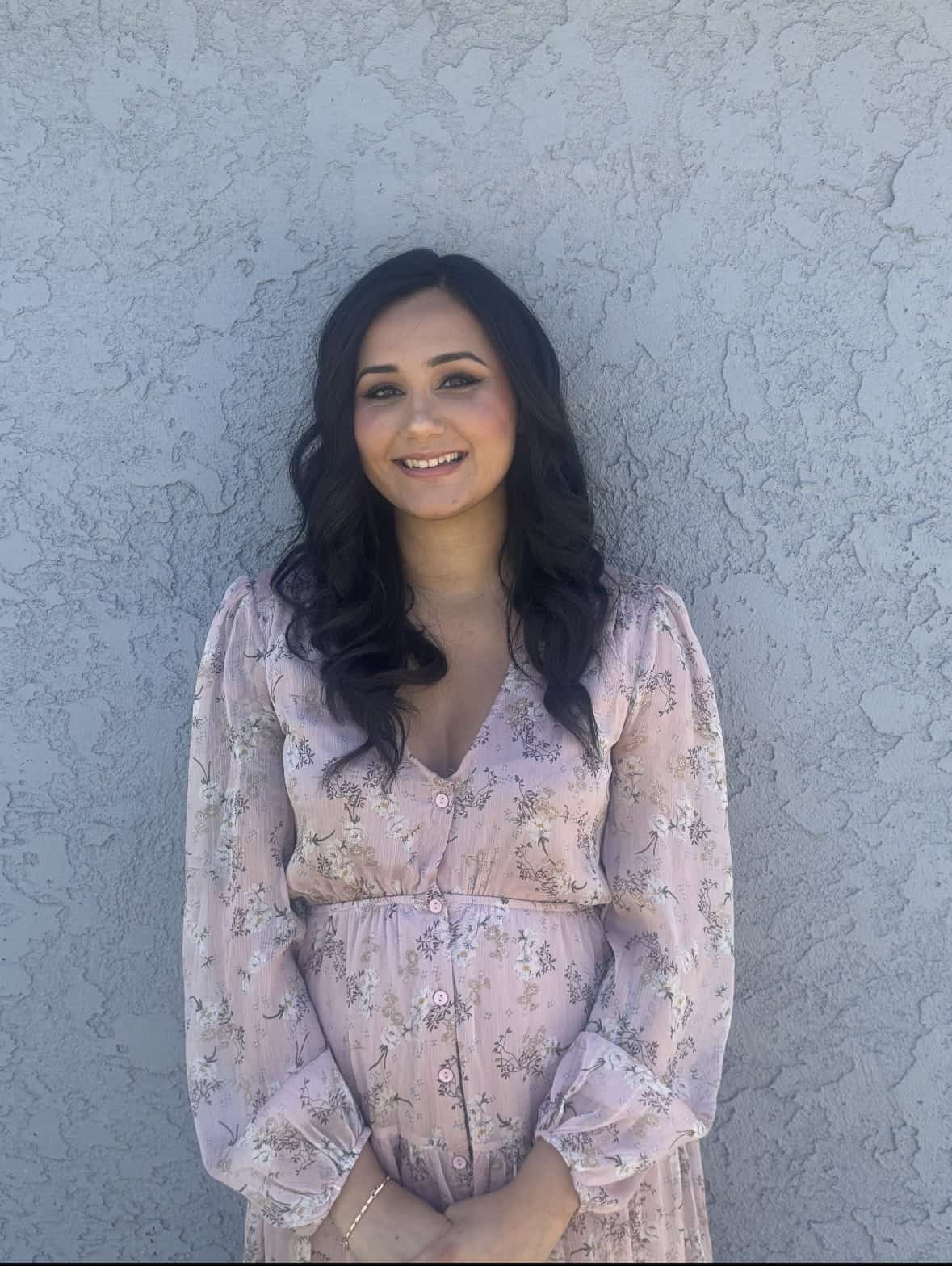
Rachel Handa, Clinical Director
Clinical Director & Therapist


