Key Takeaways
- Geographic distance from using networks, enabling relationships, and environmental triggers creates psychological separation supporting early recovery for many Midwest residents.
- Southern California's mild climate enables year-round outdoor therapeutic activities—beach walks, hiking, water-based therapy—promoting physical and emotional wellness during early recovery.
- Direct flights from Detroit, Cleveland, Chicago, and other Midwest cities to Southern California are readily accessible, with travel time rarely exceeding 4-5 hours.
- Specialized addiction treatment programs in Southern California offer evidence-based clinical approaches, diverse therapeutic modalities, and integrated holistic wellness practices.
- The therapeutic community model in quality Southern California programs provides peer support, accountability, and genuine connection among individuals committed to recovery.
- Trust SoCal in Fountain Valley assists Midwest residents with comprehensive treatment coordination, insurance verification, and return-to-home planning at (949) 280-8360.
The Therapeutic Power of Geographic Distance
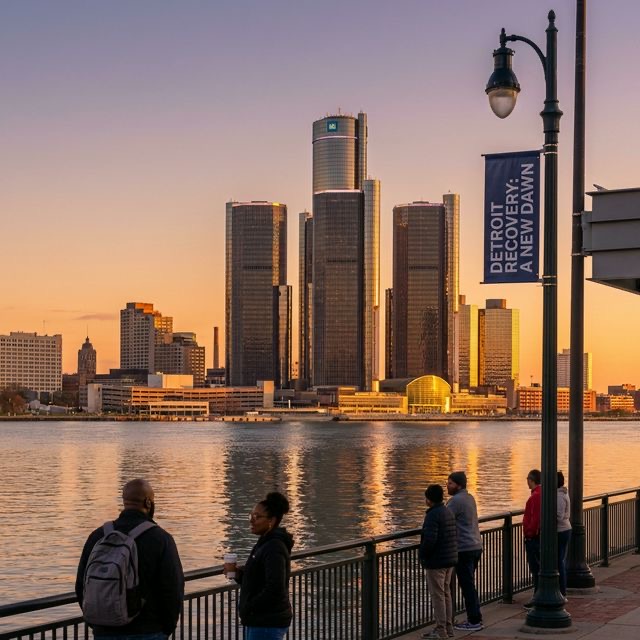
For many individuals struggling with addiction, the environments in which they live are saturated with triggers, associations, and enabling relationships that make local recovery extraordinarily difficult. The corner liquor store, the street where drugs were purchased, the bar where friends still drink every night, the homes of using associates—all these familiar places carry deep emotional associations with substance use. The decision to pursue treatment thousands of miles away in Southern California represents a deliberate strategy to interrupt these patterns and create psychological separation from old behaviors.
Research in addiction science confirms what intuition suggests: environmental change during early recovery can be therapeutically powerful. When an individual is removed from the physical spaces associated with drug use and the social networks reinforcing substance use, the cognitive and behavioral habits built up over months or years are disrupted. The effort required to obtain drugs or alcohol in an unfamiliar city, combined with the absence of social reinforcement from using friends and the daily activation of substance-use-related neural pathways, gives the developing recovery brain a chance to stabilize.
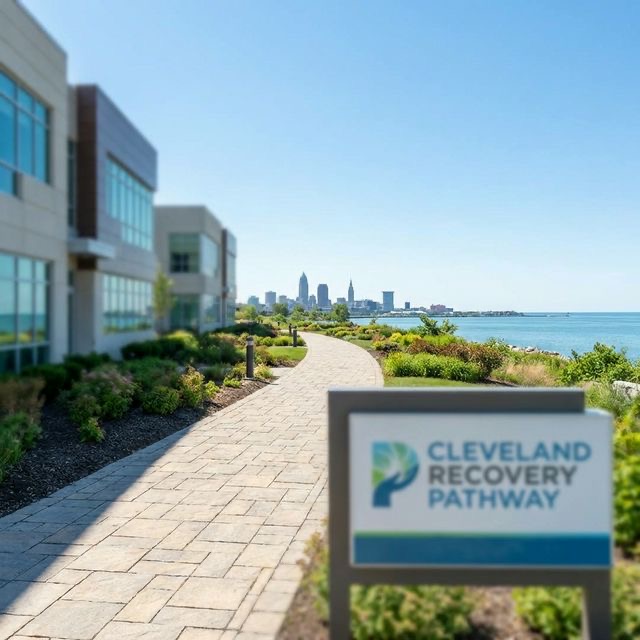
For Detroit, Cleveland, Chicago, and other Midwest residents, traveling to Southern California means leaving behind not only physical locations but also weather patterns, seasonal changes, and the broader cultural context of one's original environment. The clean break enables psychological rebuilding in a new context where identity can be reconstructed around recovery rather than substance use.
I tried local treatment in Detroit three times. Each time I got out and was right back in the neighborhoods where I used, around the same people, dealing with the same triggers. Getting to California meant I could actually focus on myself without constantly fighting my environment.
— Former Trust SoCal client from Detroit
Climate and Year-Round Outdoor Therapeutic Activities
Midwest winters are brutal, and their impact on mental health during early recovery can be significant. Northern Michigan, Detroit, Cleveland, Columbus, and Chicago experience dark, cold months that naturally produce depression and isolation. During early recovery, when emotional resilience is at its lowest and mood regulation capacity is impaired by the brain's recovery from substance use, winter can precipitate relapse. The seasonal affective patterns common in Midwest residents become more pronounced during recovery's vulnerable early phase.
Southern California's Mediterranean climate provides year-round warm weather enabling constant outdoor activity and sunshine exposure. Research demonstrates that sunlight exposure improves mood, supports circadian rhythm regulation, and enhances sleep quality. Outdoor physical activity in pleasant weather improves cardiovascular fitness, reduces anxiety, and promotes emotional regulation. The ability to walk on the beach, hike in nature, participate in water-based therapy, and exercise outdoors every single day—rather than being confined indoors during winter months—provides therapeutic benefits that indoor-only treatment cannot replicate.
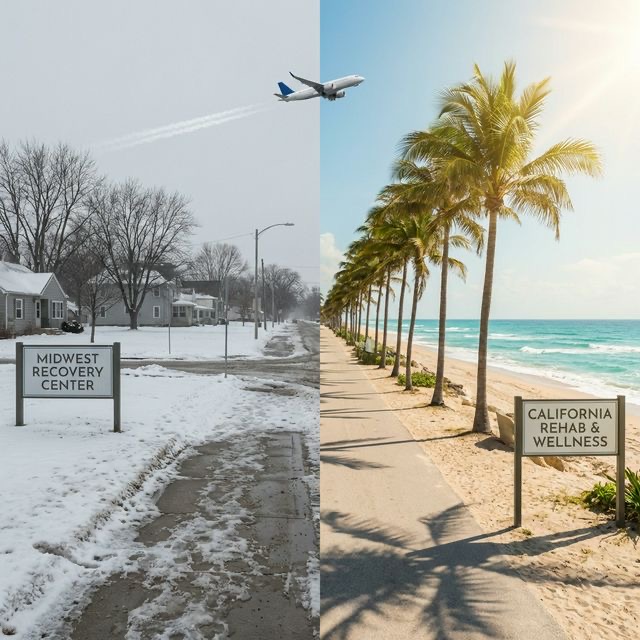
The contrast between Midwest winters and Southern California sunshine is not superficial. The daily experience of pleasant weather, the ability to wear light clothing and be outdoors without cold-related stress, and the environmental cues supporting activity and connection create a therapeutic context supporting recovery. Many individuals from Detroit, Cleveland, Ann Arbor, and other Midwest cities report that the weather alone contributes meaningfully to their ability to maintain early recovery motivation.
Access and Logistics of Midwest-to-California Travel
A common concern for Midwest residents considering California treatment is travel logistics. In reality, access is surprisingly straightforward. Direct flights from Detroit Metropolitan Airport to Southern California take approximately 4-4.5 hours. Similarly, Cleveland Hopkins International Airport offers direct flights to Los Angeles and other Southern California destinations in the same timeframe. Chicago O'Hare and Midway also provide direct service. For Midwest residents, the flight time is comparable to traveling across the Midwest to different states.
Trust SoCal's admissions team assists with all travel logistics. The program coordinates flight arrangements, arranges airport pickup, and manages the transition from airport to the treatment facility in Fountain Valley, Orange County. For family members who wish to participate in family therapy sessions or visit during treatment, the program facilitates travel planning and accommodations. Return flights at program completion are similarly coordinated.
Specialized Programming and Evidence-Based Treatment
Southern California hosts some of the nation's most sophisticated addiction treatment programs, with access to cutting-edge research, specialized clinical expertise, and diverse therapeutic modalities. Treatment programs include traditional evidence-based approaches including cognitive-behavioral therapy, motivational interviewing, and family therapy, alongside holistic practices including yoga, equine therapy, art therapy, and mindfulness meditation.
Medication-assisted treatment is widely available and expertly managed in Southern California programs. Individual therapy, group counseling, peer support, and recovery coaching are integrated into comprehensive treatment plans. For individuals with co-occurring mental health conditions, integrated dual-diagnosis treatment from providers trained in both psychiatry and addiction medicine ensures that underlying conditions are addressed alongside substance use disorders.
Trust SoCal provides comprehensive assessment and individualized treatment planning for Midwest residents. The program integrates evidence-based clinical therapies with holistic wellness practices and coordinates treatment with consideration of each individual's unique needs, insurance coverage, and recovery goals. Call (949) 280-8360 for confidential consultation.
The Therapeutic Community Model
Quality addiction treatment programs, including Trust SoCal, operate using therapeutic community principles emphasizing peer support, mutual accountability, and genuine human connection. During treatment, individuals live in community with others committed to recovery. Shared meals, group activities, therapy groups, and recreational time build genuine connection and accountability. The experience of being surrounded by people genuinely committed to recovery, who understand the struggle and celebrate progress, is profoundly healing.
Peer support in treatment serves functions that professional therapy cannot fully replicate. Individuals facing similar challenges, at similar stages of recovery, learning the same skills, building connection based on shared vulnerability—this is powerful medicine. The therapeutic community model recognizes that humans are social creatures and that authentic connection with others on similar journeys is essential for sustainable recovery.
Insurance Coverage and Financial Considerations
A practical concern for Midwest residents considering California treatment is insurance coverage. Many insurance plans, including Medicaid in Michigan and Ohio, may cover out-of-state treatment when specialized services are unavailable locally or when wait times for local care are excessive. Trust SoCal works extensively with insurance providers and can assist Midwest residents in determining coverage eligibility for California treatment.
Even when out-of-state coverage is limited, many individuals pursue California treatment and use it as an investment in their recovery. The therapeutic benefits of geographic change, climate, and specialized programming often justify the cost. For some individuals, quality private treatment is less expensive than extended relapse cycles involving treatment, relapse, overdose, incarceration, and accumulated consequences.
Transition Planning and Return-to-Home Support
An important aspect of quality out-of-state treatment is careful transition planning for return to the Midwest. Effective programs, including Trust SoCal, coordinate return-to-home planning before the individual leaves California. This includes identifying local treatment providers, connecting with recovery support organizations, and planning peer support group attendance in the home community.
For some individuals, extended outpatient aftercare provides ongoing clinical support and relapse prevention. Phone or video therapy sessions can maintain continuity of care. Return-to-home planning acknowledges that the transition from intensive treatment to community living is a vulnerable period and that ongoing support is essential for sustained recovery.

Rachel Handa, Clinical Director
Clinical Director & Therapist