Key Takeaways
- Geographic distance from environmental triggers, enabling relationships, and familiar locations provides a powerful reset opportunity for individuals in early recovery.
- Southern California's year-round mild Mediterranean climate enables year-round outdoor therapeutic activities including beach walks, hiking, water activities, and equestrian therapy.
- Specialized addiction treatment programming not available in local Midwest communities, including intensive individual therapy and specialized modalities, can be accessed in California.
- Out-of-state treatment allows individuals to focus entirely on recovery without distractions from their usual daily environments and responsibilities.
- The therapeutic community atmosphere in quality residential programs creates peer support and accountability that supports sustained recovery.
- Traveling for treatment requires careful consideration of insurance coverage, aftercare planning, and integration of continuing care upon return to home communities.
- Trust SoCal provides individualized treatment, assists with insurance verification, and coordinates travel for Midwest residents seeking California treatment at (949) 280-8360.
The Therapeutic Power of Geographic Distance in Recovery
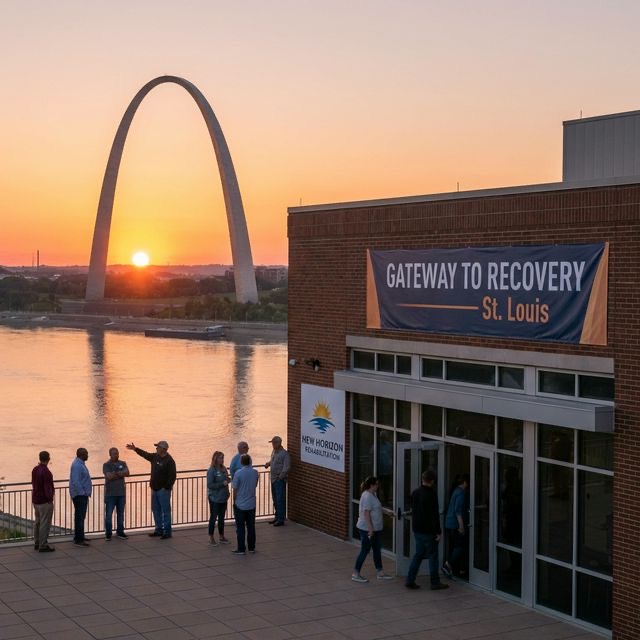
One of the most powerful yet underappreciated interventions in addiction recovery is geographic distance from the environmental triggers, enabling relationships, and familiar locations that drive continued substance use. For many Midwest residents struggling with addiction, the people, places, and routines embedded in their daily lives are constant threats to early sobriety. The street corner where they purchased drugs, the bar where they drank every night, the friends who support their use, the family dynamics that trigger stress and using behavior—these are inescapable in local treatment. Geographic distance creates a clean break that allows individuals to focus entirely on their recovery without the constant distraction of familiar cues.
Research on the therapeutic benefits of environmental change supports what many individuals report from lived experience: removing individuals from their usual environment—particularly those with extensive environmental triggers and deep patterns of substance-using behavior—improves treatment engagement and outcomes. The Midwest to California route provides adequate distance (approximately 1,500 to 1,800 miles) to represent a meaningful psychological and logistical break while remaining within the same country, with direct flights making travel manageable and time difference minimal.
The decision to travel for treatment should be made carefully, in consultation with treatment professionals and family members who support the individual's recovery. Out-of-state treatment is most effective when the individual is motivated to make change, has family or social support for the decision, and has a plan for continuing care and community integration upon return. For Midwest residents who have attempted local treatment unsuccessfully or who have extensive environmental triggers, the benefits of geographic distance often justify the investment.
Research shows that individuals who travel for treatment often report that geographic distance from triggers was critical to their ability to focus on recovery work. However, success ultimately depends on engaging fully in treatment and building recovery support communities upon return home.
Southern California's Therapeutic Climate and Outdoor Activities
Southern California's Mediterranean climate—warm, sunny, and mild year-round—provides a stark contrast to the Midwest's harsh winters. For individuals in early recovery from substance use disorders, many of whom are experiencing depression, anxiety, and low mood that characterize acute and early sustained recovery, Southern California's mild weather enables outdoor therapeutic activities that would be impossible or dangerous during Midwest winters. Year-round beach walks, hiking in nearby mountains and trails, water sports including surfing and paddleboarding, equestrian therapy, and garden-based activities are possible 365 days a year.
The relationship between sunlight, physical activity, and mood improvement is well-established in psychological and neuroscience research. Seasonal affective disorder (SAD) and winter depression are particular challenges for Midwest residents during the months-long cold, dark season. Southern California's consistent sun supports circadian rhythm regulation, vitamin D production, and mood stability that are essential for sustained recovery. The psychological lift of warm, sunny weather may seem insignificant compared to clinical interventions, but the cumulative effect over weeks of treatment can be substantial.
Equestrian-assisted therapy, which many Southern California treatment programs offer, is particularly valuable for trauma-informed recovery. The bond with horses, the responsibility of care, and the presence of a large animal requiring respect and attention creates a unique therapeutic experience. Similar benefits come from water-based activities, hiking therapy, and other outdoor modalities. Midwest residents accustomed to indoor programming during winter gain access to these therapeutic modalities by treating in Southern California.
When considering out-of-state treatment, ask about outdoor and nature-based therapeutic activities available. Year-round access to outdoor activities supports physical fitness, mood regulation, and the psychological benefits of nature connection during early recovery.
Specialized Treatment Programming
While quality addiction treatment is available across the Midwest, Southern California residential programs often offer specialized programming and individualized treatment approaches not readily available in Midwest communities. Intensive individual therapy with highly experienced therapists allows deep work on trauma, family dynamics, and the psychological roots of substance use. Extended treatment durations—90 days, 120 days, or longer—provide time for genuine behavioral change and neurobiological recovery that 28-day programs cannot achieve.
Specialized tracks for specific populations including professionals, executives, healthcare workers, and first responders allow treatment with peers facing similar challenges. Gender-specific programming for women provides trauma-informed care addressing gender-specific factors in substance use including intimate partner violence, sexual trauma, and the intersection of motherhood and addiction. Specialized programming for individuals with severe mental health comorbidities allows integrated dual-diagnosis treatment from providers trained in both psychiatry and addiction medicine.
Holistic and integrative treatment components including mindfulness, yoga, art therapy, equestrian therapy, and other modalities are more extensively available in California residential programs compared to many Midwest facilities. For individuals who have not responded adequately to traditional evidence-based approaches or who desire a more comprehensive approach integrating mental health, physical health, and spiritual components, specialized California programs may offer the programming needed for successful recovery.
Types of Specialized Treatment Offered in Southern California
Southern California treatment programs offer diverse specialized programming tailored to specific populations and treatment needs.
- Intensive individual psychotherapy with licensed clinical psychologists and therapists specializing in trauma, family dynamics, and substance use disorders
- Extended residential treatment (60-90+ days) allowing time for genuine behavioral change and neurobiological recovery
- Gender-specific programming for women addressing trauma, reproductive health, motherhood, and gender-specific factors in addiction
- Specialized tracks for professionals (physicians, attorneys, nurses, other licensed professionals) addressing unique challenges including licensure concerns
- Executive and professional treatment for business leaders and high-functioning individuals with complex life circumstances
- Dual-diagnosis integrated treatment for individuals with co-occurring serious mental health conditions
- Trauma-informed care incorporating EMDR, somatic experiencing, and other trauma therapies
- Holistic and integrative modalities including equestrian therapy, art therapy, yoga, mindfulness, and nature-based therapy
Quality of Peer Community and Accountability
One of the most underestimated benefits of residential treatment is the peer community that develops among people in recovery together. Individuals entering residential treatment are surrounded by peers facing similar challenges, all engaged in recovery work, all motivated to change. This community creates mutual accountability, shared experience, and deep connections that sustain recovery after treatment. For individuals returning to communities with limited recovery infrastructure or with extensive environmental triggers, the relationships and accountability built during residential treatment become critical.
Southern California treatment programs benefit from serving diverse populations from across the country and internationally, creating rich peer communities representing diverse backgrounds, geographic regions, and life experiences. Midwest residents benefit from connecting with peers from California and other regions, gaining perspective on how individuals in different communities navigate recovery. The therapeutic community develops as individuals work through challenges together, support each other through difficult emotions, and witness peer recovery success.
I learned more from my peers in treatment than from anything else. Seeing people like me—from similar backgrounds, similar struggles—make it through, take it seriously, and genuinely change gave me belief that I could do it too. That community was everything.
— Former Trust SoCal client from the Midwest
Practical Considerations: Insurance, Timing, and Continuity of Care
Out-of-state treatment is only viable when insurance coverage is clarified and when a realistic plan for continuity of care exists upon return. Before committing to Southern California treatment, verify that your insurance will cover out-of-state facilities, understand your specific coverage, and confirm pre-authorization requirements if your plan requires them. Some insurance plans cover treatment at treatment centers nationwide; others limit coverage to in-state facilities. Out-of-network coverage, if available, may require paying upfront and seeking reimbursement, or may cover treatment at higher rates.
Timing is important—individuals should enter treatment when they are ready and motivated, not because external pressure demands immediate action. However, substance use addiction is progressive and waiting indefinitely allows continued deterioration. When geographic distance appears therapeutically necessary and insurance coverage is available, moving toward treatment relatively quickly after making the decision often results in better outcomes than prolonged deliberation.
Continuity of care upon return is essential. Individuals completing out-of-state treatment need a comprehensive aftercare plan: ongoing individual therapy, medication management if on medication-assisted treatment or psychiatric medications, participation in peer support or recovery community organizations, and integration into local 12-step meetings or other recovery support. Quality treatment programs provide discharge planning and work with individuals to establish connections in their home communities.
Before committing to out-of-state treatment, verify insurance coverage, understand the total cost and timeline, and develop a plan for continuing care upon return to your Midwest community. Trust SoCal can assist with all these aspects at (949) 280-8360.
Addressing Common Concerns About Out-of-State Treatment
Some individuals and families worry that seeking treatment out-of-state represents "running away" from problems rather than addressing them. In reality, individuals who travel for treatment typically return home with tools, recovery connections, and sobriety to face their communities and build different relationships with family and community. Geographic distance is not avoidance; it is a therapeutic intervention that removes barriers to early recovery work.
Others worry about maintaining connections with family and support systems if traveling out-of-state. Quality treatment programs facilitate family participation through family week programs, video conference family sessions, and regular communication. Many programs have experience working with families across distances. The separation, while challenging, is typically time-limited (30-90 days) and is followed by return and integration.
Cost is a legitimate concern for some families. However, treatment in Southern California is often not more expensive than quality treatment elsewhere, and in some cases out-of-network insurance benefits may cover larger percentages of out-of-state treatment. Insurance verification clarifies actual costs. For individuals whose local treatment options are inadequate or unsuccessful, the investment in more effective treatment is often justified.
Choosing Southern California and Trust SoCal
For Midwest residents considering Southern California treatment, Trust SoCal in Fountain Valley, Orange County, offers individualized treatment combining evidence-based clinical approaches with holistic wellness support. Located in the Orange County region, Trust SoCal provides comprehensive treatment including medical detoxification, individual and group therapy, medication-assisted treatment for opioid addiction, family programming, and integration with the Southern California recovery community. The program has extensive experience working with Midwest residents and understands their unique needs and challenges.
Trust SoCal's admissions team can be reached at (949) 280-8360 to discuss treatment options, verify insurance benefits, answer questions, and coordinate travel for Midwest residents. The team provides compassionate, knowledgeable guidance throughout the admissions process and works to make out-of-state treatment accessible and manageable for individuals and families.
Contact Trust SoCal at (949) 280-8360 to discuss whether out-of-state treatment might benefit your recovery. The admissions team provides free consultation, insurance verification, and can coordinate travel and admission for Midwest residents.
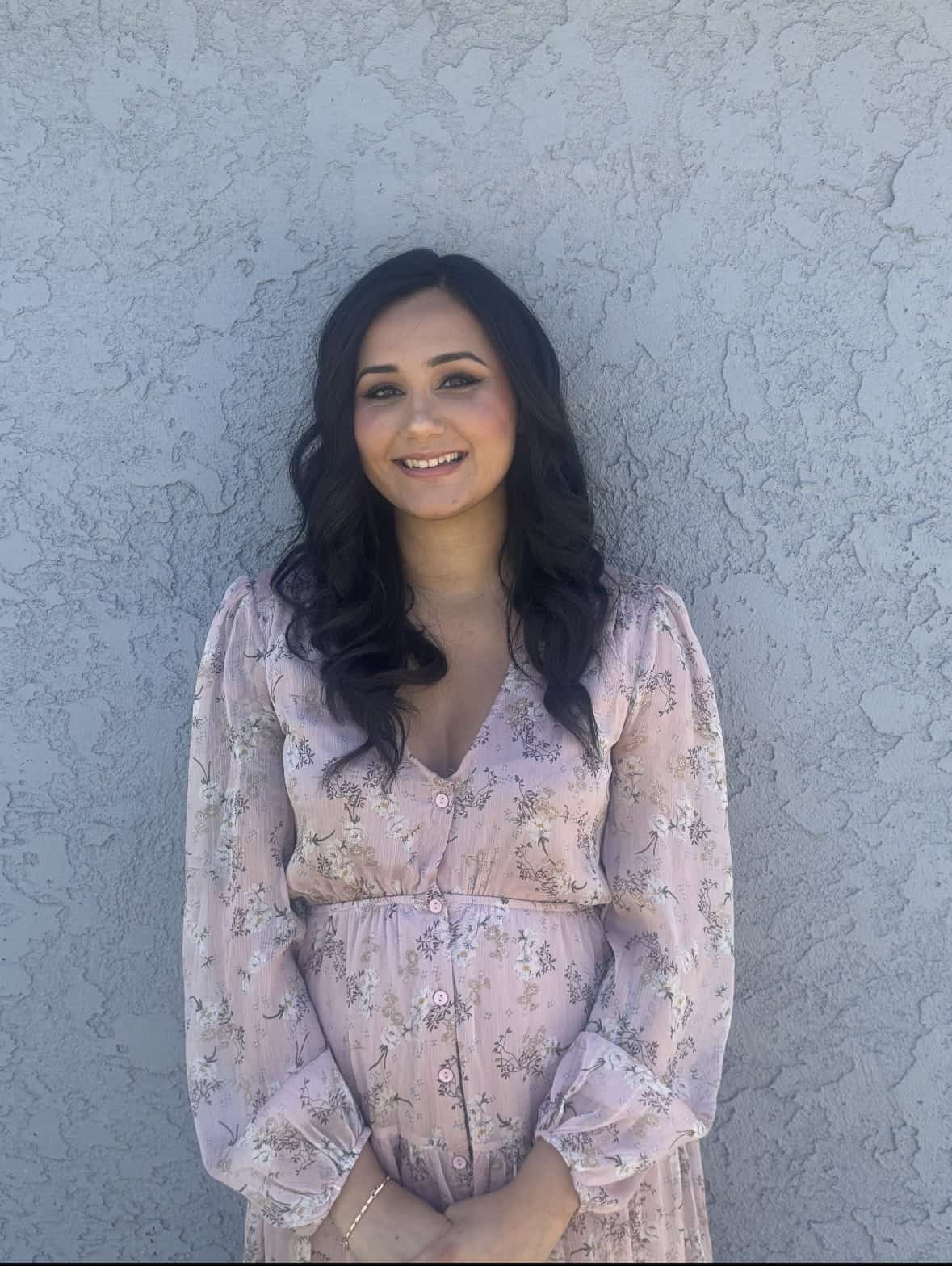
Rachel Handa, Clinical Director
Clinical Director & Therapist