Key Takeaways
- Women develop substance use disorders faster than men through a phenomenon called telescoping, progressing from first use to dependence more rapidly.
- Trauma, particularly sexual abuse and domestic violence, is a central factor in women's addiction that requires specialized therapeutic approaches.
- Gender-specific treatment creates a safe environment for women to address sensitive issues without the dynamics present in mixed-gender groups.
- Parenting concerns including custody, childcare, and pregnancy are critical treatment considerations for women.
- Trust SoCal offers gender-responsive programming that addresses the specific clinical needs of women in recovery.
Why Women Need Specialized Addiction Treatment
The biological, psychological, and social factors that drive addiction differ significantly between men and women, and treatment that fails to account for these differences produces suboptimal outcomes. Women metabolize alcohol and many drugs differently than men due to body composition, hormonal factors, and enzyme activity differences. This means that women can develop physical dependence faster and experience more severe health consequences at lower levels of consumption.
The psychological landscape of women's addiction is shaped by factors that are less prevalent in men's addiction. Studies consistently show that women entering addiction treatment report higher rates of childhood sexual abuse, domestic violence, and other interpersonal trauma. Women are more likely to use substances to cope with emotional pain, relationship difficulties, and the demands of caretaking roles. Depression and anxiety co-occur with substance use disorders at higher rates in women than in men.
Social stigma around women's substance use is also more intense than that directed at men. Women who drink excessively or use drugs are judged more harshly than their male counterparts, and mothers with addiction face particular shame and legal consequences. This stigma can be a significant barrier to seeking treatment, making it essential that treatment environments feel safe, non-judgmental, and understanding of women's specific experiences.
Trauma-Informed Care for Women
Trauma is the central thread running through many women's addiction stories. Research indicates that 55 to 99 percent of women in addiction treatment report a history of trauma, with childhood sexual abuse and intimate partner violence being the most common forms. The relationship between trauma and substance use is bidirectional: trauma increases vulnerability to addiction, and addiction increases vulnerability to further traumatic experiences.
Effective women's treatment programs integrate trauma-informed care throughout every aspect of programming. This means that staff understand the prevalence and impact of trauma, the physical environment feels safe and non-threatening, clinical approaches avoid re-traumatization, and specific trauma therapies are available for women who are ready to process traumatic experiences.
Evidence-based trauma therapies used in women's addiction treatment include EMDR (Eye Movement Desensitization and Reprocessing), Seeking Safety, prolonged exposure therapy, and cognitive processing therapy. These approaches help women process traumatic memories, reduce PTSD symptoms, and develop healthier coping strategies that do not involve substance use.
Trust SoCal incorporates trauma-informed principles throughout its treatment programming and offers EMDR and other evidence-based trauma therapies for women and men alike. Their clinical team includes therapists with specialized training in the intersection of trauma and addiction.
Parenting and Motherhood in Recovery
For many women, parenting concerns are the most significant barrier to entering treatment and the most powerful motivator for sustained recovery. Fear of losing custody, inability to arrange childcare, guilt about leaving children, and concerns about the impact of absence on their children prevent many mothers from seeking the treatment they desperately need.
Women's rehab programs that address parenting concerns directly remove these barriers and harness the motivation of motherhood to strengthen recovery. Some programs offer on-site childcare or allow children to reside with their mothers during treatment. Others provide parenting skills training, supervised visitation coordination, and legal advocacy related to custody proceedings.
Pregnant women with substance use disorders require specialized medical and clinical attention. Substances including alcohol, opioids, benzodiazepines, and stimulants pose risks to fetal development, and abrupt discontinuation of some substances can also harm the pregnancy. Medical detox for pregnant women requires careful management by physicians experienced in both addiction medicine and maternal-fetal medicine.
- Programs that accommodate children or provide on-site childcare remove a major barrier to treatment
- Parenting skills training helps women rebuild confidence and competence as mothers
- Legal advocacy can help women navigate custody proceedings while in treatment
- Pregnant women require specialized medical management during detox and treatment
- Postpartum support addresses the unique vulnerability to relapse during the early motherhood period
Relationship Dynamics and Recovery
Women's substance use is often deeply intertwined with their intimate relationships. Women are more likely than men to have been introduced to drugs by a romantic partner, to use substances in the context of relationships, and to face opposition from partners when they attempt to get sober. Some women are in relationships with partners who actively undermine their recovery efforts, whether through continued substance use, emotional manipulation, or domestic violence.
Gender-specific treatment provides a space where women can honestly examine their relationship patterns without the social dynamics that often arise in mixed-gender therapy groups. Women in same-gender groups are more likely to discuss experiences of abuse, codependency, and unhealthy relationship patterns openly. They can receive feedback and support from peers who share similar experiences without the pressure to perform or protect themselves that can occur when men are present.
Treatment programs that address relationship dynamics help women develop the skills to establish healthy boundaries, identify red flags in relationships, build self-worth independent of romantic partnerships, and create support networks that reinforce their recovery rather than threatening it.
Finding Women's Treatment Programs in Riverside County
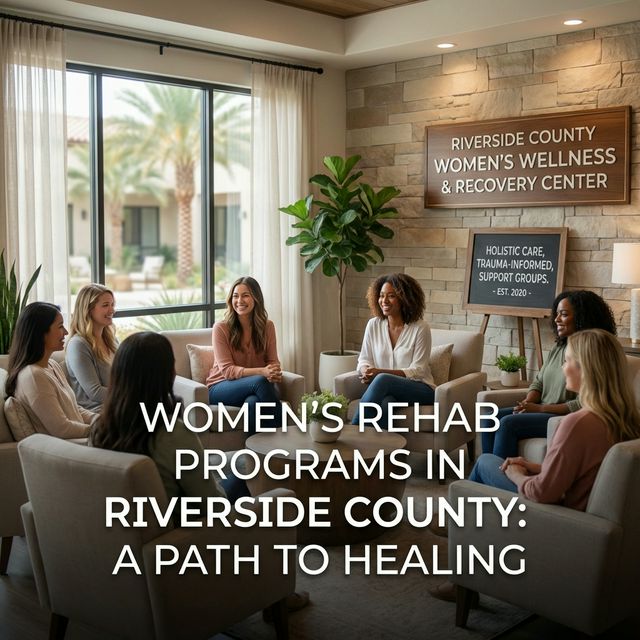
Riverside County offers several options for women seeking gender-specific addiction treatment. Some programs operate exclusively for women, while others offer women-only tracks within co-ed facilities. When evaluating programs, look for those with therapists trained in women's addiction issues, trauma-informed clinical approaches, attention to parenting and family needs, and a safe, supportive environment that understands women's unique recovery challenges.
The Riverside University Health System Behavioral Health department can connect women with county-funded treatment options, and several private facilities in the region offer gender-responsive programming. Trust SoCal in Fountain Valley provides gender-responsive treatment that addresses the specific clinical needs of women including trauma processing, relationship dynamics, parenting concerns, and co-occurring mental health conditions.
For women in Riverside County seeking treatment, the first step is a confidential phone call to a provider who understands your needs. Trust SoCal's admissions team at (949) 280-8360 provides compassionate, judgment-free guidance for women exploring their treatment options.

Rachel Handa, Clinical Director
Clinical Director & Therapist