
Overview
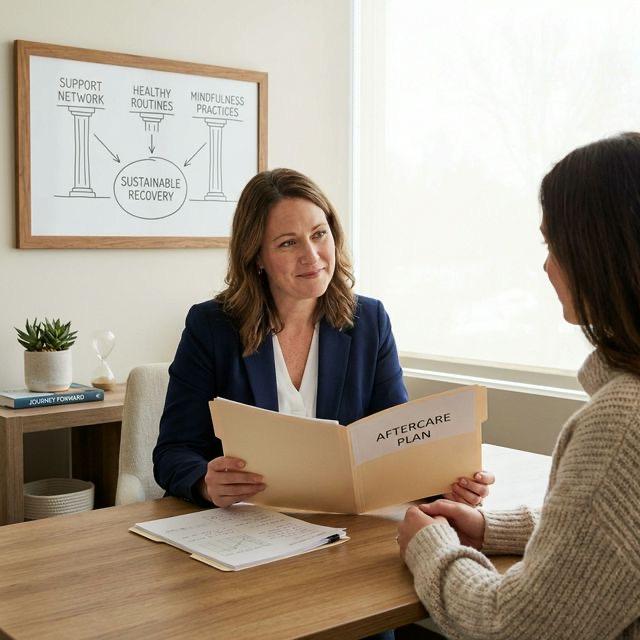
Completing a formal addiction treatment program is a significant accomplishment, but it is not the end of the recovery journey. In fact, the transition from structured treatment back to daily life is one of the most vulnerable periods in recovery, and the quality of an individual's aftercare plan can determine whether the gains made during treatment are maintained or lost. Aftercare refers to the ongoing support services, practices, and structures that help individuals sustain their recovery after completing a primary treatment program such as residential care, PHP, or IOP. At Trust SoCal, we consider aftercare planning to be as important as any other component of treatment, and we begin the planning process from the earliest days of a client's stay. Our JCAHO-accredited program provides comprehensive aftercare services including alumni groups, ongoing therapy referrals, sober living coordination, relapse prevention planning, and regular check-ins with clinical staff. Research consistently demonstrates that individuals who engage in structured aftercare following formal treatment have significantly higher rates of sustained sobriety, better mental health outcomes, and improved quality of life compared to those who do not. This guide outlines the essential components of an effective aftercare plan, explains why each element matters, and provides practical guidance for building a personalized aftercare strategy that supports long-term recovery. Whether you are currently in treatment and approaching discharge, have recently completed a program, or are helping a loved one plan their transition, this resource will help ensure that the hard-won progress of treatment is protected and built upon. For information about Trust SoCal's aftercare services, call (949) 280-8360.