Overview
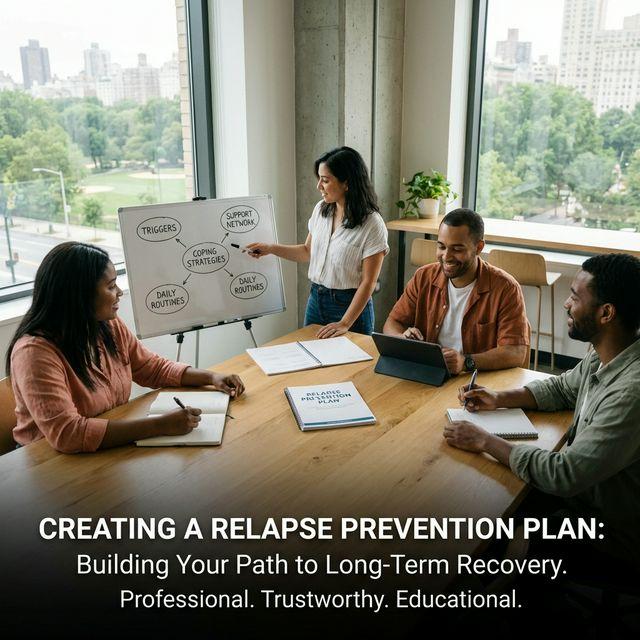
Relapse is one of the most feared and misunderstood aspects of addiction recovery. Research consistently shows that relapse rates for substance use disorders range from 40 to 60 percent, comparable to relapse rates for other chronic medical conditions such as diabetes, hypertension, and asthma. This comparison is important because it reframes relapse not as a failure of willpower or a sign that treatment has failed, but as a common and manageable aspect of a chronic condition that requires ongoing attention and adjustment. A well-crafted relapse prevention plan is one of the most powerful tools available to individuals in recovery, providing a concrete, personalized roadmap for identifying triggers, managing cravings, maintaining healthy coping strategies, and knowing exactly what to do if warning signs of relapse begin to appear. At Trust SoCal, relapse prevention planning is integrated into every stage of our JCAHO-accredited treatment program, from the earliest days of residential care through discharge and aftercare. Our clinical team works with each client to develop a comprehensive, individualized relapse prevention plan that addresses their specific triggers, vulnerabilities, and support resources. This guide explains the science behind relapse, the stages of the relapse process, and provides a practical framework for building a relapse prevention plan that can be customized to your unique circumstances. If you or a loved one needs support in recovery, contact Trust SoCal at (949) 280-8360 to learn about our treatment programs and aftercare services.