Key Takeaways
- Scottsdale is home to numerous luxury and executive rehab programs, but affordable options including AHCCCS-funded treatment are also accessible in the area.
- The city's location along the Loop 101 and Pima Road corridor provides easy access to treatment facilities from across the East Valley.
- Scottsdale treatment centers frequently offer holistic and experiential therapies like equine therapy, adventure therapy, and desert meditation that leverage the natural landscape.
- Co-occurring disorder treatment is a particular strength of many Scottsdale-area programs, with dual-diagnosis expertise widely available.
- For residents who need geographic separation from their home environment, Southern California offers a clinically supported alternative just a short flight away.
Scottsdale's Role in the Arizona Treatment Landscape
Scottsdale occupies a unique position in Arizona's addiction treatment ecosystem. Known internationally for its resort culture, world-class spas, and upscale lifestyle, the city has naturally attracted a high concentration of luxury and executive rehab facilities. However, framing Scottsdale solely as a luxury treatment destination does a disservice to the full range of services available. The city and its immediate surroundings offer programs at every price point and level of care.
Geographically, Scottsdale stretches from Tempe and the Salt River Pima-Maricopa Indian Community in the south to Carefree and Cave Creek in the north, bisected by the Loop 101 Pima Freeway and Scottsdale Road. This north-south axis hosts dozens of treatment facilities, from medical offices offering MAT to sprawling residential campuses with resort-like amenities. The HonorHealth system, which operates Scottsdale Osborn and Scottsdale Shea medical centers, provides behavioral health services including substance abuse assessments and referrals.
The Scottsdale treatment market draws clients not only from the local area but from across the country. This has driven a competitive environment where facilities invest heavily in clinical quality, amenities, and outcomes measurement. For local residents, this means access to some of the most well-resourced treatment programs in Arizona, though navigating the options can be overwhelming without guidance.
Types of Treatment Programs in Scottsdale
Scottsdale offers the full ASAM continuum of care, from medical detox through long-term aftercare. The concentration of private-pay and insurance-based facilities is higher here than in most other parts of the Phoenix metro, which means more choice but also a greater need for careful evaluation. Below is an overview of the primary treatment modalities available in the Scottsdale area.
It is worth noting that many Scottsdale facilities have moved toward integrated treatment models that address substance use disorders alongside mental health conditions like depression, anxiety, PTSD, and trauma. This dual-diagnosis approach is supported by extensive research and reflects the reality that most individuals seeking addiction treatment have co-occurring conditions that must be treated simultaneously for lasting recovery.
Luxury and Executive Residential Programs
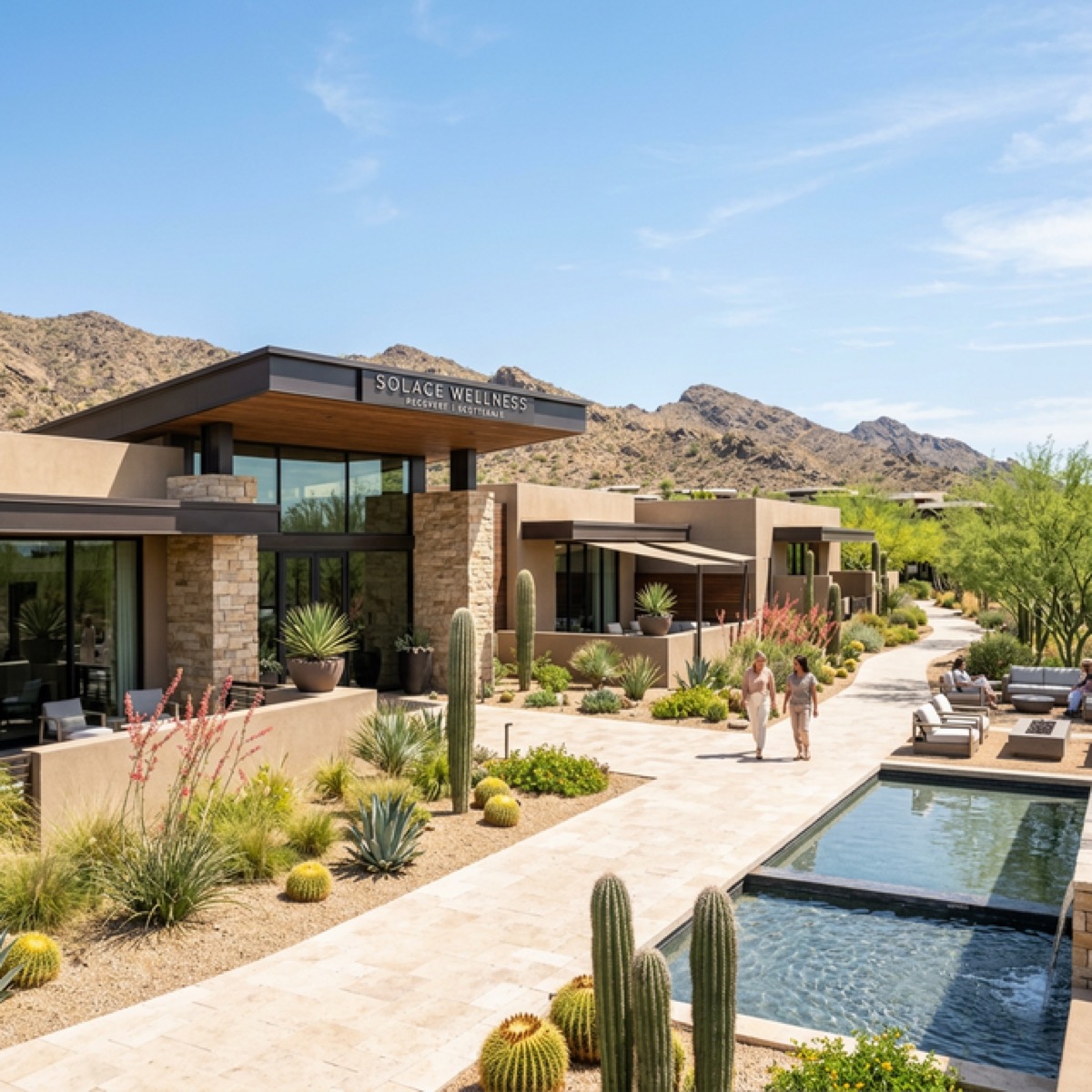
Scottsdale's luxury rehab programs are among the most well-known in the country. These facilities typically offer private or semi-private rooms, gourmet meals, fitness centers, pools, and a high staff-to-client ratio. Clinical programming includes individual therapy (often daily), group sessions, psychiatric care, and a range of holistic modalities. Executive programs add features like private workspaces, phone and internet access, and flexible scheduling to accommodate ongoing professional responsibilities.
- Private accommodations with resort-style amenities in desert settings
- Staff-to-client ratios often as low as 1:3 or 1:4
- Specialized tracks for executives, professionals, and first responders
- Holistic offerings including equine therapy, desert hiking, yoga, and meditation
- Typical costs range from $30,000 to $100,000+ for a 30-day program
Evidence-Based Outpatient Clinics
For individuals who do not require residential care or who are stepping down from a higher level of treatment, Scottsdale has numerous outpatient options. PHP and IOP programs meet at facilities along the Scottsdale Road corridor, the Airpark area, and near the Loop 101 interchanges. These programs provide structured therapy while allowing clients to live at home or in sober living.
- PHP programs meeting 5-6 days per week for 6+ hours daily
- IOP programs with morning, afternoon, and evening tracks for scheduling flexibility
- MAT clinics offering buprenorphine and naltrexone prescriptions with counseling
- Specialized outpatient tracks for young adults, professionals, and families
The Cost of Treatment in Scottsdale and How to Pay
The cost of addiction treatment in Scottsdale varies enormously depending on the type of program. Luxury residential programs command premium prices, often $30,000 to $100,000 or more for a 30-day stay. However, many insurance-based residential programs in the area cost significantly less out of pocket once insurance coverage is applied. Outpatient programs like IOP may cost $5,000 to $15,000 for a full course of treatment before insurance.
Most major commercial insurance plans, including those from Blue Cross Blue Shield, Aetna, Cigna, and UnitedHealthcare, are accepted by Scottsdale-area facilities. AHCCCS also covers treatment at certain facilities in and near Scottsdale, though the number of AHCCCS-accepting luxury facilities is limited. Mercy Care, the RBHA for Maricopa County, can help AHCCCS members find covered treatment options.
Financial assistance, scholarships, and payment plans are available at many facilities. Do not assume that treatment is out of reach because of cost. A thorough benefits verification, which most facilities will perform for free, can reveal coverage you did not know you had.
Request a detailed benefits verification from any facility you are considering. This should include your deductible status, out-of-pocket maximum, covered levels of care, and any prior authorization requirements. Trust SoCal offers free insurance verification by calling (949) 280-8360.
Holistic and Experiential Therapies Unique to the Scottsdale Area
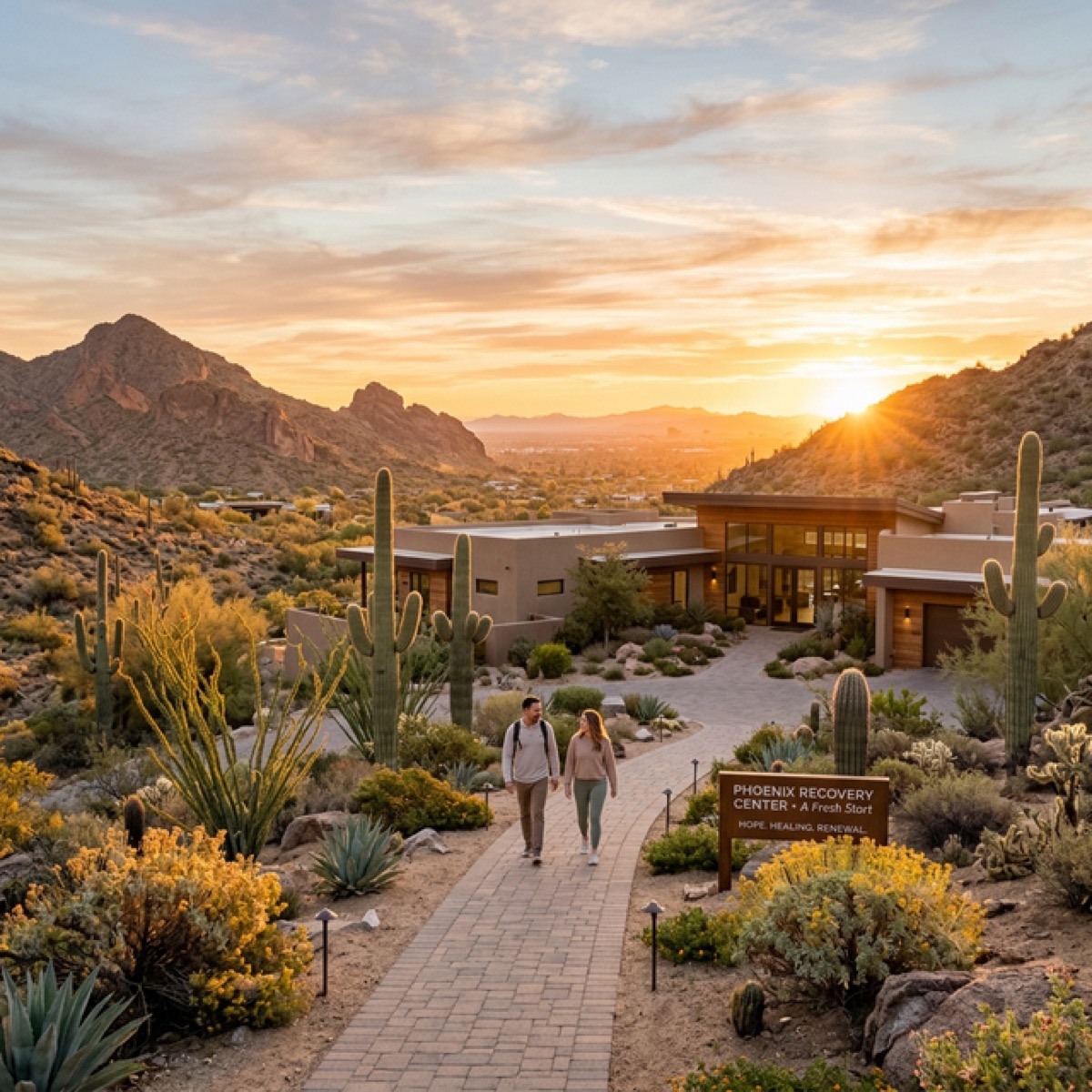
One of the distinct advantages of treatment in Scottsdale is the availability of holistic and experiential therapies that leverage the Sonoran Desert environment. The dramatic landscape of saguaro cacti, red-rock formations, and wide-open skies provides a natural backdrop for healing that many clients find deeply therapeutic. Several programs incorporate outdoor and nature-based activities as core components of their treatment philosophy.
Equine-assisted therapy is particularly popular in the Scottsdale area, with several programs partnering with local ranches and equestrian centers in north Scottsdale and the Rio Verde Foothills. Adventure therapy, including guided desert hikes in the McDowell Sonoran Preserve and rock climbing at local formations, is offered by programs that emphasize physical wellness alongside psychological healing.
While these modalities should always complement (not replace) evidence-based clinical treatment like CBT, DBT, and trauma-focused therapy, research supports their role in building self-efficacy, emotional regulation, and interpersonal skills. When evaluating a Scottsdale program, ask how holistic therapies are integrated with the clinical curriculum rather than treated as add-ons.
The McDowell Sonoran Preserve, one of the largest urban preserves in the country at over 30,000 acres, is used by several Scottsdale treatment programs for guided therapeutic hikes and mindfulness exercises in nature.
Co-Occurring Disorders and Dual-Diagnosis Treatment
Scottsdale has developed a particular strength in treating co-occurring disorders, sometimes called dual diagnosis. This refers to the simultaneous presence of a substance use disorder and one or more mental health conditions such as depression, anxiety, bipolar disorder, PTSD, or an eating disorder. Research from SAMHSA consistently shows that approximately half of all individuals with a substance use disorder also have a co-occurring mental health condition.
Many Scottsdale facilities employ psychiatrists, psychologists, and licensed therapists who specialize in integrated treatment, addressing both the addiction and the mental health condition within a unified treatment plan. This approach recognizes that treating one without the other often leads to relapse. Programs in the area frequently use trauma-informed care models, EMDR, neurofeedback, and comprehensive psychiatric evaluation as part of their dual-diagnosis offerings.
Aftercare and Continuing Recovery in the Scottsdale Community
Completing a primary treatment program is a critical milestone, but lasting recovery requires ongoing support. Scottsdale has a robust recovery community that includes 12-step meetings (AA and NA), SMART Recovery groups, faith-based recovery programs, and alumni networks maintained by local treatment centers. The density of meetings in the Scottsdale area means that multiple options are available on any given day.
Sober living homes in Scottsdale range from modest shared houses to upscale residences with amenities. Arizona does not have a mandatory licensing requirement for all sober living homes, but the Arizona Certification Board of Addiction Counselors (ACBAC) and organizations like the National Alliance for Recovery Residences (NARR) provide voluntary certification standards. Choosing a certified or accredited sober living home significantly reduces the risk of ending up in a poorly run environment.
For individuals who completed treatment out of state, returning to Scottsdale with a strong aftercare plan is essential. Trust SoCal works with clients from Arizona to develop detailed continuing care plans that include local therapist referrals, meeting schedules, sober living recommendations, and regular check-ins during the critical first year of recovery. Call (949) 280-8360 to learn about Trust SoCal's aftercare coordination for Arizona residents.
When Scottsdale Residents Should Consider Out-of-State Treatment
While Scottsdale offers excellent treatment options, there are situations where seeking care outside of Arizona makes clinical sense. If you have relapsed after attending a local program, if your social network in the area is heavily entangled with substance use, or if you simply need a clean break from your current environment, out-of-state treatment can provide the physical and psychological distance needed for a fresh start.
Southern California, and Orange County in particular, is the most common out-of-state destination for Scottsdale residents seeking addiction treatment. The region offers a comparable climate, a massive and well-established recovery community, and hundreds of licensed treatment facilities. Trust SoCal, located at 16537 Elm Cir, Fountain Valley, CA 92708, specializes in helping Arizona residents transition to treatment in a supportive Southern California environment.
The trip from Scottsdale to Orange County is straightforward: a direct flight from Phoenix Sky Harbor or Scottsdale Airport to John Wayne Airport (SNA) takes approximately 75 minutes. Trust SoCal can arrange airport pickup and help coordinate every aspect of the transition. If you are considering whether out-of-state treatment is right for you, call (949) 280-8360 for a confidential consultation.
Sometimes the most important thing you can do for your recovery is put distance between yourself and the life that fueled your addiction. A new environment does not solve everything, but it can give you the space to build something different.
Kristin Stevens, LCSW
Licensed Clinical Social Worker