Key Takeaways
- Phoenix offers a wide range of rehab options including medical detox, residential treatment, partial hospitalization, and intensive outpatient programs across Maricopa County.
- AHCCCS (Arizona Medicaid) covers substance abuse treatment for qualifying residents, making rehab accessible regardless of income level.
- Arizona DHS licenses all treatment facilities in the state, and verifying a center's licensure is an essential first step before enrolling.
- The Phoenix metro area has over 300 licensed treatment providers, but waitlists and capacity issues can delay access to care.
- Some Phoenix residents choose to travel to Southern California for rehab to gain distance from triggers and access specialized programs not available locally.
Understanding Addiction in the Phoenix Metro Area
Phoenix and the greater Maricopa County region are home to nearly 4.5 million residents, making it one of the fastest-growing metropolitan areas in the country. With that growth has come a corresponding rise in substance abuse issues, particularly involving opioids, methamphetamine, and alcohol. According to the Arizona Department of Health Services, Maricopa County consistently reports the highest number of opioid-related overdose deaths in the state, with fentanyl overtaking heroin as the primary driver since 2019.
The city's sprawling geography, stretching from the I-10 corridor in the south to the Loop 101 in the north, means that access to treatment can vary significantly depending on where someone lives. Residents in areas like South Phoenix, Maryvale, and parts of west Phoenix often face longer travel times to reach quality treatment facilities, while the Scottsdale and Tempe corridors tend to have a higher concentration of private rehab centers.
Understanding the local landscape of addiction is the first step toward finding the right treatment. Whether you or a loved one is struggling with prescription painkillers, methamphetamine, alcohol, or polysubstance use, Phoenix has resources available. The challenge is navigating the system effectively and finding a program that matches your clinical needs, financial situation, and personal recovery goals.
Maricopa County reported over 2,800 suspected opioid deaths in 2024, a slight decrease from the prior year but still reflecting a crisis-level situation that demands accessible, high-quality treatment options.
Types of Drug Rehab Programs Available in Phoenix
Phoenix offers the full continuum of care for addiction treatment, from emergency medical detox through long-term aftercare and sober living. Understanding each level of care is critical to making an informed decision about where to begin your recovery journey. The American Society of Addiction Medicine (ASAM) criteria guide clinical placements, and most reputable Phoenix-area facilities use these standards to determine the appropriate intensity of treatment.
The major hospital systems in Phoenix, including Banner Health, Dignity Health (now CommonSpirit), and HonorHealth, all offer some form of behavioral health and substance abuse services. Banner Behavioral Health Hospital near the I-17 and Northern Avenue intersection provides acute psychiatric and substance abuse stabilization, while the Crisis Response Network operates the region's crisis hotline and can direct callers to appropriate detox and treatment resources.
Medical Detox
Medical detoxification is the first step for individuals physically dependent on substances like opioids, alcohol, or benzodiazepines. In Phoenix, medical detox is available at both hospital-based programs and standalone detox facilities. The process typically lasts 3 to 10 days depending on the substance and severity of dependence. Facilities like Community Bridges Inc. (CBI) and Valle del Sol operate detox beds throughout the metro area.
- Medically supervised withdrawal management with 24/7 nursing care
- Medication-assisted treatment (MAT) using buprenorphine, methadone, or naltrexone for opioid dependence
- Psychiatric evaluation and stabilization for co-occurring mental health conditions
- Transition planning to residential or outpatient treatment upon completion
Residential and Inpatient Treatment
Residential treatment programs in Phoenix range from 30 to 90 days and provide a structured, live-in environment where clients focus entirely on their recovery. These programs are ideal for individuals with severe addictions, co-occurring disorders, or those who have relapsed after outpatient treatment. Facilities are spread across the metro area, with notable clusters near the Camelback corridor and in the East Valley along the Loop 202.
- Individual and group therapy sessions daily
- Evidence-based approaches including CBT, DBT, and motivational interviewing
- Holistic therapies such as yoga, meditation, art therapy, and equine therapy at select facilities
- Family programming and visitation to support the broader recovery ecosystem
- Discharge planning with step-down referrals to PHP, IOP, or sober living
Outpatient Programs (PHP, IOP, and Standard OP)
Outpatient programs allow individuals to live at home or in sober living while attending structured treatment sessions. Partial hospitalization programs (PHP) typically meet 5 to 6 days per week for 6 or more hours per day, while intensive outpatient programs (IOP) meet 3 to 5 days per week for 3 to 4 hours. Standard outpatient care may involve weekly individual therapy and group sessions. These options are widely available along the major corridors of Phoenix, Tempe, Mesa, and Chandler.
- PHP provides near-residential intensity while allowing clients to return home each evening
- IOP is appropriate for step-down from residential or for individuals with stable living situations
- Standard outpatient works well for maintenance and long-term relapse prevention
- Many outpatient programs offer evening and weekend sessions for working professionals
How to Pay for Rehab in Phoenix: Insurance and AHCCCS
One of the biggest barriers to treatment in Phoenix is the perceived cost of rehab. However, multiple pathways exist to fund treatment, and no one should avoid seeking help due to financial concerns. Most private insurance plans, including those obtained through the Health Insurance Marketplace, are required under the Mental Health Parity and Addiction Equity Act to cover substance abuse treatment at the same level as other medical care.
AHCCCS, Arizona's Medicaid program, is one of the most comprehensive state Medicaid programs in the country when it comes to behavioral health coverage. AHCCCS covers medical detox, residential treatment, outpatient therapy, MAT, and even some sober living arrangements. Eligibility is based on income and household size, and many individuals who are unemployed or underemployed due to their addiction will qualify. Regional Behavioral Health Authorities (RBHAs) like Mercy Care administer AHCCCS behavioral health services in Maricopa County.
For those without insurance or Medicaid eligibility, several Phoenix-area nonprofits offer sliding-scale or no-cost treatment. Organizations like the Salvation Army Adult Rehabilitation Center, Crossroads Inc., and Native Health provide accessible services. Additionally, SAMHSA's national helpline (1-800-662-4357) can connect callers with local resources regardless of ability to pay.
If you have private insurance, call the number on the back of your card and ask specifically about "substance use disorder treatment benefits." Request details about in-network providers, prior authorization requirements, and any limits on the number of covered days for residential or outpatient care.
Arizona DHS Licensing and How to Verify a Treatment Center
The Arizona Department of Health Services (ADHS) is responsible for licensing all behavioral health treatment facilities in the state. This includes residential treatment centers, outpatient clinics, detox facilities, and sober living homes that provide clinical services. Licensing ensures that facilities meet minimum standards for safety, staffing, clinical protocols, and patient rights.
Before enrolling in any treatment program in Phoenix, it is essential to verify that the facility holds a current ADHS license. You can search the ADHS Provider & Facility Database online or call the ADHS licensing division directly. Additionally, look for accreditation from national bodies such as The Joint Commission (TJC) or the Commission on Accreditation of Rehabilitation Facilities (CARF), which indicate a higher standard of care.
Unfortunately, the rapid growth of the treatment industry in Arizona has attracted some bad actors. There have been documented cases of unlicensed sober homes, patient brokering, and insurance fraud in the Phoenix area. Protecting yourself means doing due diligence: verify licensure, read reviews, ask for outcome data, and be cautious of any facility that offers financial incentives to enroll.
Be wary of any rehab facility that offers free rent, gift cards, or other financial incentives to enroll. Patient brokering is illegal in Arizona under A.R.S. 36-2939 and is a strong indicator that the facility prioritizes insurance billing over quality care.
Key Neighborhoods and Areas for Treatment in Greater Phoenix
The Phoenix metro area is vast, covering over 14,000 square miles across Maricopa County. Treatment facilities are distributed across the region, but certain areas have higher concentrations of rehab services. Understanding the geography can help you find a program that is convenient or, conversely, one that provides healthy distance from your usual environment.
Central Phoenix along the I-17 corridor, particularly between Camelback Road and Dunlap Avenue, hosts a significant number of outpatient clinics and some residential facilities. The Arcadia and Biltmore neighborhoods in northeast Phoenix are home to several upscale private treatment centers. Tempe and Mesa, accessible via the Loop 202 and US-60, have a growing number of treatment options catering to the East Valley population. Scottsdale, discussed in more detail in our companion article, is known for luxury and executive treatment programs.
West Valley Options
The West Valley, including Glendale, Peoria, Surprise, and Goodyear, has seen rapid residential growth but has not kept pace in terms of treatment infrastructure. Residents in these areas often need to travel east along the Loop 101 or I-10 to access quality programs. However, Community Bridges Inc. operates several West Valley locations, and new outpatient clinics have opened in Goodyear and Buckeye in recent years.
- Community Bridges Glendale and Peoria locations offer detox and outpatient services
- Banner Behavioral Health accepts West Valley patients for acute stabilization
- Telehealth options have expanded access for West Valley residents since 2020
East Valley Options
The East Valley, encompassing Tempe, Mesa, Chandler, Gilbert, and Queen Creek, has a more robust treatment landscape. Mesa in particular has several well-established residential and outpatient programs. The area is easily accessible via the Loop 202, Loop 101, and US-60, making it a viable option for residents across the metro area.
- A New Leaf and Marc Community Resources operate multiple East Valley locations
- Mesa's Main Street corridor has several outpatient and MAT clinics
- Chandler and Gilbert have seen new IOP and PHP programs open to serve the growing population
Why Some Phoenix Residents Choose Out-of-State Treatment
Despite the many treatment options available in Phoenix, a significant number of Arizona residents choose to seek addiction treatment out of state, particularly in Southern California. There are several valid clinical and practical reasons for this decision. For many people, remaining in the same city where their addiction developed makes early recovery more difficult. The proximity to old friends, dealers, and familiar environments can undermine even the best treatment program.
Southern California, and specifically Orange County, has one of the highest concentrations of licensed, accredited treatment facilities in the nation. The mild climate, proximity to the coast, and well-established recovery community make it an attractive destination for Arizonans seeking a fresh start. Trust SoCal, located at 16537 Elm Cir, Fountain Valley, CA 92708, is one such facility that regularly serves clients from the Phoenix metro area.
Traveling to California for treatment is easier than many people assume. Phoenix Sky Harbor International Airport offers dozens of daily flights to John Wayne Airport (SNA) and Los Angeles International Airport (LAX), with flight times under two hours. Many treatment centers, including Trust SoCal, offer assistance with travel logistics and can coordinate airport pickups for new clients. Call (949) 280-8360 to learn more about how Trust SoCal supports Arizona residents seeking treatment in Southern California.
Trust SoCal in Fountain Valley, CA is approximately a 75-minute flight from Phoenix Sky Harbor Airport. Many Arizona residents find that the geographic separation from their home environment is a crucial factor in their early recovery success.
Taking the First Step: How to Start Your Recovery in Phoenix
Beginning the journey to recovery can feel overwhelming, but the most important thing is to take the first step. If you or someone you love is struggling with addiction in the Phoenix metro area, start by reaching out to a qualified treatment provider for a clinical assessment. This assessment will help determine the appropriate level of care based on the severity of the addiction, co-occurring mental health conditions, medical history, and social support system.
You can start by calling your insurance company to understand your benefits, contacting AHCCCS if you believe you may qualify for Medicaid, or reaching out directly to a treatment center for a confidential consultation. If you are interested in exploring out-of-state treatment options in Southern California, Trust SoCal offers free, confidential phone assessments and can verify your insurance benefits within minutes. Call (949) 280-8360 to speak with an admissions counselor today.
Recovery is possible, and it happens every day in Phoenix and across Arizona. Whether you choose a local program or decide that a fresh start in a new environment is the right path for you, the most important decision is the one to seek help. Do not let fear, stigma, or logistical concerns prevent you from getting the treatment you deserve.
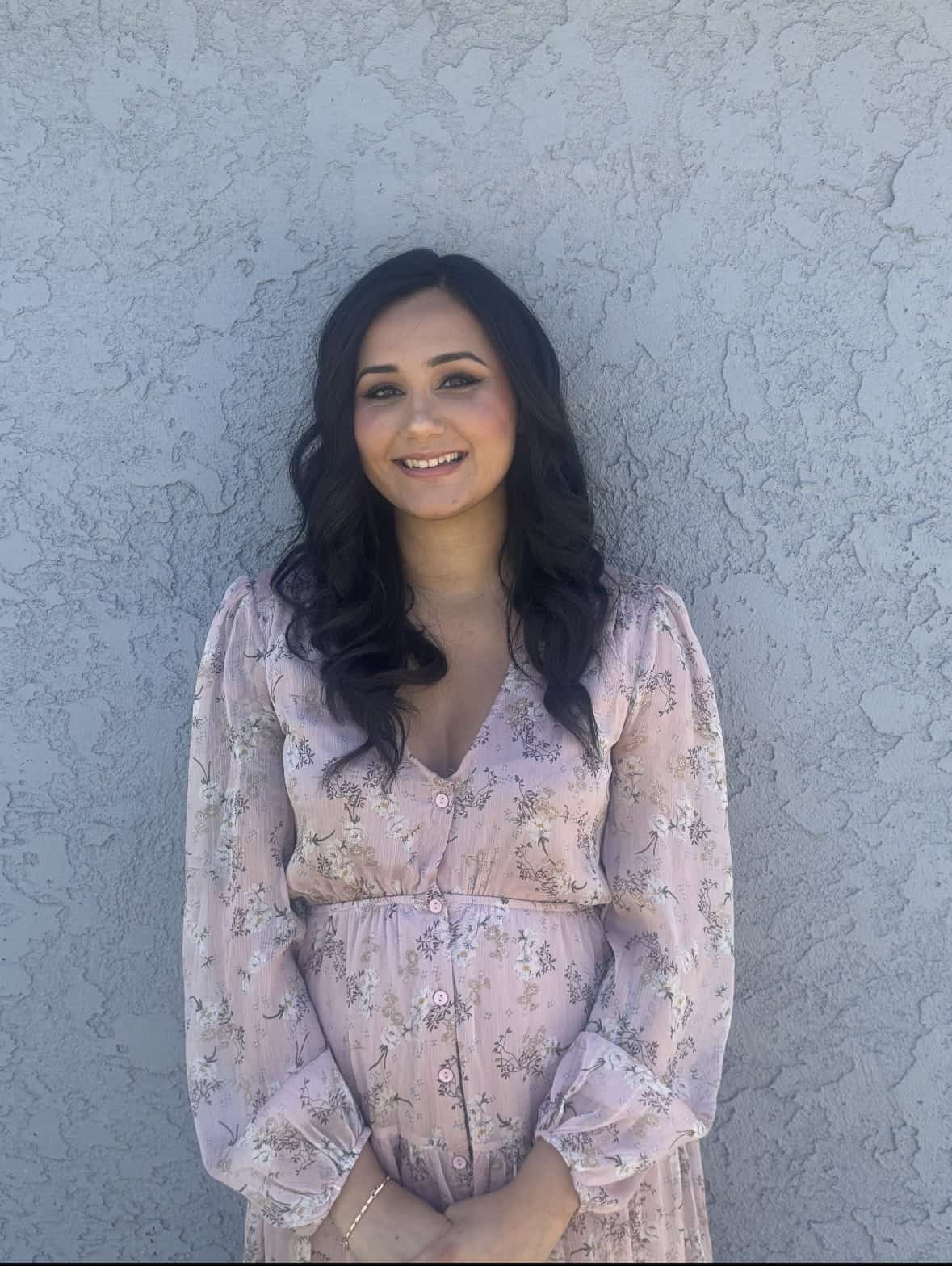
Rachel Handa, Clinical Director
Clinical Director & Therapist