Key Takeaways
- Older adults reach higher blood alcohol concentrations from the same amount due to age-specific metabolism changes in body water content and liver function.
- Late-onset alcoholism beginning after age 60 accounts for approximately one-third of elderly alcohol use disorders and often follows major life transitions.
- Alcohol interacts dangerously with over 150 commonly prescribed medications, and polypharmacy risks make even moderate drinking hazardous for most seniors.
- Medicare Part A covers inpatient detox, Part B covers outpatient counseling, and many Medicare Advantage plans provide extended treatment benefits.
- SAMHSA older adults guidelines recommend no more than one standard drink per day for adults over 65, with many experts recommending abstinence for those on medications.
- Trust SoCal provides age-sensitive alcohol treatment programs designed for the unique needs of Orange County seniors.
How Alcohol Affects the Aging Body Differently
The relationship between alcohol and aging is far more complex and dangerous than most people realize. As the body ages, its capacity to process and tolerate alcohol diminishes significantly. Reduced body water content means alcohol becomes more concentrated in the bloodstream. A 70-year-old consuming the same amount as a 30-year-old will reach a blood alcohol concentration 20 to 30 percent higher, simply due to age-specific metabolism changes in body composition.
Liver function decreases substantially with age, slowing the rate at which alcohol is cleared from the body. The enzyme alcohol dehydrogenase, responsible for breaking down ethanol, becomes less active with age. Combined with reduced liver blood flow, alcohol lingers in the system longer, exposing organs and the brain to toxic effects for extended periods.
At Trust SoCal in Orange County, we educate our senior patients about these physiological realities as part of our comprehensive treatment approach. Call (949) 280-8360 to learn more about our geriatric alcohol treatment program.
SAMHSA older adults guidelines recommend no more than one standard drink per day for healthy adults over 65 who take no medications. For seniors on any regular medications, many experts recommend complete abstinence.
Brain Vulnerability and Cognitive Effects
The aging brain is particularly vulnerable to alcohol's neurotoxic effects. Alcohol accelerates age-related cognitive decline and can cause or worsen dementia-like symptoms.
- Alcohol-related cognitive impairment is frequently misdiagnosed as Alzheimer's disease
- Even moderate drinking is associated with brain volume loss in adults over 65
- Alcohol disrupts sleep architecture, which is already compromised in older adults
- Wernicke-Korsakoff syndrome from thiamine deficiency is more common in elderly drinkers
Cardiovascular Impact
Recent research has challenged the assumption that moderate drinking is cardioprotective, particularly for older adults with existing cardiovascular conditions.
- Alcohol raises blood pressure and counteracts antihypertensive medications
- Arrhythmias including atrial fibrillation are more common in elderly drinkers
- Alcohol cardiomyopathy weakens heart muscle already compromised by aging
Bone Health and Fall Risk
Alcohol use in older adults dramatically increases the risk of falls and fractures, which are leading causes of disability and death in seniors.
- Alcohol reduces bone density, compounding age-related osteoporosis
- Impaired balance and coordination increase fall risk by 2 to 3 times
- Hip fractures in elderly drinkers carry a 20 to 30 percent one-year mortality rate
- Alcohol interferes with calcium absorption and vitamin D metabolism
Early-Onset vs. Late-Onset Elderly Alcoholism
Geriatric alcoholism is typically classified into two categories: early-onset, where the individual has a long history of problematic drinking, and late-onset, where alcohol misuse begins after age 60. Late-onset alcoholism accounts for approximately one-third of all elderly alcohol use disorders and is often triggered by major life transitions.
The distinction matters because late-onset drinkers generally have better treatment prognoses with stronger social supports, fewer years of damage, and more psychological flexibility.
Early-Onset Alcoholism in Seniors
Long-term drinkers who have carried their disorder into old age face challenges including extensive organ damage and deeply established patterns.
- Decades of exposure may have caused significant liver, brain, and cardiovascular damage
- Social networks may have been eroded over years of drinking
- Treatment resistance may be higher due to entrenched denial and normalization
- Co-occurring mental health conditions are more common and complex
Late-Onset Alcoholism Triggers
Understanding triggers for late-onset alcoholism helps families and clinicians intervene early when life transitions occur.
- Retirement and loss of professional identity and daily structure
- Death of a spouse or close friends leading to grief and isolation
- Onset of chronic pain or progressive disability
- Relocation to a new community with loss of social connections
Treatment Implications
Treatment approaches may differ based on onset timing, with late-onset cases often responding more quickly to intervention.
- Late-onset patients may need fewer sessions to achieve sustained recovery
- Early-onset patients benefit from longer treatment programs and more intensive support
- Both groups require medical monitoring for withdrawal and health complications
- Family dynamics and intervention strategies differ based on duration of the problem
Alcohol and Medication Interactions in Seniors
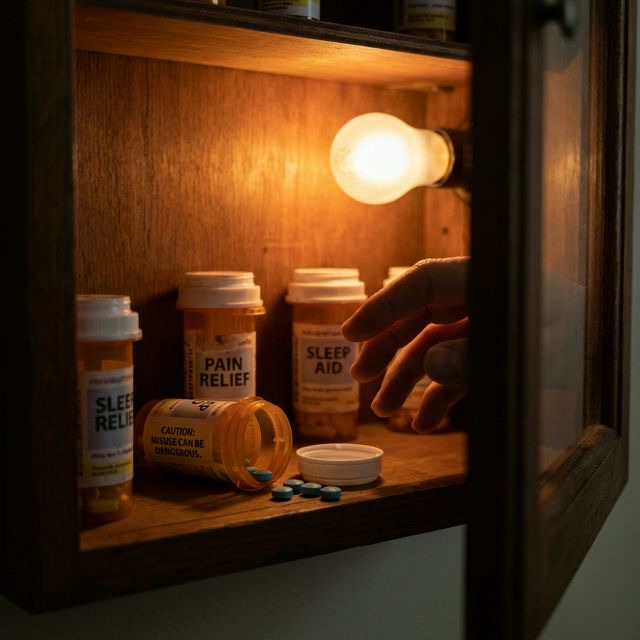
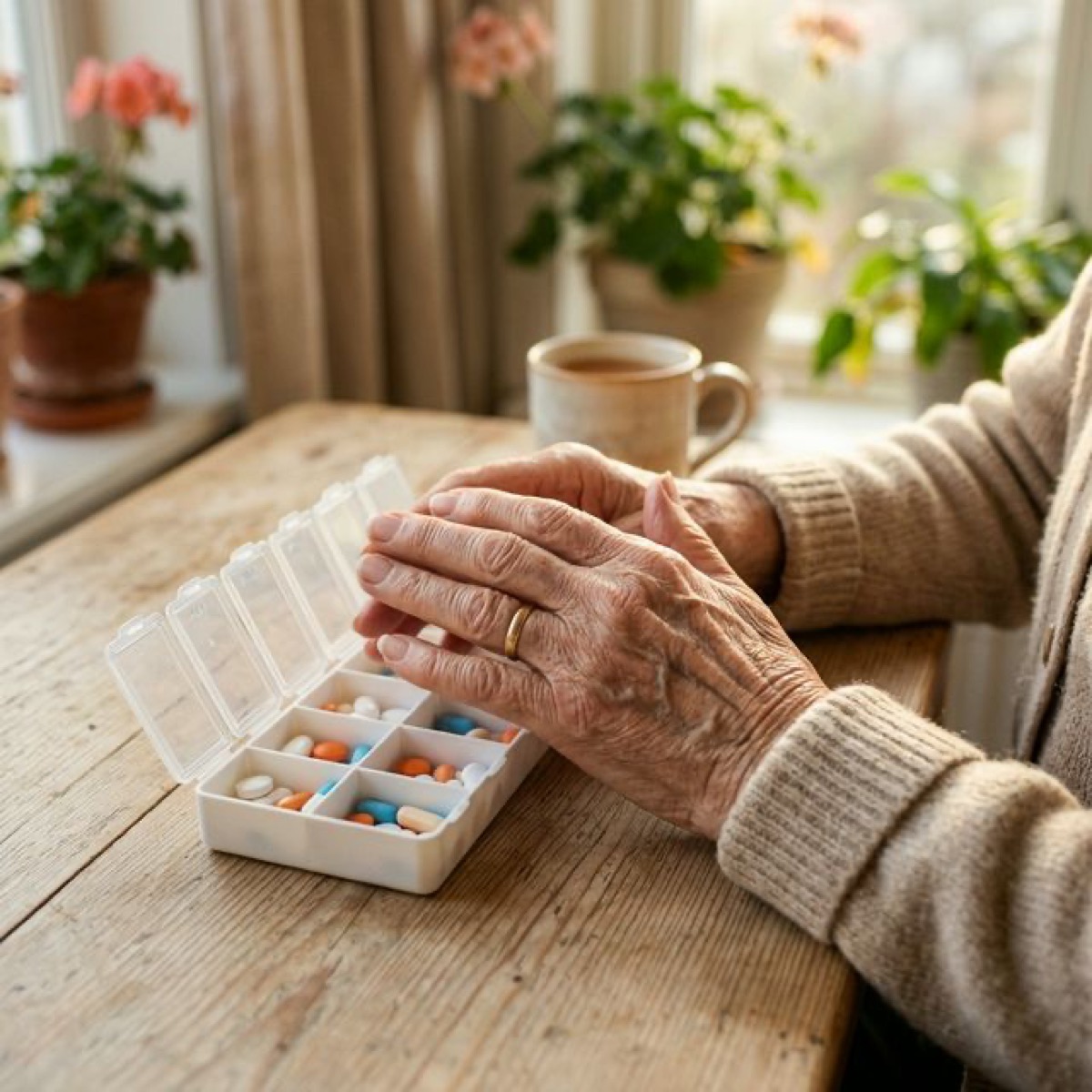
Alcohol interacts with over 150 commonly prescribed medications, and polypharmacy risks make this a critical concern for older adults. The average senior takes five to seven prescription medications, many of which have direct interactions with alcohol. Even one drink can trigger a dangerous reaction.
Because many seniors do not consider alcohol a drug, they may not mention their drinking habits to healthcare providers or consider the interaction potential. This information gap can have fatal consequences.
Alcohol interacts with over 150 commonly prescribed medications. Even one drink can cause a life-threatening reaction when combined with blood thinners, diabetes medications, or CNS depressants.
Dangerous Alcohol-Medication Combinations
Several classes of medications commonly prescribed to older adults have particularly dangerous interactions with alcohol.
- Warfarin and other blood thinners: alcohol increases bleeding risk and reduces clotting ability
- Metformin and other diabetes medications: alcohol can cause severe hypoglycemia or lactic acidosis
- Benzodiazepines and sleep medications: combined sedation can suppress breathing to fatal levels
- Opioid pain medications: respiratory depression risk multiplied dramatically
Over-the-Counter Medication Risks
Even common over-the-counter medications can interact dangerously with alcohol in seniors.
- Acetaminophen combined with alcohol increases liver damage risk
- Ibuprofen and aspirin combined with alcohol increase stomach bleeding risk
- Antihistamines combined with alcohol cause excessive sedation and fall risk
Herbal Supplement Interactions
Many seniors use herbal supplements alongside medications, adding another layer of complexity when alcohol is involved.
- St. John's Wort combined with alcohol can cause dangerous sedation
- Valerian root combined with alcohol amplifies CNS depression
- Kava combined with alcohol increases liver damage risk substantially
Screening and Diagnosis of Elderly Alcoholism
Standard alcohol screening tools were developed for younger populations and may miss problematic drinking in older adults. SAMHSA older adults guidelines recommend using the SMAST-G or other age-adapted instruments for more accurate assessment.
Healthcare providers play a crucial role in screening, yet many lack training in geriatric addiction assessment. At Trust SoCal, our intake process uses geriatric-specific screening instruments combined with comprehensive medical evaluation.
Barriers to Diagnosis
Multiple barriers prevent accurate diagnosis of alcohol use disorders in older adults.
- Symptoms of alcohol misuse mimic normal aging and common medical conditions
- Healthcare providers may not screen elderly patients for alcohol use
- Generational stigma makes older adults reluctant to report drinking habits
- Living alone reduces opportunities for others to observe problematic patterns
The Role of Family in Identification
Family members are often the first to notice changes that may indicate alcohol misuse, making their role critical.
- Monitor for behavioral changes during visits such as confusion or agitation
- Watch for physical signs including bruises from falls and neglected hygiene
- Pay attention to alcohol bottles, recycling patterns, and supply changes
- Note any medication adherence issues or missed medical appointments
When to Seek Professional Assessment
If you suspect an elderly loved one has an alcohol problem, a professional assessment is the essential first step. Call Trust SoCal at (949) 280-8360 for a free confidential assessment.
- Multiple falls or injuries in a short period warrant assessment
- Cognitive changes that fluctuate rather than progressively worsen suggest substance involvement
- Any hospital admission should include alcohol use screening
Medical Detoxification for Elderly Alcohol Dependence
Alcohol withdrawal in older adults is more dangerous and complicated than in younger populations. Age-specific metabolism changes mean withdrawal symptoms may be delayed in onset and prolonged in duration. Older adults are at higher risk for delirium tremens, seizures, and cardiovascular complications.
Medical supervision during alcohol detoxification is not optional for elderly patients. Trust SoCal provides around-the-clock medically supervised detoxification with protocols specifically adapted for older adults.
Alcohol withdrawal in adults over 65 carries a mortality rate of 5 to 15 percent without medical supervision. Never attempt to help an elderly person quit drinking without professional medical support.
Withdrawal Timeline in Older Adults
The timeline of alcohol withdrawal in older adults may differ from standard presentations, with symptoms potentially emerging later and persisting longer.
- 6 to 24 hours: anxiety, tremors, nausea, insomnia, increased heart rate
- 24 to 72 hours: peak withdrawal symptoms including potential seizures and hallucinations
- 3 to 7 days: gradual improvement with ongoing monitoring for delayed complications
- Weeks to months: protracted withdrawal symptoms including sleep disturbance and mood changes
Medication Protocols for Elderly Withdrawal
Withdrawal management medications must be carefully dosed for older adults, accounting for reduced metabolism and increased sensitivity.
- Benzodiazepines used at lower doses with extended monitoring intervals
- Thiamine and other B vitamins administered to prevent Wernicke-Korsakoff syndrome
- Electrolyte monitoring and replacement to prevent cardiac complications
- Anti-seizure medications if risk factors are present
Concurrent Medical Condition Management
During detoxification, pre-existing medical conditions require careful concurrent management to prevent complications.
- Blood pressure monitoring and adjustment as alcohol's hypertensive effect resolves
- Blood sugar monitoring for diabetic patients as alcohol's glucose effect normalizes
- Cardiac monitoring for patients with arrhythmias or heart failure
Evidence-Based Treatment Approaches
SAMHSA older adults guidelines emphasize that older adults respond best to supportive, respectful treatment tailored to their life stage. Confrontational approaches are generally counterproductive with elderly patients. The therapeutic relationship is paramount.
Trust SoCal's alcohol treatment program for seniors incorporates multiple evidence-based modalities adapted for older learners, including cognitive-behavioral therapy, motivational enhancement, grief processing, and social reintegration support.
Modified CBT for Elderly Alcohol Use
Cognitive-behavioral therapy is adapted for older adults by accounting for potential cognitive changes and unique triggers of elderly drinking.
- Sessions focused on age-specific triggers including loneliness, grief, and pain
- Skills for managing social situations where alcohol is present
- Cognitive restructuring of beliefs about alcohol and aging
- Practical planning for alcohol-free daily routines and social activities
Grief and Loss Therapy
Many elderly drinkers are self-medicating profound grief and loss. Addressing these underlying emotions is essential for sustained recovery.
- Processing grief related to spouse loss, declining health, and diminished independence
- Finding meaning and purpose in the later chapters of life
- Building acceptance of age-related changes without substance-mediated avoidance
Group Therapy Benefits
Age-specific group therapy provides both treatment and social connection, addressing two primary drivers of elderly alcoholism simultaneously.
- Peer support from others who understand age-related challenges
- Reduced isolation through regular social engagement
- Shared wisdom and coping strategies from fellow older adults in recovery
- Accountability and encouragement within a supportive community
Medicare Coverage for Alcohol Treatment
Medicare provides substantial coverage for alcohol addiction treatment that many seniors are unaware of. Medicare Part A covers inpatient detoxification and hospital-based residential programs. Medicare Part B covers outpatient counseling, alcohol screening and brief interventions, and intensive outpatient programs.
Trust SoCal's admissions team at (949) 280-8360 specializes in navigating Medicare coverage for alcohol treatment and verifies benefits before admission.
Medicare covers alcohol treatment more comprehensively than most seniors realize. Part A covers inpatient detox, Part B covers outpatient counseling and SBIRT screenings, and many Advantage plans add extended treatment benefits.
Covered Services Under Original Medicare
Original Medicare Parts A and B together cover a comprehensive range of alcohol treatment services.
- Medically supervised inpatient detoxification through Part A
- Individual and group outpatient counseling through Part B at 80 percent after deductible
- Annual alcohol misuse screening and brief counseling through Part B with no cost-sharing
- Partial hospitalization programs through Part B
Medicare Advantage Additional Benefits
Many Medicare Advantage plans offer behavioral health benefits that extend beyond original Medicare coverage.
- Extended residential treatment coverage beyond hospital-based settings
- Reduced copays for behavioral health visits
- Transportation benefits for getting to treatment appointments
- Telehealth counseling options for ongoing recovery support
Recovery and Aftercare for Older Adults
Recovery from alcoholism at any age requires ongoing support, but older adults face unique aftercare challenges including limited mobility, fixed incomes, and the possibility of cognitive decline. Effective aftercare planning must address these realities while building on the strengths that older adults bring to recovery.
Trust SoCal develops individualized aftercare plans for every senior client. Call (949) 280-8360 to start the conversation about a fulfilling life in recovery.
I never thought I could enjoy life without a glass of wine. At 72, I have more energy, clearer thinking, and better relationships than I have had in decades. Recovery gave me my life back.
— Trust SoCal Senior Program Graduate
Building Sober Social Networks
Social isolation is one of the biggest threats to sustained recovery. Building new sober connections is a priority.
- Senior-specific AA and SMART Recovery meetings in Orange County
- Senior center activities and volunteer opportunities
- Faith-based community groups and fellowship programs
- Trust SoCal alumni events designed for older adult graduates
Health Restoration After Quitting Alcohol
Many health effects of alcohol can improve significantly after quitting, even in older adults.
- Liver function often improves within weeks of abstinence
- Blood pressure may normalize, potentially reducing medication needs
- Cognitive function typically improves over weeks to months
- Sleep quality improves once the brain adapts to alcohol-free sleep
Relapse Prevention for Seniors
Relapse prevention strategies must account for age-specific triggers and challenges.
- Identifying and planning for high-risk situations unique to senior life
- Developing a support contact list for moments of craving or loneliness
- Regular check-ins with counselors and family support system
- Managing chronic pain and mental health without alcohol

Kristin Stevens, LCSW
Licensed Clinical Social Worker