Key Takeaways
- Reality TV shows like "Celebrity Rehab" presented a dramatized, ethically questionable version of treatment that bore little resemblance to evidence-based clinical care and may have discouraged people from seeking help.
- Real addiction treatment involves structured daily schedules with individual therapy, group therapy, psychoeducation, skill-building activities, and clinical assessments rather than dramatic confrontations and emotional spectacle.
- Effective rehab programs are staffed by licensed clinicians including psychiatrists, psychologists, social workers, and addiction counselors who follow established clinical protocols rather than producing compelling television.
- The misconception that rehab is either a punitive experience or a luxury resort prevents many people from understanding that evidence-based treatment is accessible, compassionate, and effective.
How Celebrity Culture Distorted Public Perception of Rehab
The American public's understanding of addiction treatment has been profoundly shaped not by medical literature or clinical experience but by celebrity culture and entertainment media. Shows like VH1's "Celebrity Rehab with Dr. Drew," which aired from 2008 to 2012, presented addiction treatment as a dramatic spectacle complete with emotional breakdowns, interpersonal conflicts, and narrative arcs designed for television ratings. While the show claimed educational value, it fundamentally misrepresented the therapeutic process by prioritizing dramatic moments over the gradual, often unglamorous work of clinical recovery. Multiple participants in the show subsequently died from overdoses or substance-related causes, raising serious ethical questions about whether the program's format actively undermined their recovery.
Simultaneously, celebrity tabloid coverage has created the impression that rehab is either a punitive last resort or an exclusive retreat for the wealthy. Paparazzi photographs of celebrities entering and leaving treatment facilities, combined with speculative reporting about their experiences, have reduced the complex clinical process of addiction treatment to a series of dramatic entrances and exits. The public narrative focuses on who went in and whether they stayed rather than on what actually happens inside a treatment program and why it works. This coverage has left many people with a distorted understanding that prevents them from seeking the help they need or supporting loved ones who are struggling.
The gap between media-portrayed rehab and actual evidence-based treatment is substantial. Real treatment programs are not designed for entertainment or spectacle. They are clinical environments staffed by licensed professionals who apply the same scientific rigor expected in any branch of medicine. Understanding what effective treatment actually looks like is essential for anyone considering rehab for themselves or a loved one, because misconceptions about the process are a significant barrier to treatment entry. At Trust SoCal in Orange County, we are committed to transparency about our treatment approach so that patients and families know exactly what to expect. Call (949) 280-8360 to speak with our admissions team.
What Real Rehab Actually Looks Like
A day in a real, evidence-based treatment program looks nothing like what television depicts. In residential treatment at a quality facility, patients follow a structured daily schedule that typically begins with a morning check-in or mindfulness exercise, followed by a combination of individual therapy sessions, group therapy, psychoeducational workshops, and skill-building activities. Meals are provided at regular intervals, and the day includes time for physical activity, reflection, and peer interaction. The structure itself is therapeutic, providing the predictability and routine that individuals in early recovery need to stabilize neurologically and emotionally after the chaos of active addiction.
Individual therapy sessions form the clinical backbone of treatment. Working one-on-one with a licensed therapist, patients explore the underlying psychological factors contributing to their substance use, including trauma history, co-occurring mental health disorders, relational patterns, and unresolved grief or loss. Therapists use evidence-based modalities such as cognitive-behavioral therapy (CBT), dialectical behavior therapy (DBT), eye movement desensitization and reprocessing (EMDR) for trauma, and motivational interviewing to help patients develop insight and build new coping strategies. These sessions are confidential, conducted with clinical rigor, and documented in treatment records that inform ongoing care decisions.
Group therapy provides a different but equally valuable therapeutic experience. Led by trained facilitators, group sessions offer patients the opportunity to share their experiences, hear from others facing similar challenges, practice interpersonal skills, and develop the sense of connection and belonging that is essential for sustained recovery. Process groups, psychoeducation groups, relapse prevention groups, and skills-training groups each serve distinct therapeutic purposes. Unlike the confrontational group dynamics often depicted on television, evidence-based group therapy is conducted in a supportive, boundaried environment governed by established group therapy principles and clinical ethics.
A Typical Day in Evidence-Based Residential Treatment
The following schedule represents a typical day in a well-structured residential treatment program.
- 17:00 AM - Morning meditation, mindfulness exercise, or light physical activity
- 28:00 AM - Breakfast and morning community meeting or check-in
- 39:00 AM - Individual therapy session or clinical assessment
- 410:30 AM - Group therapy (process group, CBT skills, or psychoeducation)
- 512:00 PM - Lunch and unstructured peer time
- 61:00 PM - Psychoeducational workshop (addiction science, coping skills, relapse prevention)
- 72:30 PM - Specialty group (trauma processing, DBT skills, family dynamics)
- 84:00 PM - Physical activity, recreation, or creative expression
- 95:30 PM - Dinner
- 106:30 PM - 12-step meeting, SMART Recovery, or alumni peer support
- 118:00 PM - Evening reflection, journaling, and wind-down
- 1210:00 PM - Lights out
Myth vs Reality: Common Rehab Misconceptions
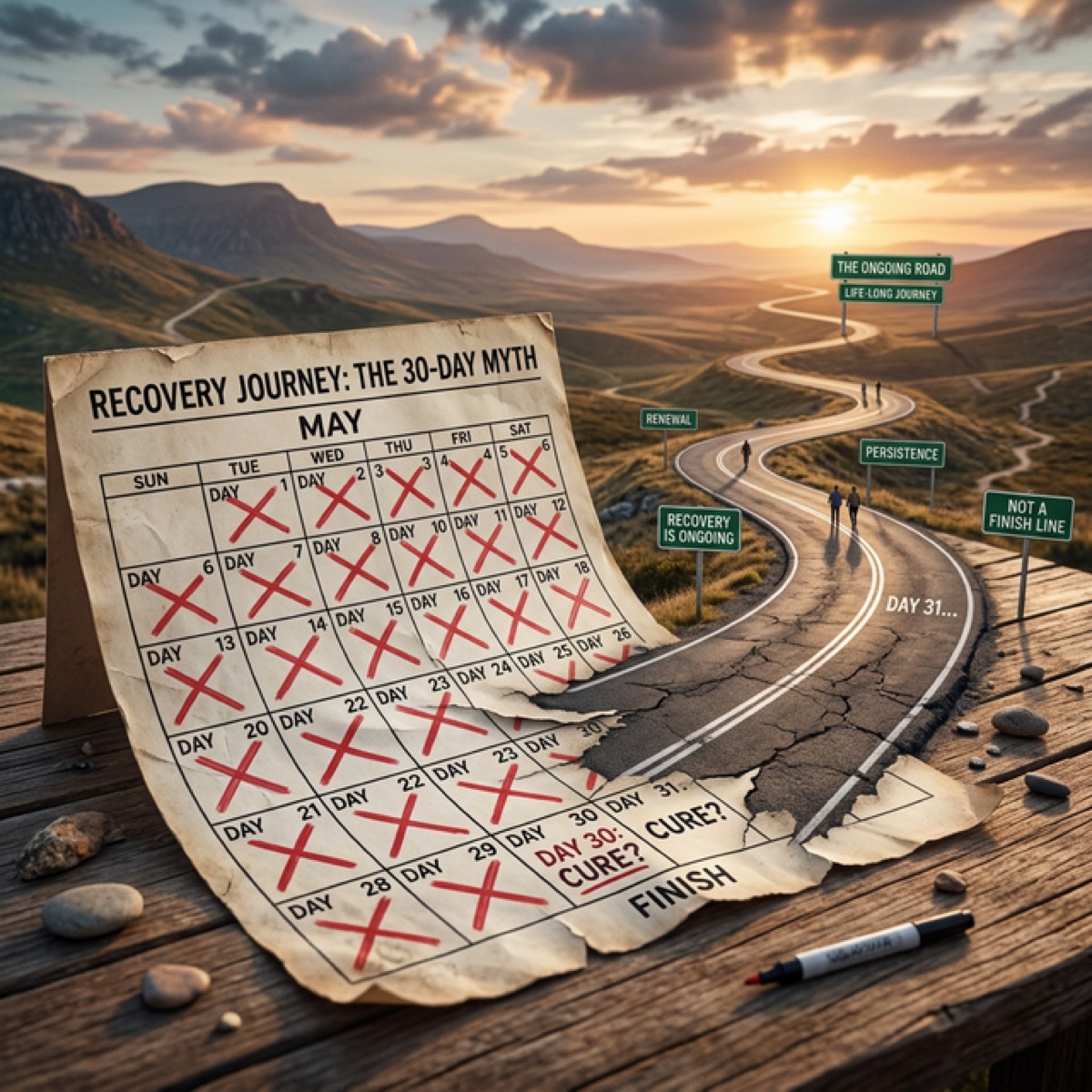
Perhaps the most damaging misconception is that rehab is a one-time event that results in a permanent cure. As discussed throughout this article, addiction is a chronic condition that requires ongoing management. Effective treatment establishes the foundation for recovery by equipping individuals with the knowledge, skills, medication support, and social connections they need to sustain sobriety. But like any chronic condition, addiction requires continued attention, whether through ongoing therapy, support group participation, medication management, or alumni programming. The expectation of a one-time cure sets individuals up for shame and discouragement if they experience setbacks.
Another pervasive myth is that people must "hit rock bottom" before treatment can be effective. This belief, popularized by early conceptualizations of addiction and reinforced by dramatic media narratives, has been thoroughly debunked by research. Studies published in the Journal of Substance Abuse Treatment and the Journal of Consulting and Clinical Psychology have demonstrated that individuals who enter treatment earlier in the course of their substance use disorder, even under external pressure from family, employers, or the legal system, achieve outcomes comparable to or better than those who enter treatment after experiencing catastrophic consequences. Early intervention saves lives, and waiting for someone to reach an undefined "bottom" often means waiting until the consequences are irreversible.
A third myth holds that rehab involves being locked away against your will, stripped of autonomy and dignity. While involuntary commitment for substance use disorders exists in some jurisdictions under specific legal criteria, the vast majority of addiction treatment is voluntary. Modern evidence-based programs are designed to be collaborative rather than coercive, with treatment plans developed in partnership between the patient and their clinical team. Motivational interviewing, a core evidence-based approach, is predicated on the principle that sustainable change comes from enhancing intrinsic motivation rather than imposing external demands. At Trust SoCal, we treat every patient as a partner in their own recovery, providing the structure and clinical support they need while respecting their autonomy and dignity.
You do not need to "hit rock bottom" before seeking help. Research shows that early intervention produces better outcomes, and most modern treatment programs are voluntary, collaborative, and designed to meet you where you are. Trust SoCal offers free, confidential assessments: (949) 280-8360.
Why Accurate Information About Treatment Matters
The gap between public perception and clinical reality has measurable consequences for treatment access and outcomes. When people believe that rehab is a dramatic ordeal, a luxury escape, or a one-time fix, they make decisions based on those misconceptions. Some individuals delay seeking help because they fear the dramatic confrontations they saw on television. Others choose facilities based on amenities rather than clinical quality because they believe rehab is fundamentally a comfort experience. Still others avoid treatment entirely because they believe it requires hitting an undefined "bottom" that they have not yet reached, even as their substance use progressively destroys their health, relationships, and livelihood.
Accurate, destigmatized information about what treatment actually involves and how it works is one of the most powerful tools for increasing treatment engagement. Research from the National Survey on Drug Use and Health (NSDUH) consistently shows that among individuals who recognized a need for treatment but did not receive it, a significant proportion cited not knowing where to go, fear of what treatment involves, and stigma as primary barriers. By providing clear, honest, clinically accurate information about the treatment process, facilities like Trust SoCal can help bridge the gap between need and access.
If you or someone you love is considering addiction treatment, we encourage you to look beyond the headlines and media portrayals. Ask questions, visit facilities, speak with clinical staff, and evaluate programs based on their clinical credentials rather than their marketing. Addiction treatment is a medical intervention that saves lives, and understanding what it actually involves is the first step toward making an informed decision. Trust SoCal is located at 16537 Elm Cir, Fountain Valley, CA 92708, and our admissions team is available around the clock at (949) 280-8360 to answer any questions about what treatment with us looks like.

Trust SoCal Editorial Team, Clinical Review Board
Editorial & Clinical Review