
Key Takeaways
- Gabapentin addresses muscle aches, anxiety, and insomnia during opioid withdrawal
- Off-label use supported by growing clinical evidence; not FDA-approved specifically for withdrawal
- Typical dosing ranges 900-3600 mg daily in divided doses during acute withdrawal
- Often combined with other medications like lofexidine or buprenorphine for comprehensive symptom management
- Call Trust SoCal at (949) 280-8360 for integrated withdrawal management strategies
Gabapentin in Opioid Withdrawal Management
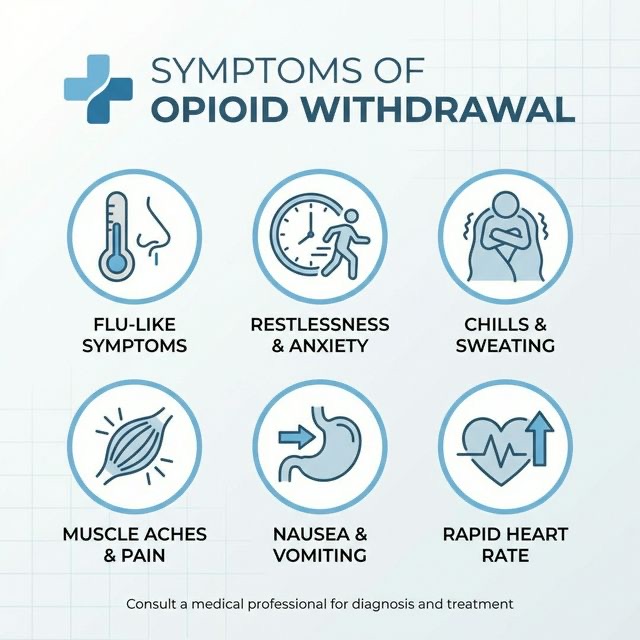
Gabapentin is a gabapentinoid anticonvulsant medication increasingly utilized off-label for opioid withdrawal symptom management. The medication effectively addresses musculoskeletal pain, anxiety, insomnia, and restlessness—core withdrawal symptoms that reduce treatment retention. While not FDA-approved specifically for withdrawal, growing clinical evidence supports its efficacy and safety when used appropriately.
Gabapentin modulates neural excitability and reduces nociceptive signaling, making it particularly effective for withdrawal-related muscle aches and myalgias. The medication also provides anxiolytic (anxiety-reducing) effects that complement other withdrawal treatments. Many addiction specialists now incorporate gabapentin into comprehensive withdrawal management protocols.
Gabapentin is off-label for withdrawal but widely used by addiction specialists. Evidence supports its efficacy for specific withdrawal symptom clusters.
Pharmacology and Mechanisms of Action
Gabapentin works through multiple mechanisms relevant to withdrawal symptom relief. The medication binds to voltage-gated calcium channels in neural tissue, reducing excitatory neurotransmitter release. This reduces pain signal transmission and decreases overall neural hyperexcitability—a hallmark of opioid withdrawal.
Beyond calcium channel effects, gabapentin increases GABA (gamma-aminobutyric acid) availability in the central nervous system, producing anxiolytic and sedative effects. This dual mechanism addresses both physical pain symptoms and psychological distress of withdrawal. The medication crosses the blood-brain barrier effectively, achieving therapeutic concentrations throughout the CNS.
Specific Withdrawal Symptoms Gabapentin Addresses
Gabapentin targets particular withdrawal manifestations effectively.
- Muscle aches and myalgias: Reduced pain signal transmission
- Anxiety and restlessness: GABA enhancement and CNS calming
- Insomnia: Sedative effects improve sleep quality
- Neuropathic sensations: Abnormal tingling and burning reduced
- Tachycardia and hypertension: Modest sympathomimetic reduction
Dosing and Treatment Duration
Gabapentin dosing for withdrawal typically begins at 300 mg three times daily (900 mg/day) and escalates to 1800-3600 mg daily in divided doses based on symptom response and tolerability. Higher doses (2400-3600 mg/day) prove most effective for severe withdrawal but increase side effect risk. Treatment duration typically spans 7-14 days during acute withdrawal, then tapers as symptoms improve.
Renal function significantly affects gabapentin clearance; dose adjustments are necessary for patients with reduced kidney function. Elderly patients and those with renal impairment often require lower doses to prevent accumulation toxicity. Splitting doses three or four times daily optimizes absorption and maintains steady symptom relief.
Gabapentin requires dose adjustment in kidney disease. Baseline and periodic renal function monitoring ensures safe dosing throughout treatment.
Efficacy in Clinical Practice
Clinical studies and real-world experience demonstrate gabapentin significantly improves withdrawal symptom comfort. Meta-analyses show 40-50% reduction in musculoskeletal pain scores compared to placebo, with parallel improvements in anxiety and sleep quality. Treatment retention improves measurably when gabapentin is added to standard withdrawal protocols.
Effectiveness increases when gabapentin is combined with other withdrawal medications. Pairing gabapentin with lofexidine, buprenorphine, or clonidine provides more comprehensive symptom management than monotherapy. Many patients report that gabapentin 'takes the edge off' withdrawal discomfort, making psychological coping easier.
Gabapentin works best as part of multimodal withdrawal management. Combining medications addresses different symptom clusters and improves overall comfort.
Side Effects and Safety Profile
Gabapentin is generally well-tolerated with mild, predictable side effects. Common effects include dizziness (20-30%), somnolence (20-25%), ataxia (gait disturbance), and tremor. These effects are usually dose-dependent and often diminish with continued treatment or dose reduction. Serious adverse events are rare in withdrawal-dosing contexts.
Gabapentin has minimal abuse potential, though some patients seek the medication for its mild euphoric or sedative properties. Respiratory depression does not occur even at high doses, providing a safety advantage over opioids and benzodiazepines. Monitoring cognitive function is reasonable in elderly patients, as some experience concentration or memory effects.
Managing Common Side Effects
Most gabapentin side effects are manageable with simple strategies.
- Dizziness: Take medication after meals; avoid rapid position changes
- Somnolence: Schedule doses before bedtime; increase daytime alertness gradually
- Ataxia: Avoid driving or dangerous activities; improve with tolerance over days
- Tremor: Often improves with continued dosing; rarely requires discontinuation
Integration with Other Medications
Gabapentin combines safely with most withdrawal medications without significant drug interactions. It is frequently paired with lofexidine, buprenorphine, clonidine, and non-opioid analgesics to address multiple withdrawal symptom clusters. Clinicians can adjust individual medication doses while maintaining comprehensive symptom coverage.
Avoid combining gabapentin with other CNS depressants (benzodiazepines, other sedating medications) unless specifically indicated by clinical judgment. Opioids and gabapentin together carry overdose risk, though this is less concerning in withdrawal settings when opioid use is minimal. Clear medication communication prevents dangerous combinations.
Combining gabapentin with benzodiazepines or opioids increases overdose risk. Inform all providers of gabapentin use to prevent harmful drug interactions.

Medical Review Board, MD, ABAM
Medical Director & Reviewer