Key Takeaways
- Lofexidine is a non-narcotic medication FDA-approved specifically for opioid withdrawal
- Works by reducing noradrenergic hyperactivity without opioid properties
- Typically used alongside behavioral therapies for best outcomes
- Common side effects include low blood pressure and dizziness
- Call Trust SoCal at (949) 280-8360 for personalized MAT consultation
What is Lofexidine?
Lofexidine is an alpha-2 adrenergic agonist FDA-approved in 2018 for managing opioid withdrawal symptoms. Unlike buprenorphine and methadone, lofexidine does not contain opioids and carries no overdose risk or abuse potential. This non-narcotic approach makes it particularly suitable for people sensitive to opioid medications or those with specific medical histories.
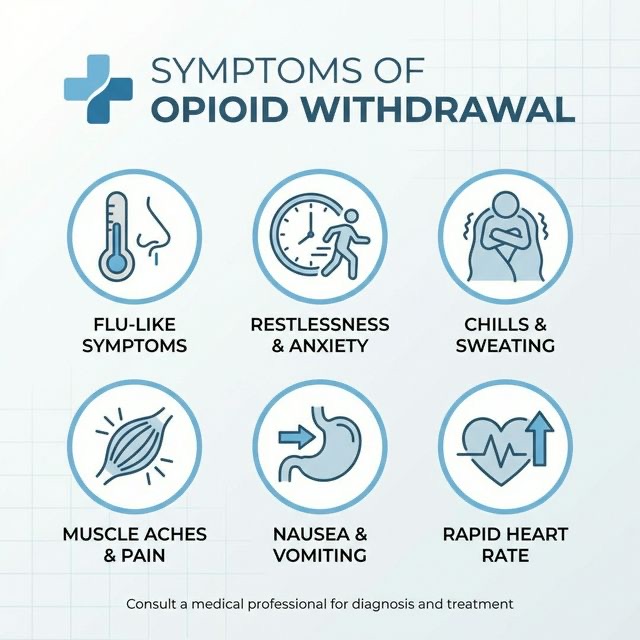
The medication works by targeting the noradrenergic system in the brain, which becomes overactive when opioids are discontinued. By reducing this hyperactivity, lofexidine addresses sweating, anxiety, muscle aches, and other acute withdrawal symptoms. Research shows lofexidine significantly improves treatment retention compared to placebo.
Lofexidine is not an opioid and has zero abuse potential, making it a uniquely safe option for opioid withdrawal management.
Clinical Efficacy and Outcomes
Multiple clinical trials demonstrate lofexidine's effectiveness for opioid withdrawal. Studies show 40-50% of participants receiving lofexidine complete detoxification, compared to 20-30% on placebo. The medication is particularly effective at reducing physical withdrawal symptoms like sweating, muscle aches, and hot/cold flashes within the first 24-48 hours.
Long-term outcomes improve when lofexidine is combined with counseling and behavioral support. Treatment facilities report higher patient satisfaction and improved quality of life during the withdrawal process. The medication allows patients to experience withdrawal more comfortably while maintaining mental clarity.
Symptom Relief Timeline
Patients typically notice relief within 12-24 hours of starting lofexidine. Peak effects occur around day 3-5 of treatment.
- Hours 12-24: Reduction in sweating and anxiety
- Days 2-3: Improved muscle ache relief
- Days 3-7: Stabilized withdrawal management
- Week 2+: Transition to maintenance or counseling focus
Dosing and Treatment Protocol
Standard lofexidine dosing begins at 0.3-0.6 mg twice daily, titrated up to 2.4 mg daily over 7 days based on symptom severity and blood pressure response. Treatment typically lasts 7-10 days during acute withdrawal, though some protocols extend to 14 days for more severe withdrawal.
Medical supervision is essential during lofexidine treatment to monitor blood pressure, heart rate, and withdrawal symptom progression. Patients must avoid abrupt discontinuation; tapering occurs in final 2-3 days to prevent rebound hypertension. Frequent dosing adjustments ensure optimal symptom management without excessive sedation.
Blood pressure monitoring is critical with lofexidine. Hypotension is the primary side effect. Regular clinical visits ensure safe dosing.
Side Effects and Safety Profile
Lofexidine's most common side effect is hypotension (low blood pressure), occurring in 15-20% of patients. Other frequent effects include sedation, dry mouth, and dizziness. These side effects are typically manageable and resolve after treatment completion.
The medication is generally well-tolerated with minimal serious adverse events reported in clinical trials. Contraindications include severe coronary artery disease, uncontrolled hypertension, and certain cardiac arrhythmias. Patients with baseline hypertension require careful monitoring and may need dose adjustments.
Managing Common Side Effects
Most side effects are mild and predictable with proper clinical management.
- Low blood pressure: Increase fluid and salt intake; monitor seated and standing BP
- Sedation: Schedule doses before bedtime when possible
- Dry mouth: Increase water intake; use sugar-free lozenges
- Dizziness: Avoid rapid position changes; sit or lie down as needed
Comparison with Other Withdrawal Medications
Lofexidine fills a unique niche in withdrawal management by offering opioid-free symptom relief. Unlike methadone and buprenorphine, lofexidine does not provide opioid replacement and is used exclusively during acute withdrawal, not maintenance. Unlike clonidine, lofexidine has stronger clinical evidence and FDA approval specifically for opioid withdrawal.
For patients unable to tolerate opioid-based medications or those seeking purely symptomatic treatment without maintenance medication, lofexidine provides a science-backed alternative. It works best as part of comprehensive treatment including counseling, behavioral support, and aftercare planning.
Lofexidine works best when combined with counseling. Medication management of symptoms is only one component of recovery.
Post-Withdrawal Transition Planning
After completing lofexidine treatment, comprehensive aftercare is essential for sustained recovery. Whether patients transition to maintenance medication, long-term counseling, or outpatient support depends on individual factors and treatment goals. Clinical teams should develop personalized transition plans before completing medication.
Ongoing counseling, peer support groups, and lifestyle changes significantly improve long-term outcomes. Many patients benefit from continued mental health treatment to address underlying factors contributing to opioid use. Trust SoCal offers integrated aftercare planning to ensure smooth transition from acute withdrawal management.
Aftercare Components
Successful post-lofexidine recovery requires structured support.
- Individual therapy focused on relapse prevention
- Participation in peer support groups like NA or SMART Recovery
- Occupational and recreational planning
- Family involvement in recovery process
- Regular check-ins with treatment team

Medical Review Board, MD, ABAM
Medical Director & Reviewer