Key Takeaways
- Boise now offers diverse treatment modalities including MAT, cognitive-behavioral therapy, and holistic approaches
- Expanded programs address co-occurring mental health disorders alongside substance abuse
- Medication-assisted treatment significantly improves long-term recovery success rates in Idaho communities
- Holistic approaches including fitness, nutrition, and mindfulness enhance traditional treatment outcomes
- Geographic convenience of expanded Boise treatment options reduces barriers to accessing quality care
The Evolution of Boise Addiction Treatment
Boise's addiction treatment landscape has transformed dramatically over the past decade. Once limited to basic residential programs and 12-step meetings, Boise now offers sophisticated, evidence-based treatment options addressing the complexity of modern addiction. Healthcare providers in Ada County recognize that one-size-fits-all approaches fail many patients.
The expansion reflects both scientific advances in addiction medicine and increased demand from Boise's growing population. Treatment facilities now employ psychiatrists, addiction medicine specialists, and licensed therapists trained in cutting-edge evidence-based approaches. This evolution means Boise residents no longer need to travel to major urban centers for comprehensive care.
For guidance on which expanded treatment option suits your needs, contact Trust SoCal at (949) 280-8360. Our team can help you navigate Boise-area resources and find the right fit for your recovery journey.
Why Expanded Options Matter
Traditional 12-step programs help many people, but research shows that approximately 50-60% of participants relapse within the first year. Expanded treatment options provide alternatives for people who don't respond to traditional approaches.
- Different brain chemistry requires different therapeutic approaches
- Co-occurring mental health conditions demand integrated treatment
- Personalized medicine allows matching treatment to individual neurobiological profiles
- Multiple pathways to recovery increase overall success rates
Boise's Treatment Innovation Hub
Several Boise facilities now function as regional treatment innovation centers, implementing latest research findings and training new addiction specialists. St. Alphonsus Regional Medical Center and other local providers lead this transformation.
Medication-Assisted Treatment in Idaho
Medication-assisted treatment (MAT) represents one of the most significant advances in addiction medicine. Boise and surrounding Idaho communities now provide access to FDA-approved medications like buprenorphine, naltrexone, and methadone under physician supervision. Research consistently demonstrates that MAT combined with counseling produces superior outcomes compared to abstinence-only approaches.
Despite strong evidence, MAT availability remains limited in many Idaho rural areas. However, Boise's expanded infrastructure means residents can access these life-saving medications through licensed treatment centers, primary care clinics, and specialized MAT practices. Telehealth expansion further increases access for those in remote areas.
MAT is not "replacing one drug with another." It's a medically supervised treatment that stabilizes brain chemistry, reduces cravings, and prevents overdose while patients rebuild their lives.
Buprenorphine and Naloxone Programs
Buprenorphine, combined with naloxone, has become increasingly available through Boise primary care physicians. This medication has a lower overdose risk than methadone and allows for office-based treatment.
- Reduces cravings and withdrawal symptoms by 80-90%
- Lower overdose risk compared to full opioid agonists
- Can be prescribed in primary care settings with appropriate training
- Combined with counseling produces relapse rates below 20%
Extended-Release Naltrexone
Vivitrol (extended-release naltrexone) offers monthly injections for opioid and alcohol addiction. Boise providers now administer this option for patients preferring medication without daily dosing.
- Monthly administration improves compliance versus daily medications
- Effective for both opioid and alcohol use disorders
- Requires prior detoxification before starting
- Works through opioid receptor blockade rather than agonism
Dual Diagnosis Treatment in Boise
Approximately 60-80% of people with substance use disorders also experience mental health conditions like depression, anxiety, PTSD, or bipolar disorder. Boise's expanded treatment systems now address both conditions simultaneously rather than sequentially. This integrated approach dramatically improves outcomes because treating only addiction while ignoring underlying mental illness typically results in relapse.
Boise treatment facilities employ psychiatrists, psychologists, and psychiatric nurses trained in dual diagnosis care. Individualized medication regimens, evidence-based psychotherapy, and specialized trauma treatment help patients achieve stable mental health alongside sobriety.
Treating addiction without addressing co-occurring depression, anxiety, or trauma often leads to relapse. Ensure your chosen Boise treatment program includes psychiatric evaluation and integrated mental health care.
PTSD and Trauma-Informed Care
Many people with addiction histories experienced significant trauma. Boise facilities now employ trauma-informed approaches and specialized therapists trained in EMDR and trauma-focused cognitive-behavioral therapy.
- PTSD affects 30-50% of people with substance use disorders
- Untreated trauma drives 60-70% of relapses
- EMDR and trauma-focused CBT show 70%+ effectiveness rates
- Safe environment and trust-building are essential first steps
Depression and Anxiety Integration
Depression and anxiety frequently co-occur with addiction. Boise treatment programs now provide psychiatric medication management alongside behavioral therapy to stabilize mood before addressing behavioral patterns.
- Selective serotonin reuptake inhibitors (SSRIs) reduce anxiety and depression
- Combined medication and therapy shows 80%+ improvement rates
- Proper medication timing crucial—stability supports engagement in therapy
- Regular psychiatric follow-up prevents medication-related relapse
Holistic and Integrative Recovery Approaches
Beyond medication and traditional therapy, Boise treatment centers increasingly incorporate holistic approaches that address whole-person wellness. Fitness programs, nutritional counseling, mindfulness practices, and art therapy complement evidence-based treatments. Research shows that comprehensive wellness approaches improve treatment engagement and reduce relapse risk by 25-30%.
The integration of holistic practices reflects growing understanding that addiction affects physical, mental, emotional, and spiritual health. Boise facilities now offer yoga classes, nutrition education, outdoor adventure therapy, and mindfulness-based stress reduction alongside individual and group therapy.
Holistic approaches work best when combined with evidence-based treatment. Call Trust SoCal at (949) 280-8360 to discuss integrative programs matching your values and recovery goals.
Physical Fitness and Nutrition Programs
Exercise produces natural endorphins that reduce cravings and improve mood. Boise facilities incorporate gym access, outdoor activities, and nutrition counseling recognizing that physical health supports mental recovery.
- Regular exercise reduces cravings and anxiety by 30-40%
- Proper nutrition repairs damage from long-term substance abuse
- Group fitness activities build community and accountability
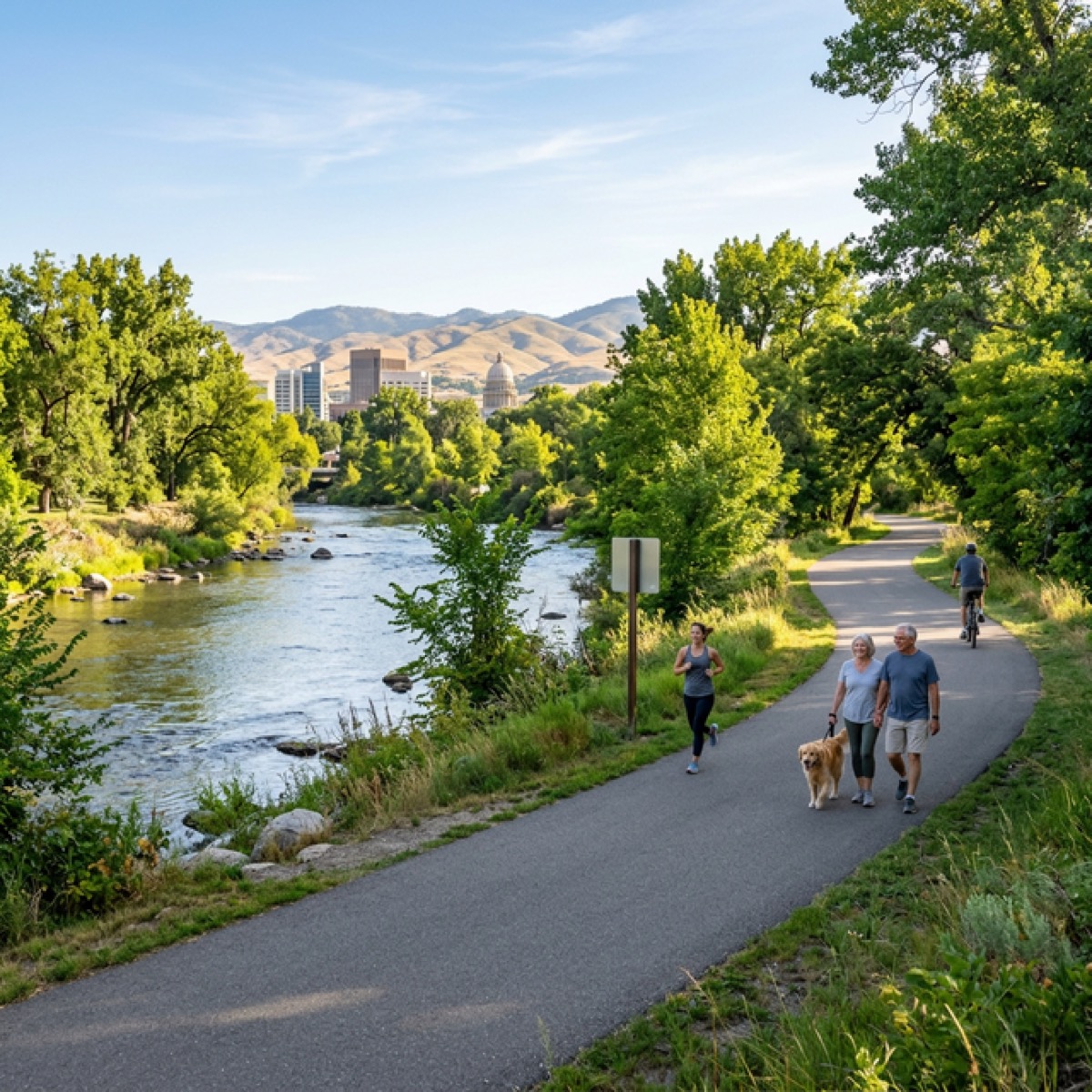
- Outdoor activities leverage Boise's natural beauty for healing
Mindfulness and Meditation Practices
Mindfulness-based relapse prevention (MBRP) teaches skills to observe cravings without acting on them. Boise centers trained in mindfulness techniques report improved treatment compliance and reduced relapse risk.
- Mindfulness reduces amygdala reactivity—the brain's fear and stress center
- Regular practice decreases anxiety and improves emotional regulation
- Research shows 50% reduction in relapse rates with MBRP
- Skills transfer to daily life, improving long-term recovery
Specialized Programs for Boise Demographics
Boise's growing professional population, young families, and older adults each face unique recovery challenges. Expanded treatment options now include specialized programs addressing specific demographic needs. Professional treatment tracks minimize employment disruption, family-focused programs strengthen household recovery, and geriatric specialists address unique aging and medication considerations.
Customization extends to scheduling, communication preferences, and culturally sensitive approaches. Boise treatment facilities recognize that one person's recovery path differs from another's and have developed specialized tracks reflecting this understanding.
Recovery works best when treatment matches your life circumstances, not the other way around.
— Addiction Medicine Specialist, Boise Treatment Alliance
Professional and Executive Programs
Boise's tech workers, business owners, and professionals need treatment compatible with career demands. Specialized programs offer flexible scheduling, brief intensive formats, and discretion essential for professional recovery.
- Intensive outpatient allowing continued employment
- Lunch-hour and evening therapy sessions
- Confidential treatment protecting professional licenses
- Peer support groups with other professionals
Family-Centered Recovery Programs
Addiction affects entire families. Boise programs increasingly include family therapy, loved-one education, and relationship repair components recognizing that strong family bonds support sustained recovery.
- Family sessions improve understanding and healing
- Loved-one education prevents enabling behaviors
- Couples and family therapy repair relationship damage
- Children's services address trauma of parental addiction
Aftercare and Continuing Support Resources in Boise
Treatment completion represents a beginning, not an ending. Boise's expanded support ecosystem ensures that people receive continuing care crucial for maintaining sobriety. From alumni groups and peer mentoring to ongoing therapy and psychiatric monitoring, comprehensive aftercare significantly improves long-term outcomes.
The critical period is the first year after treatment. Boise residents now access intensive aftercare including weekly therapy, monthly psychiatric appointments, and daily peer support through multiple recovery fellowships. This graduated support system addresses relapse risk when motivation and external structure decrease.
For guidance on aftercare options and long-term support strategies following treatment completion, contact Trust SoCal at (949) 280-8360.
Alumni Programs and Peer Support
Most Boise treatment facilities offer alumni programs maintaining connections between graduates and current patients. These relationships provide powerful motivation and practical relapse prevention strategies.
- Monthly alumni events build ongoing community
- Peer mentoring provides practical recovery guidance
- Shared experience reduces isolation during vulnerable periods
- Alumni typically show 40-50% lower relapse rates
Continuing Care Options
Beyond alumni groups, Boise offers intensive outpatient programs, partial hospitalization, and ongoing individual therapy for people needing extended support. Psychiatric monitoring prevents medication-related relapse.
- Intensive outpatient programs (IOP) provide 9-20 hours weekly care
- Monthly or quarterly psychiatric appointments monitor medication
- Individual therapy addresses emerging stressors and triggers
- Support groups provide daily connection and accountability

Trust SoCal Editorial Team, Clinical Review Board
Editorial & Clinical Review