
Key Takeaways
- MAT reduces opioid overdose mortality by 50 percent or more and is considered the gold standard of care for opioid use disorder.
- Three FDA-approved medications are used for opioid addiction: buprenorphine, methadone, and naltrexone.
- MAT is not simply substituting one drug for another; it stabilizes brain chemistry and allows meaningful engagement in therapy and life.
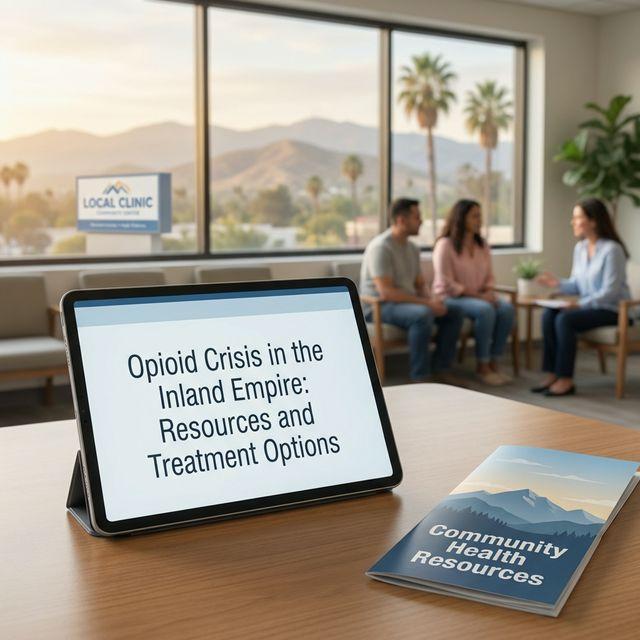
- Moreno Valley residents can access MAT through local providers, county programs, and regional treatment facilities.
- Trust SoCal initiates MAT during medical detox and supports long-term medication management as part of comprehensive treatment.
What Is Medication-Assisted Treatment?
Medication-assisted treatment is the use of FDA-approved medications in combination with counseling and behavioral therapies to provide a comprehensive approach to treating substance use disorders. MAT is primarily used for opioid use disorder but is also effective for alcohol use disorder. The medications used in MAT are prescribed by qualified physicians and are safe and effective when taken as directed.
Moreno Valley, a city of approximately 215,000 residents and the second-largest city in Riverside County, has a significant need for accessible MAT services. The city's diverse population includes many individuals affected by the opioid epidemic who can benefit from medication-assisted approaches to treatment. Understanding what MAT is, how it works, and where to access it can help Moreno Valley residents make informed decisions about their treatment options.
The scientific evidence supporting MAT is overwhelming. Multiple large-scale studies and meta-analyses have demonstrated that MAT reduces opioid use, overdose deaths, criminal activity, and infectious disease transmission while improving treatment retention, social functioning, and quality of life. Despite this evidence, stigma and misconceptions continue to prevent many individuals from accessing this life-saving treatment.
FDA-Approved Medications for Opioid Use Disorder
Three medications are currently approved by the FDA for the treatment of opioid use disorder. Each works through a different mechanism and is appropriate for different clinical situations.
Buprenorphine (Suboxone)
Buprenorphine is a partial opioid agonist that activates opioid receptors in the brain at a level sufficient to reduce cravings and prevent withdrawal symptoms but not high enough to produce the euphoria associated with full agonist opioids like heroin or fentanyl. It has a ceiling effect, meaning that increasing the dose beyond a certain point does not produce additional opioid effects, making it safer than full agonists.
Buprenorphine is most commonly prescribed as Suboxone, a sublingual film that combines buprenorphine with naloxone to deter misuse. It can be prescribed by any physician with a DEA license, making it widely available through primary care offices, addiction specialists, and treatment programs. Monthly injectable and implantable formulations are also available for individuals who prefer not to take daily medication.
Methadone
Methadone is a full opioid agonist that eliminates withdrawal symptoms and reduces cravings for opioids. Because it is a full agonist, it requires more careful clinical management and is dispensed through specialized narcotic treatment programs where patients receive their dose under observation. With demonstrated treatment stability, patients earn take-home privileges that reduce the frequency of clinic visits.
Methadone is particularly effective for individuals with severe, long-standing opioid dependence who have not responded adequately to buprenorphine. Several methadone clinics operate within driving distance of Moreno Valley, primarily in the city of Riverside.
Naltrexone (Vivitrol)
Naltrexone is an opioid antagonist that completely blocks the effects of opioids. Unlike buprenorphine and methadone, naltrexone has no opioid agonist effects and does not produce physical dependence. It is available as a monthly injection, which eliminates the need for daily medication adherence. Naltrexone is most appropriate for individuals who have completed detox and are highly motivated to maintain complete opioid abstinence.
Dispelling Myths About MAT
Misconceptions about medication-assisted treatment remain one of the biggest barriers to accessing this life-saving care. Understanding the facts helps individuals and families make informed decisions free from stigma.
The most persistent myth is that MAT simply replaces one addiction with another. This fundamentally mischaracterizes how these medications work. Addiction is characterized by compulsive use despite negative consequences, loss of control, and progressive deterioration. MAT medications, when taken as prescribed, stabilize brain chemistry without producing euphoria, eliminate cravings and withdrawal, and allow individuals to function normally in all areas of life. A person on stable MAT can work, maintain relationships, and participate fully in society.
Another common misconception is that MAT is a crutch that delays true recovery. In reality, MAT enables recovery by removing the neurobiological barriers that prevent engagement in therapy and life. Just as insulin enables a diabetic to live a healthy life, MAT medications enable individuals with opioid use disorder to engage in the therapeutic and lifestyle changes that sustain long-term recovery.
Every major medical organization including the American Medical Association, American Society of Addiction Medicine, and World Health Organization endorses MAT as the standard of care for opioid use disorder. Denying patients access to MAT is considered substandard medical practice.
Accessing MAT in Moreno Valley
Moreno Valley residents have several pathways to access medication-assisted treatment. Primary care physicians certified to prescribe buprenorphine can initiate and manage MAT in their office settings. The Riverside University Health System Behavioral Health department provides MAT access for Medi-Cal beneficiaries through its network of contracted providers. Methadone clinics in the Riverside area serve patients from throughout western Riverside County.
For individuals who need medical detox before initiating MAT, Trust SoCal in Fountain Valley provides a seamless transition from medically managed withdrawal to MAT initiation within their residential treatment program. Their medical team evaluates each client's clinical needs and preferences to recommend the most appropriate medication, and ongoing medication management continues through their outpatient programming.
To explore MAT options, Moreno Valley residents can call Trust SoCal at (949) 280-8360 for a confidential assessment and insurance verification. Their admissions team can explain the available medications, discuss the benefits and considerations of each option, and help determine the most appropriate treatment pathway.
MAT as Part of Comprehensive Treatment
While MAT medications address the neurobiological dimension of opioid addiction, comprehensive treatment also includes behavioral therapy, group counseling, family involvement, and recovery support. Medication alone is not sufficient; it is most effective when combined with therapeutic interventions that help individuals understand their addiction, develop coping skills, repair relationships, and build a recovery-supportive lifestyle.
Trust SoCal's treatment model integrates MAT with evidence-based behavioral therapies including cognitive behavioral therapy, motivational interviewing, trauma-focused therapy, and family counseling. This comprehensive approach addresses the full spectrum of factors that contribute to and perpetuate opioid addiction, giving individuals the best chance at sustained recovery.

Rachel Handa, Clinical Director
Clinical Director & Therapist