Key Takeaways
- Peer Recovery Support Specialists combine personal recovery experience with formal training, creating authentic and credible support that clinical providers alone cannot match
- Students who engage with peer specialists are 40-50% more likely to remain engaged with treatment and recovery services compared to clinical-only approaches
- Peer specialists normalize recovery by providing visible examples that sobriety is possible, sustainable, and compatible with college success
- Peer specialists identify emerging relapse risks early and connect students with escalated professional care before crisis occurs
- Training programs create employment and peer leadership opportunities for students in recovery, building recovery identity and community contribution
What Are Peer Recovery Support Specialists and Why They're Essential in College Settings
Peer Recovery Support Specialists (PRSS) are individuals with lived recovery experience from substance use disorders who receive formal training to provide support to others in recovery. They differ from traditional counselors—rather than leading with clinical expertise, peer specialists lead with authenticity about their own substance abuse and recovery journeys.
College campuses uniquely benefit from peer specialist presence because students relate to peers navigating similar developmental challenges. A peer specialist might say, "I failed organic chemistry twice, got sober, and retook it successfully," offering hope and practical guidance that generic professional advice cannot provide. This authenticity creates connection and belief in recovery possibilities.
Colleges employing Peer Recovery Support Specialists report 45-55% higher rates of student treatment engagement and 35-40% lower substance use relapse rates.
The Difference Between Peer Specialists and Professional Counselors
Peer specialists and counselors serve complementary but distinct functions. Both are essential; neither replaces the other. Understanding differences helps students appreciate what each offers.
- Peer specialists provide ongoing, accessible support without clinical formality; counselors offer assessment, diagnosis, and treatment planning
- Peer specialists share personal recovery experiences; counselors maintain clinical distance and professional boundaries
- Peer specialists provide daily support and accountability; counselors provide periodic clinical expertise and medication management
- Peer specialists catch emerging issues early through regular contact; counselors intervene when issues have developed enough for clinical attention
Research Supporting Peer Support in Recovery
Extensive research demonstrates that peer support significantly improves addiction treatment outcomes. Students with peer support show better treatment adherence, lower relapse rates, and improved quality of life compared to those without peer connection.
- Peer support combined with professional treatment produces 30-40% better outcomes than professional treatment alone
- Active peer engagement during vulnerable early recovery periods prevents relapse in 40-50% of students who might otherwise use
- Peer specialists identifying emerging warning signs allow early intervention before full relapse occurs
- Sense of belonging and community connection created by peer support sustains motivation beyond what individual willpower produces
Peer Recovery Specialists in Campus Recovery Community Leadership
Many Campus Recovery Communities employ trained peer specialists as residential coordinators, peer mentors, and program coordinators. These positions combine lived experience with leadership responsibility.
- Trained peer specialists staff CRC houses, facilitating house meetings and providing daily support
- Peer specialists mentor new CRC members and provide accountability in recovery housing
- Some peer specialists coordinate campus recovery programming and connect students to resources
- Peer specialist roles demonstrate that recovery careers exist—employment supporting others in recovery
Training, Qualifications, and Professional Standards for Peer Specialists
While peer specialists bring lived experience, formal training ensures they operate within ethical boundaries and use evidence-based approaches. Certification programs exist at state and national levels, establishing standards and accountability.
Professional training doesn't diminish the value of lived experience—instead, it channels authenticity into effective helping. Peer specialists learn motivational interviewing, trauma-informed care, de-escalation techniques, and boundaries, ensuring they help safely and effectively.
Peer specialists with formal certification and ongoing supervision show 50-60% higher effectiveness in supporting others' recovery compared to untrained peer supporters.
Certification Programs and Educational Requirements
National certification programs exist for Peer Recovery Support Specialists, requiring specific training hours, supervised practice, and examination. Many states license or regulate peer specialists.
- PRSS certification typically requires 40-100 hours of initial training depending on program and state
- Training covers recovery principles, motivational interviewing, ethics, boundaries, and trauma-informed care
- Supervised practice hours ensure peer specialists work under clinical oversight initially
- Continuing education maintains skills and keeps peer specialists current with evidence-based practices
Professional Standards and Ethical Boundaries
Ethical practice distinguishes professional peer support from friendship. Peer specialists maintain appropriate boundaries while remaining authentic and caring.
- Peer specialists avoid dual relationships—you can't be someone's peer specialist and close friend simultaneously
- Confidentiality and professional boundaries are maintained even with people you previously knew in active use
- Self-disclosure about personal recovery is appropriate when it helps the student; making it about the specialist's needs is not
- Peer specialists refer to clinical providers when needs exceed peer support scope (psychiatric medication, intensive counseling)
Ongoing Supervision and Professional Development
Effective peer specialist programs include regular supervision with clinical professionals. This ensures peer specialists provide quality care while preventing burnout.
- Weekly or bi-weekly supervision allows peer specialists to process challenging situations and receive guidance
- Clinical supervisors ensure peer specialists recognize their scope limits and refer appropriately
- Professional development opportunities help peer specialists develop specialized skills (trauma-informed care, cultural competence)
- Peer specialist teams provide mutual support and reduce isolation of individual specialists
How Peer Specialists Support Students in Recovery: Practical Approaches
Peer specialists provide multiple forms of support: daily accountability, practical problem-solving, social connection, and early relapse warning identification. Understanding these functions helps students know what to expect and how to engage effectively.
Peer support works through sustained relationship and shared community rather than expertise. Students often tell peer specialists things they won't tell counselors because the relationship feels less formal and more mutual.
Students report that peer specialists catch early relapse warning signs 2-3 weeks before students would seek professional help, allowing earlier intervention.
Daily Accountability and Check-ins
Many peer specialists maintain regular contact—daily in some cases—with students in early recovery. These check-ins provide accountability and catch emerging problems before they escalate.
- Text messages, calls, or in-person meetings normalize peer contact and provide consistent touchpoints
- Simple check-ins ("How are you doing today?") allow students to notice how they're actually feeling and share struggles
- Accountability to peers creates structure and motivation when individual willpower wavers
- Regular contact also allows peer specialists to notice mood changes, social withdrawal, or other warning signs
Practical Problem-Solving and Life Skills Support
Recovery isn't only about abstinence—it's about building skills for managing stress, relationships, academics, and finances. Peer specialists often have recent experience with these challenges and can offer practical guidance.
- Study strategies and time management advice come credibly from someone who recently managed college academics
- Relationship communication and conflict resolution skills are discussed and practiced with peer guidance
- Financial management, budgeting, and employment skills are addressed practically
- Peer specialists help students problem-solve rather than solving problems for them, building independence
Social Connection and Community Building
One of peer support's most powerful functions is creating sense of belonging and connection. Students who feel isolated in recovery are at high relapse risk; peer specialists facilitate community connection that prevents isolation.
- Peer specialists facilitate introductions and encourage peer interactions beyond formal meetings
- Social activities and recreation organized by peer specialists provide substance-free socializing and fun
- Recovery community events help students see that sobriety and enjoyment aren't mutually exclusive
- Peer specialists help students develop social skills for engaging in non-substance-related activities
Accessing Peer Recovery Support on Your Campus and Building Relationships
Knowing how to find and engage with peer specialists helps students access support. Some campuses have dedicated peer specialist positions; others have trained peer mentors within CRCs or recovery groups. Proactive outreach to available resources increases likelihood of connection.
Building relationships with peer specialists requires vulnerability and openness. While peer specialists aren't friends, the relationship should feel warm, genuine, and supportive. Good peer specialist matches create engagement and recovery traction.
Students who engage with peer specialists within the first month after treatment completion show 55-65% higher long-term recovery success compared to those without early peer connection.
Finding Peer Recovery Support Resources at Your Institution
Campus peer support resources may be scattered across departments or clearly organized—understanding where to look helps you find available services.
- Contact campus counseling or student health and ask specifically about peer specialists
- Check your campus's Campus Recovery Community website for peer specialist information
- Ask about "peer mentors," "peer recovery coaches," or "peer specialists" since titles vary
- Connect with recovery support groups on campus—many have peer-led components or can recommend specialists
What to Expect From Initial Peer Specialist Contact
Initial contact with peer specialists should feel warm and welcoming rather than clinical. Peer specialists typically ask about your recovery story, goals, and preferences for how they can help.
- Expect questions about your substance use history, treatment experience, and current recovery focus
- Peer specialists explain their own recovery story to establish authenticity and create connection
- You discuss preferred contact frequency, communication methods, and topics you're comfortable discussing
- The relationship develops over time—it's okay if initial conversations feel awkward; this is normal
Actively Engaging With Peer Support and Creating Accountability
Peer support works when students actively engage rather than passively receive services. Reaching out, being honest about struggles, and showing up to commitments strengthens peer relationships and recovery outcomes.
- Respond to peer specialist outreach and reach out when you're struggling, not just when everything's fine
- Be honest about challenges you're facing—peer specialists can't help with problems they don't know about
- Attend planned meetings or activities and participate genuinely rather than going through motions
- Ask your peer specialist directly how you can use their support most effectively
Peer Recovery Employment and Career Opportunities for College Students
Many colleges hire students in recovery as peer specialists, peer mentors, or recovery coaches. These positions provide employment, leadership opportunities, and meaningful work supporting others—all powerful for recovery identity development and practical financial support.
Peer specialist positions often offer flexible scheduling compatible with college coursework, making them realistic employment options for students. This combination of employment, community contribution, and recovery focus creates powerful identity development.
Students employed as peer specialists show 40-50% higher academic completion rates and 60-70% lower relapse rates compared to unemployed peers in recovery.
Campus Peer Specialist Employment Opportunities
Many campuses employ students as resident assistants, peer mentors, recovery coaches, or peer specialists within counseling centers or CRCs.
- Campus Recovery Community peer mentor positions provide leadership and support within recovery housing
- Counseling center peer specialist roles involve supporting students, organizing recovery events, and facilitating groups
- Resident assistant positions in recovery-focused housing combine standard RA duties with recovery support
- Positions are typically part-time (10-20 hours/week) with flexible scheduling and modest pay
How Peer Employment Supports Personal Recovery
Employment as a peer specialist creates powerful psychological benefits beyond income. Helping others reinforces recovery identity, provides purpose, and demonstrates that recovery is compatible with meaningful work.
- Supporting others in recovery strengthens your own commitment and deepens understanding of recovery process
- Leadership responsibility builds confidence and self-efficacy that transfer to other life areas
- Meaningful employment addresses fundamental human need for purpose and contribution
- Work experience and references help students transition to employment after graduation
Building Skills and Credentials for Recovery-Focused Career Paths
Peer specialist employment provides entry to recovery-focused careers. Some students pursue peer specialist certification or education in addiction counseling, social work, or related fields.
- Peer specialist certification (typically available after employment experience) creates credentials for employment
- Education in addiction counseling, social work, or psychology builds on peer specialist experience
- Master's programs in counseling often value peer specialist experience and hire graduates for positions
- Career pathways allow students to move from peer support to clinical roles based on interest and education
When Peer Support Is Insufficient and Escalating to Professional Care
Peer support is powerful but has limits. Some situations require clinical expertise beyond peer specialist scope. Understanding when to escalate to professional care protects both peer specialists and students.
Peer specialists are trained to recognize their limits and refer to clinical professionals. Good peer relationships include these referrals—peer specialists don't try to be therapists or prescribers.
Situations involving suicidal thoughts, psychosis, severe trauma reactions, or complex mental health crises require immediate professional intervention, not peer support alone.
Signs Peer Support Alone Is Insufficient
Recognizing when professional help is needed prevents escalation and ensures students receive appropriate care. Peer specialists should discuss these signs with students in early recovery.
- Active suicidal thoughts or plans require immediate professional evaluation and possibly crisis response
- Severe depression, anxiety, or paranoia beyond normal stress requires psychiatric assessment
- Untreated ADHD, bipolar disorder, or other conditions interfering with recovery need clinical attention
- Unsustainable cravings or relapse behavior despite peer support suggests need for professional intervention
Peer Specialists Facilitating Warm Handoffs to Clinical Care
When escalation is needed, peer specialists facilitate smooth transitions to clinical care. This is where peer relationships add tremendous value—the peer helps you take the step to professional care.
- Peer specialists discuss clinical needs openly and help you understand why escalation is appropriate
- They help schedule appointments, provide referral information, and offer to accompany you if helpful
- They maintain peer relationships while supporting your engagement with clinical care
- Follow-up ensures you successfully connected to clinical services
Integration of Peer and Clinical Support for Complex Cases
Often the best outcomes come from integrated peer and clinical support where specialists coordinate. Student benefits from both peer authenticity and clinical expertise when they're coordinated.
- Peer specialists and counselors communicate regularly about students they both support
- Professional treatment plans incorporate peer support as intentional component
- Peer specialists reinforce clinical recommendations while providing daily support between appointments
- Coordinated care reduces gaps and ensures no one falls through cracks
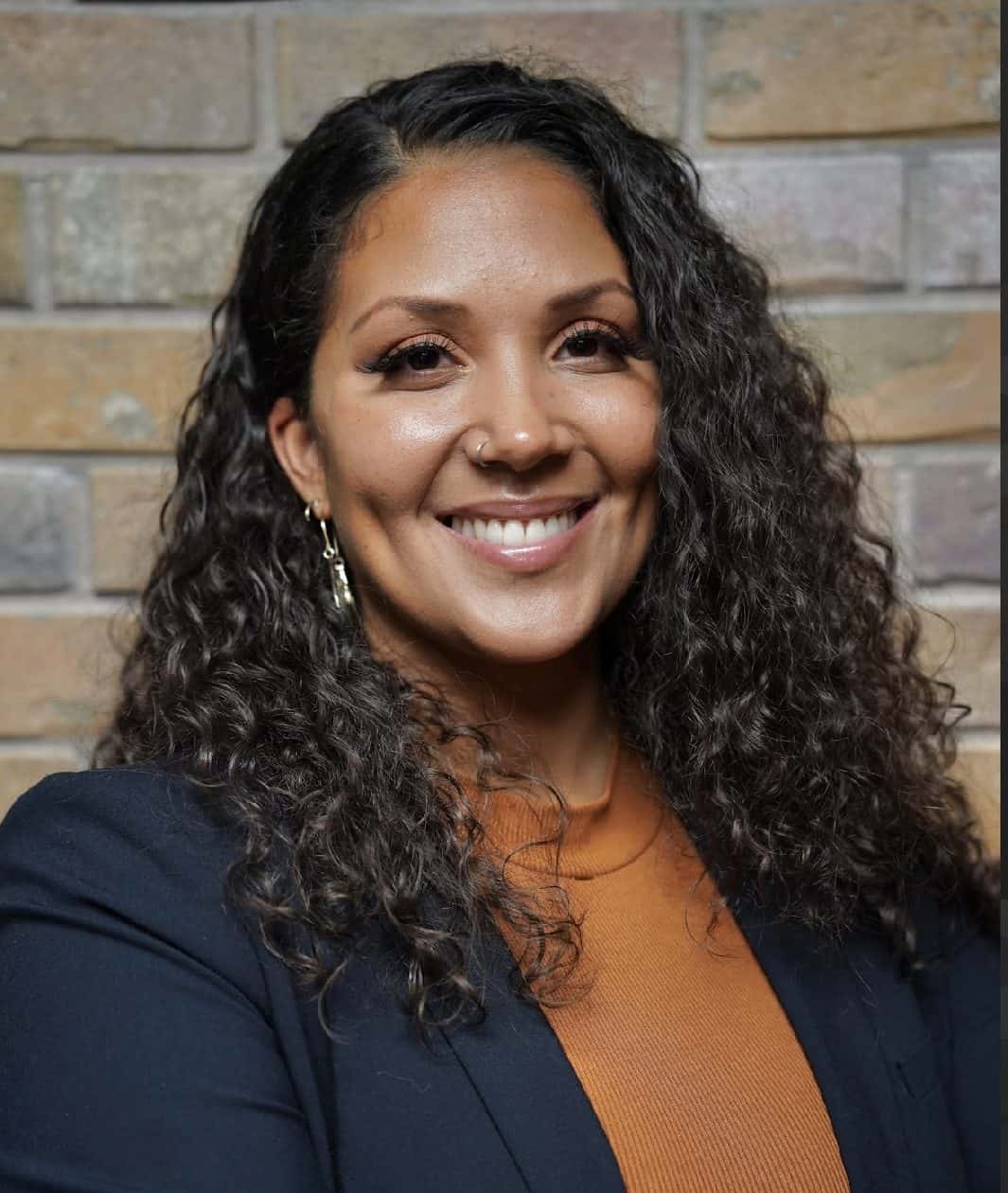
Courtney Rolle, CMHC
Clinical Mental Health Counselor