Key Takeaways
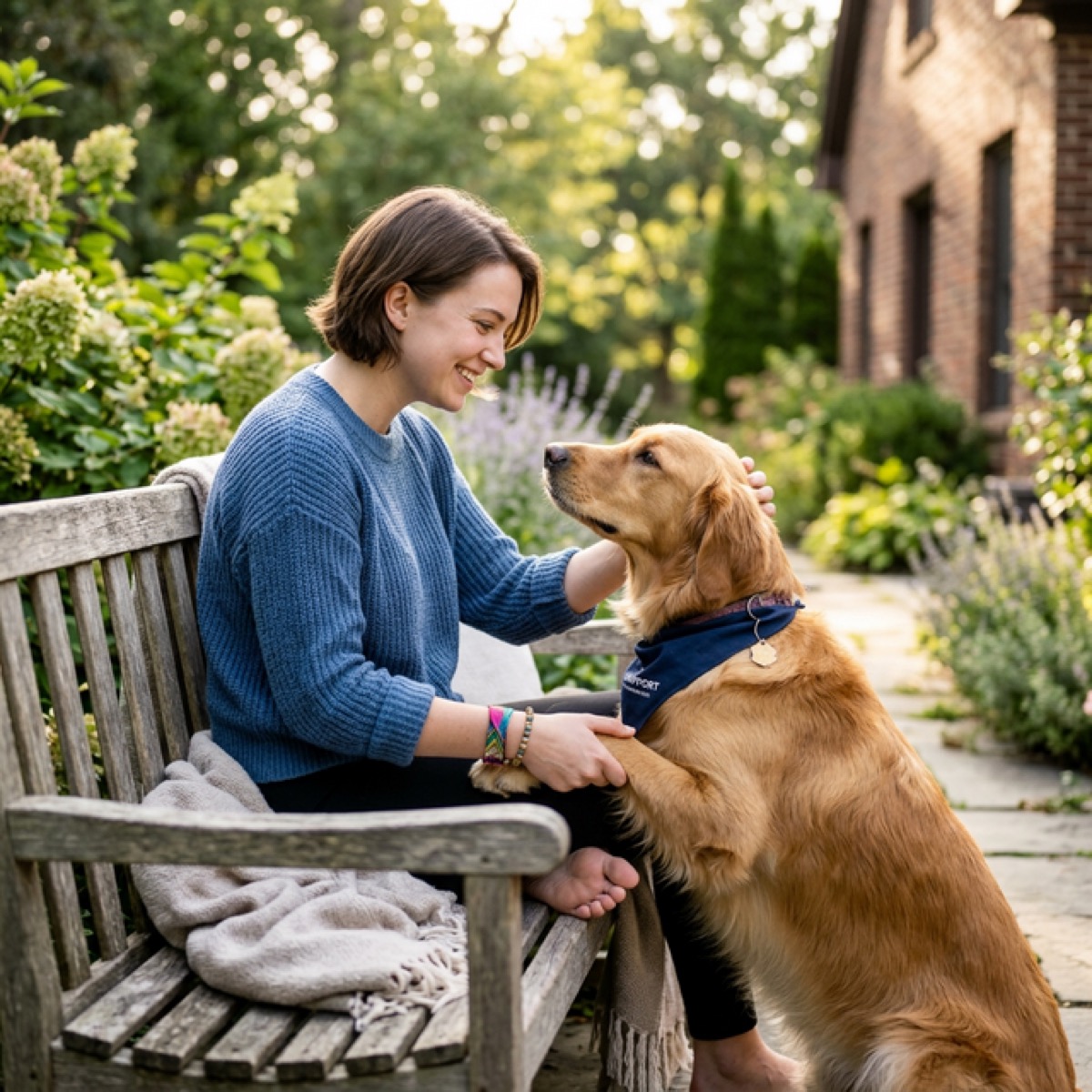
- Interacting with a dog for just 15 minutes increases oxytocin levels by 300 percent, reduces cortisol by 23 percent, and lowers blood pressure in both the human and the animal.
- Animal-assisted therapy in addiction treatment settings reduces self-reported anxiety by 37 percent and increases treatment engagement and retention.
- Pet ownership creates non-negotiable daily structure through feeding schedules, walks, and veterinary care that anchors recovery routines.
- The unconditional acceptance offered by animals provides a reparative relational experience for individuals whose human relationships have been damaged by addiction.
- Responsible pet adoption in recovery requires honest assessment of readiness, stability, and financial capacity to avoid the harm that comes from neglecting an animal.
The Neurochemistry of the Human-Animal Bond
The therapeutic value of animal companionship is not sentimental; it is biochemical. Research from the Human-Animal Bond Research Institute demonstrates that interaction with companion animals produces measurable changes in the neurochemical systems most affected by addiction. These are not subtle effects. They are clinically significant alterations in the same hormonal and neurotransmitter pathways that treatment providers work to restore.
When a person interacts positively with a dog, both the human and the dog experience a surge of oxytocin, the bonding hormone that promotes trust, social connection, and emotional regulation. A study published in Science found that mutual gaze between dogs and their owners increased oxytocin levels by 130 to 300 percent. This same neurochemical system is suppressed by chronic substance use and slowly rebuilds during recovery.
At Trust SoCal in Fountain Valley, we recognize the healing power of animals and support clients in developing healthy relationships with companion animals as part of their broader recovery plan. The evidence is clear that this relationship is not a luxury; it is a therapeutic resource.
A meta-analysis in the International Journal of Environmental Research and Public Health found that pet ownership was associated with reduced depression, reduced loneliness, increased physical activity, and improved cardiovascular health. All four of these outcomes are directly relevant to addiction recovery.
How Animals Support Each Stage of Recovery
The benefits of animal companionship are not uniform across recovery. Different stages of the recovery process present different challenges, and animals support each stage in distinct ways. Understanding this progression helps individuals and treatment providers integrate animal-related interventions at the most impactful moments.
Early Recovery: Emotional Regulation and Grounding
The first 90 days of recovery are characterized by emotional volatility, anxiety, insomnia, and intense cravings. During this period, the presence of an animal provides a consistent, non-judgmental source of comfort. Petting a dog or cat activates the parasympathetic nervous system, slowing heart rate and reducing the physiological arousal that accompanies cravings and panic.
Animals also provide grounding during moments of emotional overwhelm. The physical sensation of stroking fur, the warmth of an animal body, and the rhythmic sound of purring or breathing serve as sensory anchors that bring attention back to the present moment, much like mindfulness exercises.
Middle Recovery: Structure and Responsibility
As the acute intensity of early recovery subsides, the challenge shifts toward building sustainable daily structure. Boredom, purposelessness, and unstructured time are significant relapse risk factors. Pet ownership addresses all three by creating non-negotiable daily routines: feeding, walking, grooming, and veterinary appointments.
The responsibility of caring for a dependent creature also rebuilds self-efficacy and identity. Many people in recovery have internalized a belief that they are incapable of caring for anything, including themselves. Successfully providing for an animal challenges that belief with daily evidence to the contrary.
- Morning and evening feeding schedules create time anchors that structure the day
- Daily dog walks provide both exercise and outdoor exposure, addressing two recovery needs simultaneously
- Veterinary appointments build practice with scheduling, budgeting, and responsible planning
- The presence of a pet reduces time spent alone with unstructured thoughts, a common relapse precursor
Sustained Recovery: Social Connection and Purpose
In longer-term recovery, pets facilitate social connection in ways that feel safe and low-pressure. Dog parks, pet-friendly events, hiking groups with dogs, and training classes all create natural opportunities for human interaction centered on a shared interest rather than on substance-related activities.
For individuals who have lost significant relationships to addiction, the pet community provides a re-entry point into social life that does not require disclosing one's recovery status. The dog is the conversation starter, the shared focus, and the reason for showing up, all of which lower the social anxiety barrier that keeps many people in recovery isolated.
Animal-Assisted Therapy in Addiction Treatment
Animal-assisted therapy, or AAT, is a formal clinical intervention in which a trained therapy animal is incorporated into treatment sessions by a licensed mental health professional. AAT is distinct from emotional support animals and service animals in that it occurs within a structured therapeutic relationship and targets specific treatment goals.
Research published in the journal Substance Abuse found that incorporating AAT into residential addiction treatment reduced self-reported anxiety by 37 percent, increased willingness to participate in group therapy, and improved therapeutic alliance between clients and treatment staff. The presence of the animal lowered the emotional guard that many clients maintain, allowing them to engage more authentically in the therapeutic process.
Equine-assisted therapy, which involves working with horses in a therapeutic context, has shown particular promise for individuals with trauma histories and substance use disorders. The size, responsiveness, and non-verbal communication of horses require participants to develop body awareness, emotional regulation, and assertive boundary-setting in real time.
Ask your treatment provider about animal-assisted therapy options. Many treatment centers in Orange County, including Trust SoCal, incorporate animal interactions into therapeutic programming. Call (949) 280-8360 to learn about our holistic approach.
Types of Animal-Assisted Interventions
The field of animal-assisted interventions encompasses a spectrum from informal animal visitation to highly structured therapeutic protocols. Understanding the distinctions helps individuals and families choose the most appropriate level of animal involvement for their recovery needs.
- Animal-assisted therapy (AAT): clinical sessions with a licensed therapist and a certified therapy animal targeting specific treatment goals
- Animal-assisted activities (AAA): less structured interactions with animals for general well-being, such as therapy dog visits to treatment facilities
- Equine-assisted psychotherapy (EAP): ground-based activities with horses facilitated by a licensed therapist and equine specialist
- Service animals: individually trained animals that perform specific tasks for people with disabilities, including psychiatric service dogs for PTSD
- Emotional support animals (ESA): companion animals that provide emotional benefit through their presence, requiring a mental health professional's letter
Responsible Pet Adoption in Recovery
The therapeutic benefits of pet ownership are compelling, but adopting an animal is a serious commitment that requires honest self-assessment. Not everyone in recovery is ready for the emotional, financial, and logistical responsibility of a pet. Adopting prematurely and then being unable to care for the animal can cause harm to both the person and the animal, and can actually set back recovery.
The general clinical recommendation is to wait until at least six months to one year of sustained sobriety before adopting a pet, though this timeline varies based on individual circumstances. Key readiness indicators include stable housing, consistent income, a reliable daily routine, and the emotional capacity to handle the frustrations that inevitably accompany pet ownership.
Pet ownership is a 10 to 20-year commitment. If you are not yet ready to adopt, consider volunteering at an animal shelter, fostering animals temporarily, or spending time with friends' or family members' pets. These options provide many of the therapeutic benefits without the full-time commitment.
Questions to Ask Before Adopting
Before committing to pet adoption, sit with the following questions honestly. Discuss them with your therapist, sponsor, or trusted recovery support person. The answers will help you determine whether now is the right time.
- Is my housing situation stable, and does my landlord or lease allow pets?
- Can I afford veterinary care, food, supplies, and emergency medical expenses for an animal?
- Do I have a consistent daily routine that can accommodate feeding, exercise, and care schedules?
- Am I emotionally stable enough to handle the inevitable frustrations of pet ownership without it triggering relapse?
- Do I have a backup plan for pet care if I need to travel, attend appointments, or experience a health crisis?
- Am I adopting because I genuinely want to care for an animal, or because I am trying to fill an emotional void that requires human connection?
Alternatives to Pet Ownership for Recovery Benefits
Not everyone in recovery is in a position to adopt a pet, and that is perfectly fine. The therapeutic benefits of animal interaction can be accessed through numerous channels that do not require ownership.
Volunteering at local animal shelters is one of the most accessible options. Orange County shelters including the OC Animal Care in Tustin and various breed-specific rescues welcome regular volunteers for dog walking, cat socialization, and facility support. This volunteer work provides animal contact, routine, purpose, and community connection, four recovery-supportive benefits in a single activity.
Pet-sitting services through platforms like Rover allow individuals to spend time with animals on a flexible schedule while earning income. Dog walking is another option that combines animal interaction with physical exercise and outdoor time. These arrangements provide the relational and physiological benefits of animal companionship in a low-commitment format that respects the realities of early recovery.
The Reciprocal Nature of Animal Healing
One of the most profound aspects of the human-animal bond in recovery is its reciprocity. When someone in recovery adopts an animal from a shelter, both beings are getting a second chance. The parallel is not lost on most people: both have been abandoned, both have experienced hardship, and both need patient, consistent care to heal.
This reciprocity creates a depth of bond that is uniquely therapeutic. Caring for an animal who has also suffered provides a sense of purpose that transcends self-interest. It externalizes the caretaking impulse in a way that is immediately rewarding and visible. The animal's gradual trust and affection mirror the person's own healing journey.
If you are in recovery and considering how animal companionship might support your journey, Trust SoCal can help you explore appropriate options as part of a comprehensive treatment and aftercare plan. Call (949) 280-8360 to learn more about our holistic approach to healing at our Fountain Valley location.
Until one has loved an animal, a part of one's soul remains unawakened.
— Anatole France

Trust SoCal Editorial Team, Clinical Review Board
Editorial & Clinical Review