
Key Takeaways
- Pasadena and the San Gabriel Valley have an active recovery community with daily meetings and sober events.
- Outpatient treatment providers in the area offer therapy, medication management, and group counseling.
- Residential treatment options are available in neighboring areas, including Orange County facilities accessible via the I-5 or 57 freeways.
- Trust SoCal in Fountain Valley provides a full continuum of care for Pasadena area residents seeking a change of environment.
Recovery Support in the Pasadena Area
Recovery support in the Pasadena area extends well beyond formal treatment programs. Pasadena, nestled at the base of the San Gabriel Mountains in northeastern Los Angeles County, offers a culturally rich and community-oriented environment that supports long-term sobriety through meetings, counseling services, sober social activities, and peer mentorship.
The city's walkable downtown, thriving arts scene, and proximity to natural spaces like the Arroyo Seco and Eaton Canyon create a recovery-friendly atmosphere. Individuals in early sobriety can build routines around hiking, community events, and neighborhood meetings that support a healthy lifestyle.
For those needing more intensive treatment before engaging with community-based resources, understanding the full spectrum of options, from local outpatient clinics to residential facilities in Orange County, helps create a comprehensive recovery plan.
Community-Based Recovery Resources
Pasadena has a long tradition of community-based recovery support. The city hosts multiple twelve-step meetings daily, including Alcoholics Anonymous, Narcotics Anonymous, and Al-Anon for family members. Meeting locations range from churches and community centers to hospital conference rooms throughout the San Gabriel Valley.
Beyond twelve-step programs, alternative recovery groups such as SMART Recovery and Dharma Recovery hold regular meetings in the Pasadena area. These groups use evidence-based approaches like cognitive behavioral therapy principles or mindfulness meditation as the foundation for peer support.
Twelve-Step Meetings and Fellowship
Alcoholics Anonymous meetings in Pasadena include open and closed meetings, speaker meetings, Big Book studies, and newcomer-focused groups. The Pasadena Central Office provides a regularly updated meeting schedule and connects callers with sober members who can offer rides and companionship to new attendees.
Narcotics Anonymous meetings are also widely available across the San Gabriel Valley, with gatherings in Arcadia, Monrovia, Glendora, and Azusa in addition to multiple Pasadena locations. The diversity of meeting formats and times ensures that individuals with varied schedules can find a group that fits.
Sober Social Activities
Pasadena's cultural calendar provides numerous substance-free social opportunities. Monthly ArtNight events, farmers markets, free concerts in Memorial Park, and the annual Rose Parade festivities offer ways to engage with the community without alcohol or drug use being central to the activity.
Recovery community organizations in the greater LA area also host sober hikes, game nights, sports leagues, and holiday gatherings. These events are critical for building a sober social network, which research consistently identifies as one of the strongest predictors of sustained recovery.
Outpatient Treatment in the Pasadena Area
Several licensed outpatient treatment providers operate in Pasadena and nearby cities including Glendale, Arcadia, and Alhambra. These programs offer individual counseling, group therapy, psychiatric medication management, and intensive outpatient programming for individuals who do not require residential care.
Outpatient treatment works well for individuals with stable housing, supportive relationships, and mild to moderate substance use disorders. It is also an essential step-down for those returning from residential treatment who need continued clinical support while living independently or in sober housing.
The California Department of Health Care Services maintains an online directory of licensed treatment providers, which can be filtered by city and service type. Verifying that any prospective provider holds a current state license protects against unlicensed operators.
When evaluating outpatient programs, ask about the therapist-to-client ratio, evidence-based practices used, and whether psychiatric services are available on-site or by referral.
When Residential Treatment Is Needed
Some individuals in the Pasadena area require a higher level of care than outpatient treatment can provide. Residential rehab is recommended for people with severe substance use disorders, a history of relapse, co-occurring mental health conditions, or an unstable home environment that would undermine recovery efforts.
While Pasadena itself does not have a large concentration of residential treatment facilities, the broader Southern California region offers extensive options. Facilities in Orange County, accessible via the I-5 south to the 55 or the 57 south to the 405, provide residential, detox, and intensive outpatient services within about an hour's drive.
Trust SoCal in Fountain Valley serves Pasadena area residents who benefit from a change of environment during treatment. The center's location at 16537 Elm Cir provides a quiet residential neighborhood setting that contrasts with the density of the greater LA metropolitan area. Call (949) 280-8360 to discuss admission.
Family Support and Resources
Addiction affects entire families, and recovery is most sustainable when loved ones are included in the process. The Pasadena area offers family support groups, educational workshops, and therapeutic services designed to help families heal alongside their addicted member.
Al-Anon and Nar-Anon meetings, which are specifically designed for family members and friends of individuals with substance use disorders, are held regularly throughout Pasadena and the San Gabriel Valley. These groups provide a confidential space to share experiences, learn coping strategies, and receive emotional support from others who understand.
When families participate in the recovery process, outcomes improve significantly. Addiction is a family disease, and healing must also be a family endeavor.
— Amanda Castillo, LPCC, Trust SoCal
Family Therapy and Education
Licensed marriage and family therapists in Pasadena specialize in addressing the relational dynamics that addiction disrupts. Family therapy sessions help members communicate more effectively, establish healthy boundaries, and develop a shared understanding of the recovery process.
Educational workshops hosted by local treatment providers and community organizations teach families about the neuroscience of addiction, enabling behaviors, and how to support recovery without enabling continued use. Knowledge reduces fear and empowers family members to be effective allies.
Addressing Barriers to Treatment in the San Gabriel Valley
Despite the availability of resources, several barriers prevent Pasadena area residents from accessing treatment. Stigma remains a significant obstacle, particularly in close-knit communities where privacy concerns may deter individuals from attending local meetings or clinics.
Transportation can also be a challenge. While the Metro Gold Line connects Pasadena to Downtown LA and beyond, accessing treatment facilities in other parts of the county often requires a car. Rideshare programs and transit vouchers offered by some treatment centers help bridge this gap.
Language and cultural barriers affect the San Gabriel Valley's diverse population, which includes large Chinese, Vietnamese, Korean, and Latino communities. Culturally and linguistically responsive treatment services are essential for reaching these populations effectively.
Creating a Personal Recovery Plan
Effective recovery in the Pasadena area starts with a personalized plan that combines professional treatment, community support, and lifestyle changes. A well-designed plan identifies triggers, establishes coping strategies, outlines a meeting schedule, and sets measurable goals for personal and professional growth.
Working with a licensed therapist or counselor to develop this plan ensures that it addresses clinical needs alongside practical considerations. Many Pasadena-area providers offer initial assessments at low or no cost to help individuals determine the right path forward.
Trust SoCal's clinical team can conduct a comprehensive assessment by phone and help Pasadena residents determine whether outpatient, residential, or detox-level care is the appropriate starting point. Call (949) 280-8360 to begin the process confidentially.
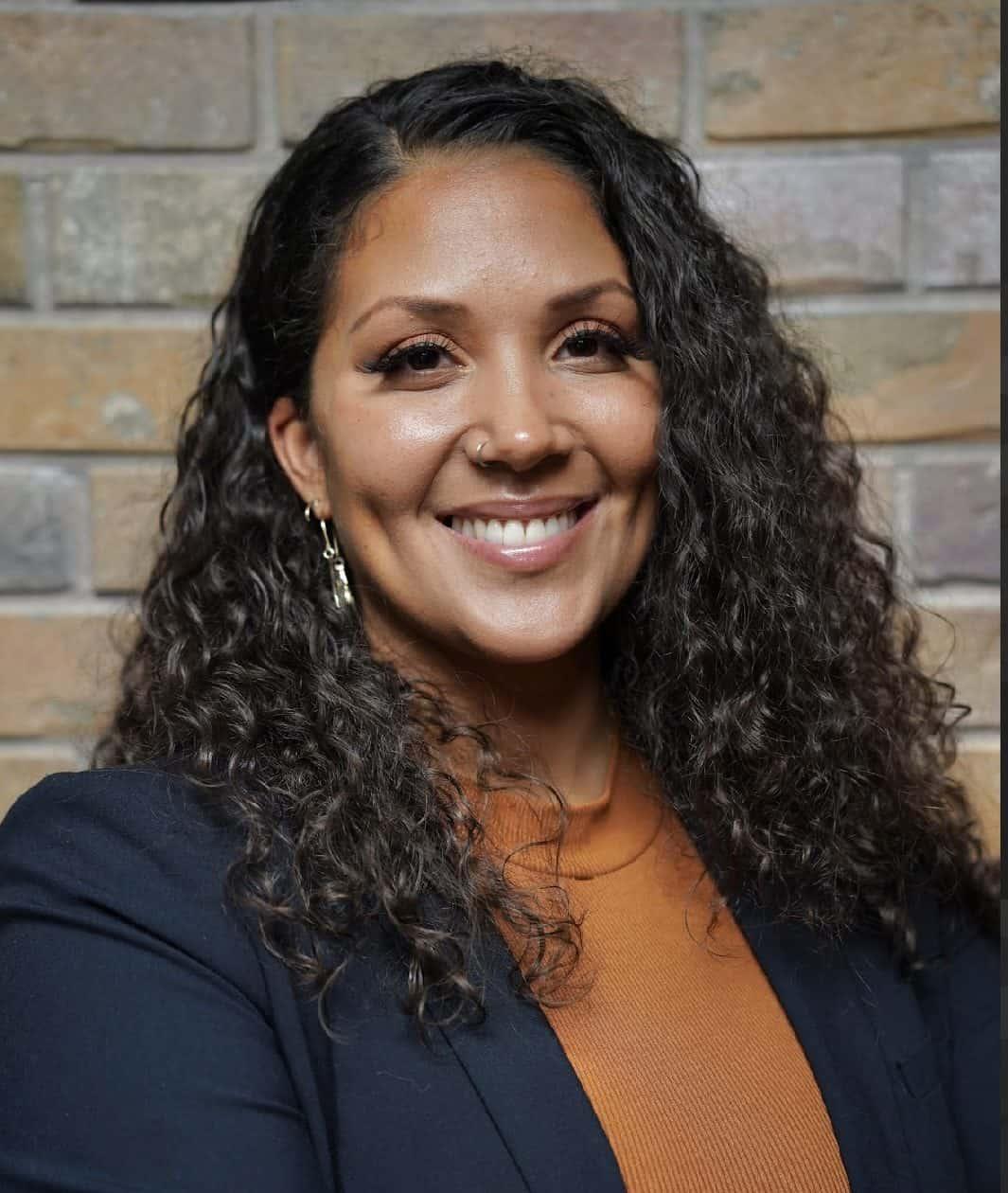
Courtney Rolle, CMHC
Clinical Mental Health Counselor