Key Takeaways
- Fentanyl has become the leading driver of overdose deaths in San Diego County, surpassing methamphetamine and heroin.
- The county has invested in expanded naloxone distribution, harm reduction services, and treatment capacity.
- Medication-assisted treatment with buprenorphine, methadone, or naltrexone is the gold standard for opioid use disorder.
- San Diego's proximity to the US-Mexico border creates unique challenges related to illicit fentanyl trafficking.
- Trust SoCal provides evidence-based opioid addiction treatment including MAT for San Diego County residents.
The Scope of San Diego's Opioid Crisis
San Diego County has experienced a dramatic escalation in opioid-related harm over the past decade, driven primarily by the proliferation of illicitly manufactured fentanyl. Overdose deaths in the county have reached record levels, with fentanyl detected in the majority of fatal overdoses. The drug's extreme potency, often fifty to one hundred times stronger than morphine, means that even small miscalculations in dosing can be lethal.
The crisis touches every demographic and geographic segment of the county. While early opioid epidemic narratives focused on prescription pill misuse in suburban communities, San Diego's current crisis spans urban neighborhoods, rural communities, military installations, and college campuses. Fentanyl has been found in counterfeit prescription pills, heroin, methamphetamine, and even cocaine, putting individuals at risk who may not even know they are consuming the drug.
San Diego's position along the US-Mexico border adds a layer of complexity to the crisis. The San Ysidro port of entry, the busiest land border crossing in the Western Hemisphere, is a major point of entry for illicit fentanyl. Law enforcement seizures of the drug at the border have increased exponentially, but the supply continues to outpace interdiction efforts.
Fentanyl is now present in many street drugs beyond opioids. Counterfeit pills made to look like prescription medications frequently contain lethal doses of fentanyl. Never take pills that were not dispensed by a pharmacy.
County and State Response Efforts
San Diego County has mobilized a multi-agency response to the opioid crisis that encompasses law enforcement, public health, healthcare, and community organizations. The county's Opioid Task Force brings together stakeholders from across these sectors to coordinate prevention, treatment, and harm reduction strategies. The task force has driven initiatives including expanded naloxone access, public awareness campaigns, and increased funding for treatment services.
At the state level, California has invested hundreds of millions of dollars in opioid response through the Opioid Response Fund and settlements with pharmaceutical companies. San Diego County has received substantial allocations from these funds, which are being used to expand medication-assisted treatment capacity, train healthcare providers in addiction medicine, and support community-based prevention programs.
Law enforcement efforts have shifted to focus on high-level drug trafficking organizations rather than individual users. The San Diego DEA field division has conducted major operations targeting fentanyl distribution networks, while local agencies have adopted policies that prioritize treatment referrals for individuals found in possession of small quantities of drugs.
Treatment Approaches for Opioid Use Disorder
Medication-assisted treatment, or MAT, is the evidence-based standard of care for opioid use disorder. MAT combines FDA-approved medications, including buprenorphine, methadone, and naltrexone, with counseling and behavioral therapies to address both the physical and psychological aspects of opioid addiction. Research consistently shows that MAT reduces overdose deaths, decreases illicit opioid use, and improves retention in treatment.
San Diego County has worked to expand MAT access by training more physicians to prescribe buprenorphine, increasing the number of opioid treatment programs offering methadone, and integrating MAT into emergency departments and primary care settings. Despite these efforts, wait times for treatment remain a challenge, particularly for residential programs.
Buprenorphine and Methadone Programs
Buprenorphine, commonly known by the brand name Suboxone, can be prescribed in office-based settings by trained physicians, nurse practitioners, and physician assistants. This accessibility makes buprenorphine the most widely used MAT medication in San Diego County. Community health centers, private clinics, and some hospital emergency departments now offer buprenorphine initiation.
Methadone must be dispensed through certified opioid treatment programs, which requires patients to visit a clinic daily for their medication, particularly during the early phases of treatment. San Diego County has multiple methadone clinics, though geographic distribution favors central and south county locations, creating access challenges for North and East County residents.
Naltrexone and Extended-Release Options
Naltrexone, available as a monthly injection under the brand name Vivitrol, blocks the effects of opioids and can be administered in any medical setting. This option is particularly useful for individuals who prefer a medication that does not activate opioid receptors and for those in criminal justice settings where opioid agonist medications may face institutional resistance.
Trust SoCal incorporates MAT into our comprehensive treatment approach, working with each client's medical team to determine the most appropriate medication based on individual clinical needs, preferences, and treatment goals. Our medical director oversees all MAT protocols to ensure safety and efficacy.
Harm Reduction in San Diego
Harm reduction strategies aim to minimize the negative consequences of drug use for individuals who are not yet ready or able to stop using. In San Diego, harm reduction efforts include widespread naloxone distribution, fentanyl test strip availability, syringe services programs, and overdose prevention education. These approaches are grounded in public health evidence and have been credited with saving thousands of lives across the county.
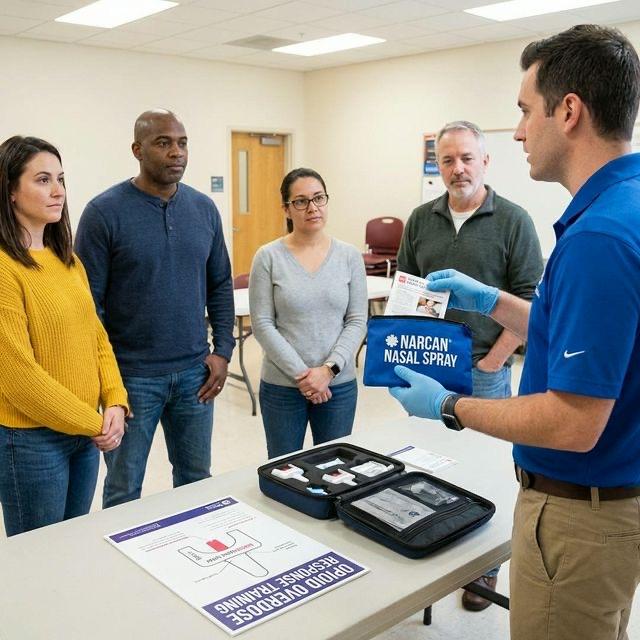
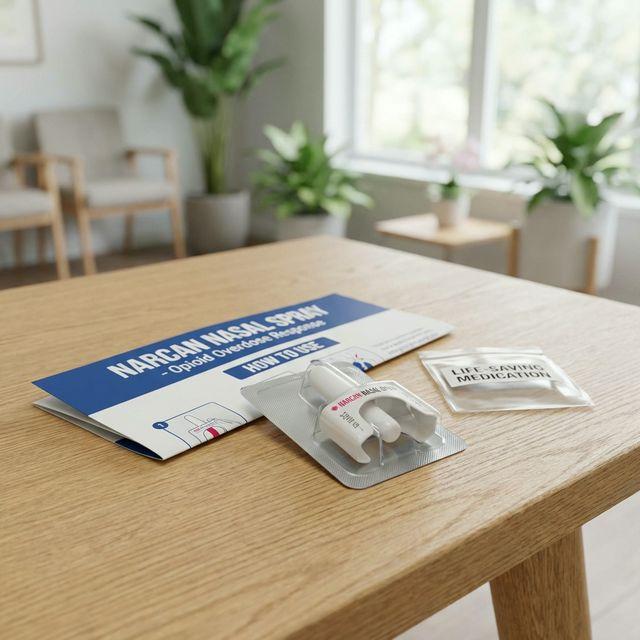
The county distributes free naloxone kits through pharmacies, community organizations, libraries, and outreach events. Fentanyl test strips, which allow users to detect the presence of fentanyl in their drug supply, are also available at harm reduction sites. While some debate the philosophical merits of harm reduction, the data clearly shows that these interventions keep people alive long enough to eventually engage in treatment.
Trust SoCal supports harm reduction as part of a comprehensive approach to the opioid crisis. We recognize that the path to recovery is not linear and that meeting individuals where they are, with compassion and without judgment, is the most effective way to ultimately engage them in treatment. Call (949) 280-8360 if you or a loved one in San Diego County is struggling with opioid addiction.
Getting Help for Opioid Addiction
If you or someone you care about in San Diego County is struggling with opioid addiction, help is available now. The San Diego County Access and Crisis Line at 888-724-7240 can connect you with local treatment resources. For those seeking private treatment with shorter wait times and individualized care, Trust SoCal in Fountain Valley offers comprehensive opioid addiction treatment including medical detox, MAT, residential care, and outpatient programming.
Recovery from opioid addiction is possible with the right combination of medical treatment, behavioral therapy, and ongoing support. The sooner treatment begins, the lower the risk of overdose and the better the long-term prognosis. Do not wait for the situation to get worse before reaching out for help.
Keep naloxone on hand if you or someone you know uses opioids. Naloxone is available without a prescription at most pharmacies in California and is covered by most insurance plans. It can reverse an opioid overdose and save a life.

Rachel Handa, Clinical Director
Clinical Director & Therapist