Key Takeaways
- Naloxone is available without a prescription at most California pharmacies and is often available for free at community distribution points.
- San Diego County distributes thousands of free naloxone kits annually through health agencies, libraries, and community organizations.
- Naloxone works by blocking opioid receptors in the brain, reversing respiratory depression caused by overdose within two to five minutes.
- Bystanders who administer naloxone in good faith are protected by California law from civil and criminal liability.
- Trust SoCal supports naloxone access as part of a comprehensive approach to the opioid crisis affecting San Diego County.
What Is Naloxone and How Does It Work?
Naloxone, commonly known by the brand name Narcan, is an opioid antagonist medication that rapidly reverses the effects of an opioid overdose. When someone overdoses on opioids such as heroin, fentanyl, oxycodone, or morphine, their breathing slows to dangerously low levels or stops entirely. Naloxone works by binding to opioid receptors in the brain and displacing the opioid molecules, restoring normal breathing within two to five minutes.
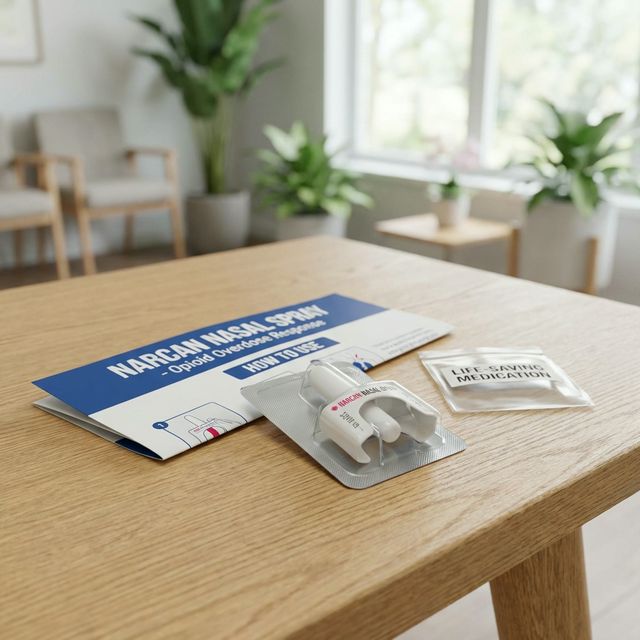
Naloxone is available in two primary forms: a nasal spray and an injectable formulation. The nasal spray, sold under the brand name Narcan, is the most widely distributed form because it requires no medical training to administer. The user simply inserts the nozzle into one nostril and presses the plunger. If the person does not respond within two to three minutes, a second dose can be administered in the other nostril.
It is important to understand that naloxone only works on opioid overdoses. It will not reverse overdoses caused by stimulants like methamphetamine or cocaine, benzodiazepines, or alcohol. However, because fentanyl is increasingly found mixed into non-opioid drugs, administering naloxone when an overdose is suspected is always appropriate, as it will not cause harm even if opioids are not involved.
Naloxone is safe, effective, and has virtually no potential for abuse. It cannot get someone high and has no effect on a person who does not have opioids in their system. There is no downside to administering it when an overdose is suspected.
Where to Get Free Naloxone in San Diego County
San Diego County has made significant investments in naloxone distribution, recognizing that putting this medication in the hands of community members is one of the most effective strategies for preventing overdose deaths. Free naloxone kits are available at numerous locations throughout the county, and new distribution points are added regularly as the program expands.
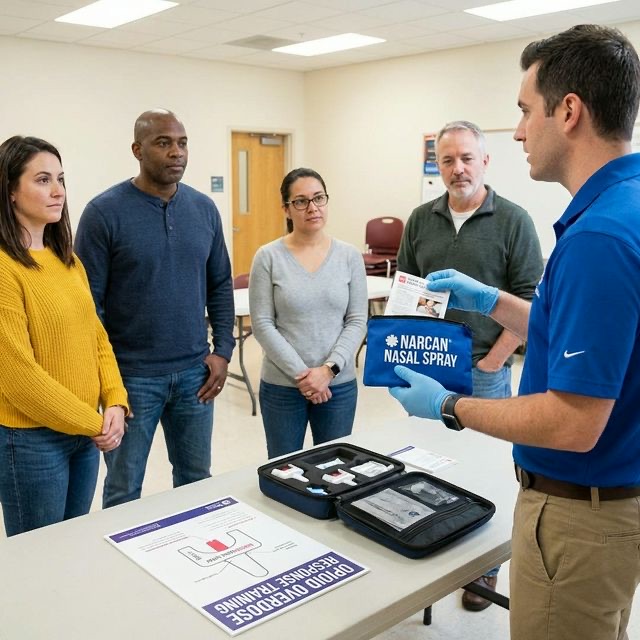
County-operated distribution programs provide free naloxone at health and human services offices, community events, and through partnerships with nonprofit organizations. The County of San Diego Health and Human Services Agency coordinates large-scale distribution events where community members can receive naloxone kits, training on how to use them, and information about addiction treatment resources.
- San Diego County health and human services offices
- Public libraries throughout the county
- Community health centers and federally qualified health centers
- Harm reduction organizations and syringe service programs
- Pharmacies participating in naloxone distribution programs
- College and university health centers
- Homeless shelters and social service agencies
- Community distribution events and health fairs
Pharmacy Access and Insurance Coverage
California law allows pharmacists to dispense naloxone without a prescription under a statewide standing order. This means anyone can walk into a pharmacy and purchase naloxone over the counter. Major pharmacy chains including CVS, Walgreens, and Rite Aid carry naloxone, and many independent pharmacies stock it as well.
Most insurance plans cover naloxone with little or no copay. Medi-Cal covers naloxone at no cost to the patient. For individuals without insurance, manufacturer coupons and patient assistance programs can significantly reduce the out-of-pocket cost. Some pharmacies also participate in programs that provide naloxone for free to uninsured individuals.
The over-the-counter availability of Narcan nasal spray, approved by the FDA, has further expanded access. This product can be purchased at pharmacies and some retail stores without any prescription, though the retail price may be higher than the prescription version covered by insurance.
Who Should Carry Naloxone?
The short answer is that everyone should consider carrying naloxone, just as many people carry first aid kits or know CPR. Opioid overdoses can happen anywhere, and the presence of fentanyl in the drug supply means that individuals who do not consider themselves opioid users may still be at risk. Having naloxone readily available can mean the difference between life and death in the minutes before emergency medical services arrive.
Specific groups who should prioritize carrying naloxone include individuals who use opioids whether prescribed or illicit, anyone who knows someone who uses opioids, parents of teenagers and young adults, people in recovery from opioid use disorder, first responders and law enforcement, teachers and school staff, social workers and outreach professionals, and residents of neighborhoods with high rates of opioid-related incidents.
California Good Samaritan laws protect bystanders who administer naloxone and call 911 during an overdose emergency. You cannot be held civilly or criminally liable for administering naloxone in good faith to someone you believe is experiencing an overdose.
How to Respond to an Opioid Overdose
Recognizing an opioid overdose is the first step in responding effectively. Signs include slow, shallow, or stopped breathing, blue or grayish lips and fingertips, pinpoint pupils, unresponsiveness to stimulation, gurgling or choking sounds, and limpness. If you suspect an opioid overdose, call 911 immediately, administer naloxone if available, place the person in the recovery position on their side, and stay with them until emergency responders arrive.
If the person does not respond within two to three minutes after the first dose of naloxone, administer a second dose. Continue to monitor their breathing and be prepared to perform rescue breathing if needed. When the person regains consciousness, they may experience withdrawal symptoms including nausea, agitation, and confusion. Explain what happened calmly and encourage them to remain on the scene until paramedics arrive.
Trust SoCal supports naloxone access and overdose prevention education as essential components of the broader response to the opioid crisis. If you or someone you know is struggling with opioid addiction in San Diego County, naloxone can prevent a fatal overdose, but treatment is the path to lasting recovery. Call (949) 280-8360 to learn about our opioid addiction treatment programs.
- 1Call 911 immediately
- 2Administer naloxone nasal spray into one nostril
- 3Place the person in the recovery position on their side
- 4Wait two to three minutes and administer a second dose if no response
- 5Stay with the person until emergency responders arrive

Rachel Handa, Clinical Director
Clinical Director & Therapist