
Key Takeaways
- Integrated treatment, where mental health and addiction are addressed by the same team at the same time, produces significantly better outcomes than sequential or parallel treatment models.
- A comprehensive biopsychosocial assessment is the foundation of effective co-occurring disorders treatment, revealing the full picture of each client's needs.
- Treatment planning for co-occurring disorders must be flexible and responsive, adapting as symptoms evolve throughout the recovery process.
- Multidisciplinary teams including psychiatrists, therapists, addiction counselors, and case managers are essential for delivering truly integrated care.
- Long-term aftercare that addresses both conditions prevents the relapse patterns that plague single-focus treatment approaches.
The Case for Integrated Treatment of Co-Occurring Disorders
For decades, the mental health and addiction treatment systems operated in isolation. Individuals with co-occurring disorders were shuffled between providers, told to get sober before their depression could be treated, or told to stabilize their mood before their addiction could be addressed. This fragmented approach consistently failed because it ignored the fundamental interconnection between these conditions.
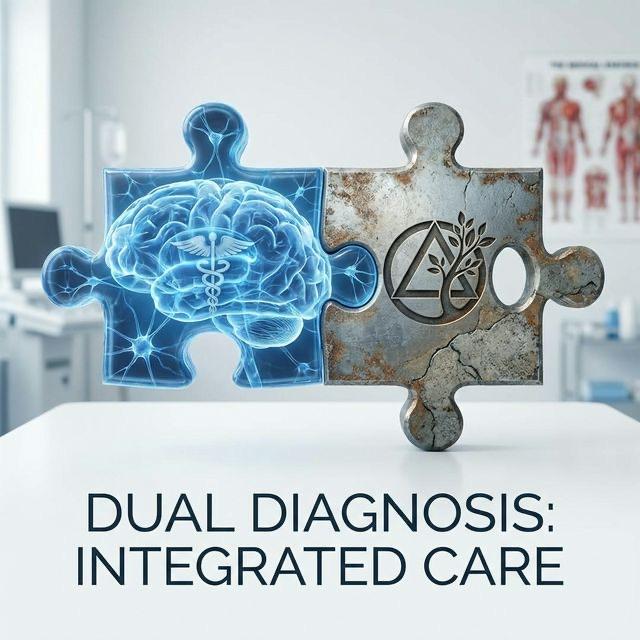
Treating co-occurring disorders with an integrated approach means addressing both the substance use disorder and the mental health condition simultaneously, within a single program, by a coordinated treatment team. This model has been validated by over two decades of research and is now endorsed by SAMHSA, the National Institute on Drug Abuse, and the American Psychiatric Association as the standard of care.
Trust SoCal in Orange County was designed from the ground up as an integrated dual diagnosis program. Every aspect of our clinical infrastructure, from staffing to treatment protocols to discharge planning, reflects the principle that co-occurring disorders require coordinated, simultaneous treatment.
Treatment Models Compared
Understanding the different models for treating co-occurring disorders helps explain why integration produces superior results. Three primary models have been used historically, each with distinct strengths and limitations.
Sequential Treatment
In the sequential model, one disorder is treated first and the other is addressed only after the first condition is stabilized. Typically, this means achieving sobriety before beginning psychiatric treatment. The fundamental flaw of this approach is that the untreated condition continually undermines progress on the treated one. A person cannot maintain sobriety when untreated depression saps their motivation, and they cannot stabilize their mood when active substance use disrupts their neurochemistry.
Sequential treatment also creates dangerous gaps in care during transitions between providers. Clients who complete an addiction program may wait weeks or months before beginning mental health treatment, a period of extreme vulnerability to relapse.
Parallel Treatment
Parallel treatment involves receiving mental health and addiction treatment simultaneously but from separate providers who do not coordinate their efforts. While an improvement over the sequential model, parallel treatment creates its own problems. Conflicting recommendations from providers who are not communicating can confuse clients and undermine treatment adherence.
For example, an addiction counselor might encourage a client to attend a stressful family confrontation as part of their recovery program, while a trauma therapist would recognize that the client is not yet ready for that level of emotional exposure. Without coordination, these contradictory approaches can do more harm than good.
Integrated Treatment
Integrated treatment addresses both disorders within a single program where the entire treatment team collaborates on a unified plan. Psychiatrists, therapists, addiction counselors, and case managers share information, coordinate interventions, and adjust strategies together as the client progresses. This model eliminates gaps, contradictions, and communication failures.
Research consistently demonstrates that integrated treatment produces better outcomes across every meaningful measure: higher rates of treatment completion, longer periods of sustained sobriety, greater improvement in psychiatric symptoms, better social functioning, and lower rates of hospitalization and crisis episodes.
The Comprehensive Assessment
Effective integrated treatment begins with a comprehensive biopsychosocial assessment that evaluates all dimensions of the client's health and functioning. This assessment goes far beyond identifying substances used and psychiatric diagnoses. It examines medical history, family psychiatric history, developmental history, trauma exposure, social supports, cognitive functioning, spiritual beliefs, and cultural factors.
The timing of the assessment matters. Initial screening occurs at intake, but the most accurate diagnostic picture often emerges over the first several weeks of treatment as substances clear the body and the client begins to stabilize. Clinicians must distinguish between symptoms that are substance-induced and those that represent independent disorders, a determination that directly influences treatment planning.
At Trust SoCal, our assessment process is ongoing rather than a one-time event. Treatment plans are living documents that evolve as new information emerges and as the client's needs change throughout the recovery process.
A comprehensive assessment for co-occurring disorders should include medical evaluation, psychiatric history, substance use history, trauma screening, cognitive screening, social and family assessment, legal history, and an evaluation of strengths and resources.
Building the Integrated Treatment Plan
The integrated treatment plan translates assessment findings into a coordinated set of interventions that address both disorders simultaneously. This plan identifies treatment goals for both conditions, specifies the therapeutic modalities to be used, assigns responsibilities to specific team members, and establishes measurable benchmarks for progress.
Effective treatment plans for co-occurring disorders prioritize interventions based on the client's most pressing needs while maintaining attention to both conditions throughout. In early treatment, medical stabilization and safety concerns take precedence. As the client stabilizes, deeper therapeutic work addressing the relationship between their mental health condition and substance use can begin.
Flexibility is essential. Co-occurring disorders are dynamic, with symptoms shifting in intensity and character as treatment progresses. A plan that was appropriate during the first week of treatment may need significant revision by the fourth week. The integrated team's ability to respond to these shifts in real time is one of the model's greatest strengths.
The Multidisciplinary Treatment Team
Integrated treatment for co-occurring disorders requires a multidisciplinary team whose members bring complementary expertise and communicate continuously. The composition of this team typically includes several key roles.
Psychiatrist and Medical Staff
The psychiatrist oversees medication management for both the mental health condition and any medication-assisted treatment for addiction. This includes selecting appropriate medications, monitoring for interactions, adjusting dosages based on clinical response, and managing the medical aspects of detox when needed. At Trust SoCal, our psychiatrist participates in weekly treatment team meetings and is available for urgent consultations.
Nursing staff provide daily medical monitoring, administer medications, and serve as the first point of contact when clients experience physical or psychiatric symptoms between scheduled appointments. Their continuous presence ensures that changes in client status are identified and addressed promptly.
Therapists and Counselors
Licensed therapists provide individual and group psychotherapy addressing both conditions. They are trained in modalities effective for co-occurring disorders, including cognitive behavioral therapy, dialectical behavior therapy, motivational interviewing, and trauma-focused therapies. Certified addiction counselors bring specialized knowledge of the recovery process and often have personal recovery experience that informs their work.
The collaboration between these professionals ensures that therapeutic interventions are consistent and complementary. When a client discusses a trauma memory in individual therapy, the treatment team can adjust group activities and medication as needed to provide appropriate support.
Evidence-Based Interventions for Co-Occurring Disorders
Several therapeutic approaches have strong evidence bases for treating co-occurring disorders. The selection of interventions depends on the specific combination of disorders, client preferences, and clinical readiness.
Motivational interviewing is often the starting point, helping clients who may be ambivalent about change explore their reasons for recovery without feeling pressured. Cognitive behavioral therapy addresses the thought patterns and behavioral cycles that maintain both conditions. Dialectical behavior therapy is particularly effective when emotional dysregulation is a central feature, as in borderline personality disorder or complex trauma.
Contingency management, which provides tangible reinforcement for treatment engagement and abstinence, has shown effectiveness for maintaining motivation in individuals whose co-occurring conditions make recovery particularly challenging. Acceptance and commitment therapy helps clients develop psychological flexibility and commitment to values-based living even in the presence of difficult thoughts and emotions.
Effective treatment is not about finding a single correct therapy. It is about assembling the right combination of interventions for each individual and adjusting that combination as needs evolve throughout recovery.
Aftercare and Continuing Care for Co-Occurring Disorders
Discharge from a residential or intensive outpatient program does not mark the end of treatment for co-occurring disorders. It marks a transition to a less intensive but equally important phase of ongoing care. Aftercare planning should begin early in treatment and address both conditions with specific, actionable strategies.
A comprehensive aftercare plan for co-occurring disorders includes ongoing psychiatric medication management, continued outpatient therapy, participation in mutual support groups, connection to community resources, crisis planning, and regular check-ins with the treatment team. At Trust SoCal, our case managers help clients build these supports before discharge to ensure a seamless transition.
Research shows that the risk of relapse for both conditions is highest in the first ninety days after formal treatment ends. Intensive continuing care during this critical period, including frequent outpatient sessions, regular medication monitoring, and accessible crisis support, significantly reduces this risk.
Choosing an Integrated Treatment Program in Orange County
When selecting a treatment program for co-occurring disorders in Orange County, look for specific indicators of truly integrated care: a single treatment team that addresses both conditions, on-site psychiatric services, evidence-based therapies delivered by licensed professionals, individualized treatment planning, and comprehensive aftercare support.
Trust SoCal provides all of these elements within a welcoming, clinically rigorous environment in Fountain Valley. Our integrated approach ensures that your mental health and addiction treatment work together rather than at cross-purposes. Contact our admissions team to learn more about how our program can address your specific combination of needs.

Rachel Handa, Clinical Director
Clinical Director & Therapist