

Key Takeaways
- Alcohol addiction involves physical dependence requiring medical detoxification, not willpower alone
- Westchester offers diverse inpatient and outpatient treatment options accommodating different addiction severities and life circumstances
- Medication-assisted treatment with naltrexone, acamprosate, or disulfiram significantly improves recovery outcomes
- Family involvement and support groups are crucial for sustained long-term recovery
- Aftercare including continuing therapy, peer support, and possible sober living is essential for preventing relapse
Understanding Alcohol Addiction in Westchester County
Westchester County faces a significant alcohol addiction crisis affecting families across White Plains, Yonkers, and surrounding communities. Alcohol remains the most commonly abused substance in the region, with substantial social, medical, and economic consequences for individuals and families.
Alcohol addiction develops gradually through complex interactions of genetics, environment, psychological factors, and neurobiological changes. What begins as social drinking can evolve into dependence marked by physical withdrawal, psychological cravings, and behavioral changes.
The Westchester Alcohol Crisis
Westchester County reports increasing rates of alcohol-related hospitalizations, drunk driving arrests, and domestic violence incidents. The COVID-19 pandemic accelerated problematic drinking patterns, with many residents turning to alcohol during isolation and stress.
Despite the severity of the crisis, stigma continues preventing many Westchester residents from seeking help. Education and accessible treatment options are essential to addressing this public health challenge.
Why Alcohol Addiction Requires Professional Treatment
Alcohol addiction affects the brain's reward system, memory, and decision-making processes. Physical dependence develops, creating withdrawal symptoms ranging from uncomfortable to life-threatening. Medical supervision is essential during withdrawal and early recovery.
Psychological components of alcohol addiction—coping with emotions, managing stress, addressing underlying trauma—require professional therapeutic intervention. Counseling alone often proves insufficient without medical support and structured treatment.
Medical Aspects of Alcohol Addiction and Withdrawal
Alcohol withdrawal presents serious medical risks requiring professional management. Withdrawal symptoms progress from mild tremors and anxiety to seizures and delirium tremens—a life-threatening condition. Medical supervision during withdrawal ensures safety and comfort.
Long-term heavy alcohol use damages multiple body systems including the liver, pancreas, heart, and brain. Treatment must address both addiction and medical consequences of chronic alcohol use.
Alcohol withdrawal can be life-threatening. Never attempt home detox without professional medical supervision. If you're experiencing withdrawal symptoms, seek immediate medical attention or contact Trust SoCal at (949) 280-8360 for guidance on safe medical detoxification.
Withdrawal Timeline and Symptoms
Withdrawal symptoms typically begin 6-24 hours after the last drink, peak at 24-72 hours, and gradually resolve over 5-7 days. Symptom severity depends on drinking duration, quantity, and individual health factors.
Early symptoms include tremors, sweating, anxiety, and irritability. Severe withdrawal can progress to hallucinations, seizures, and autonomic hyperactivity. Medical treatment prevents progression and reduces suffering.
- 6-12 hours: Tremors, sweating, anxiety
- 12-24 hours: Hallucinations (alcoholic hallucinosis)
- 12-48 hours: Seizures (peak risk at 24 hours)
- 48-96 hours: Delirium tremens (confusion, severe agitation)
- Autonomic hyperactivity: Elevated heart rate, blood pressure, temperature
Medical Detoxification in Westchester
Medical detoxification involves supervised medication management, vital sign monitoring, and medical support during withdrawal. White Plains and Yonkers facilities offer medically-supervised detox, often using benzodiazepines to prevent seizures and reduce withdrawal anxiety.
Nutritional support, vitamin supplementation, and treatment of co-occurring conditions are essential components of medical detox. Most medically-supervised detox lasts 5-7 days, followed by transition to inpatient or outpatient treatment.
Inpatient Alcohol Treatment in Yonkers and White Plains
Inpatient residential treatment provides comprehensive care addressing medical, psychological, and social dimensions of alcohol addiction. Yonkers and White Plains facilities offer comfortable environments where individuals focus entirely on recovery.
Inpatient programs work best for individuals with severe addictions, complicated medical histories, unstable living situations, or poor outpatient treatment engagement. The immersive environment supports intensive therapeutic work and behavioral change.
Program Schedule and Daily Structure
Structured daily schedules provide safety and predictability during early recovery. Residents typically wake by 7:00 AM, complete household responsibilities, attend therapies, exercise, eat nutritious meals, and participate in evening recovery activities.
Multiple therapy modalities address different aspects of recovery. Group therapy builds community, individual counseling addresses personal issues, and family sessions repair damaged relationships.
- Medical and psychiatric care 24/7
- 2-3 individual counseling sessions weekly
- 5+ hours of group therapy weekly
- Family therapy sessions twice weekly
- Educational workshops on addiction, recovery, relapse prevention
- Recreational activities: fitness, yoga, art therapy, music therapy
- Nutritional counseling and healthy meal preparation
- Spiritual or philosophical counseling as desired
Addressing Co-occurring Disorders
Many Westchester residents with alcohol addiction also struggle with depression, anxiety, bipolar disorder, or trauma. Integrated treatment addressing both addiction and mental health conditions significantly improves outcomes.
Psychiatric medications, when appropriate, stabilize mood and reduce mental health symptoms. Therapy helps individuals develop coping strategies addressing both conditions. Integrated treatment prevents one condition from triggering relapse related to the other.
Outpatient and Intensive Outpatient Alcohol Treatment
Outpatient alcohol treatment allows individuals to maintain employment, family, and community connections while receiving structured care. Westchester offers multiple outpatient intensity levels accommodating different addiction severities and life circumstances.
Outpatient programs suit individuals with mild to moderate alcohol addictions, employed or in school, with stable housing and family support. Success requires strong motivation, healthy social support, and commitment to recovery-focused behaviors.
Many Westchester programs now offer virtual or hybrid treatment options, allowing flexibility for those with scheduling constraints or preferences for remote care. Ask about telehealth options when contacting programs.
Intensive Outpatient Programs (IOP) for Alcohol
Intensive outpatient programs provide 9-20 hours of treatment weekly, typically scheduled in evening or weekend blocks. This intensity offers more structure than standard outpatient while preserving daytime employment and school.
IOP participants attend multiple group sessions, individual counseling, and educational workshops addressing recovery skills and relapse prevention. The group environment provides accountability and support from peers with shared experiences.
- 3 evenings or weekends per week
- 3-4 hours per session
- Group therapy focusing on alcohol-specific issues
- Individual counseling addressing triggers and coping
- Family involvement and relationship repair
- Drug screening and accountability measures
- Discharge planning and continuing care coordination
Evening Programs for Working Professionals
White Plains and Yonkers offer evening-only programs accommodating full-time work schedules. These programs typically meet 3-4 evenings weekly for 2-3 hours, allowing professionals to address alcohol addiction while maintaining employment and income.
Professional-focused treatment addresses work stress, perfectionism, and relationship challenges that often underlie alcohol use. Therapists experienced with professional issues provide targeted, relevant interventions.
Specialized Alcohol Recovery Programs in Westchester
Westchester communities include diverse populations with unique needs and circumstances. Specialized programs addressing specific groups—women, LGBTQ+ individuals, older adults, healthcare professionals—provide culturally sensitive, effective treatment.
Tailored programs address particular challenges and barriers faced by different populations. Women's programs, for example, address trauma, sexual abuse, and motherhood concerns. LGBTQ+ programs provide affirming environments free from discrimination.
Women-Focused Alcohol Recovery
Women with alcohol addiction often experience unique barriers including childcare responsibilities, trauma histories, and stigma. Women-only or women-focused programs create safe spaces addressing gender-specific issues.
Treatment addresses trauma, relationship patterns, parenting challenges, and self-esteem. Childcare support and flexible scheduling accommodate motherhood responsibilities while pursuing recovery.
- Trauma-informed care addressing abuse and PTSD
- Parenting skills and custody support
- Reproductive health and fertility planning
- Relationship patterns and healthy boundaries
- Childcare services during treatment
- Flexible scheduling for parenting responsibilities
- Female therapists and peer support
LGBTQ+-Affirming Alcohol Recovery Communities
LGBTQ+ individuals may turn to alcohol to cope with discrimination, identity struggles, and social rejection. Affirming treatment programs validate identity while addressing addiction and underlying trauma.
These communities provide peer support from others with similar experiences and identities. Treatment addresses internalized shame, rejection trauma, and building healthy LGBTQ+ community connections supporting recovery.
Older Adults and Late-Life Alcohol Issues
Older Westchester residents may develop alcohol problems later in life, often related to retirement, loss, or medical conditions. Age-specific programs address cognitive changes, medical complications, and social isolation.
Treatment adapted for older adults acknowledges cognitive changes, medication interactions, and health complications. Peer support from age-similar individuals reduces isolation and increases relevance.
Medication-Assisted Treatment for Alcohol Addiction
While medications cannot cure alcohol addiction, FDA-approved medications significantly support recovery by reducing cravings and supporting abstinence. Westchester providers increasingly integrate medication-assisted treatment (MAT) into comprehensive alcohol recovery programs.
Three primary medications address alcohol addiction: naltrexone, acamprosate, and disulfiram. Each works through different mechanisms, and selection depends on individual medical history, preferences, and treatment goals.
Naltrexone: Blocking Reward Pathways
Naltrexone, an opioid antagonist, blocks the rewarding effects of alcohol on the brain. This reduces the incentive to drink and decreases cravings. Available as a daily pill or monthly injection, naltrexone is widely prescribed by Westchester addiction physicians.
Naltrexone works best for individuals motivated to maintain abstinence and comfortable with medication. It has minimal side effects and doesn't interact significantly with other medications.
- Blocks opioid receptors reducing alcohol reward
- Decreases cravings and urge to drink
- Available as daily pill or monthly injection
- Minimal side effects and drug interactions
- Improves treatment engagement and compliance
Acamprosate: Stabilizing Neurotransmitters
Acamprosate helps restore neurobiological balance disrupted by chronic alcohol use. It reduces protracted withdrawal symptoms and psychological cravings that often trigger relapse weeks or months into recovery.
Acamprosate is particularly helpful for individuals struggling with persistent cravings despite several months of abstinence. It's safe, has few drug interactions, and works independently of motivation levels.
Disulfiram: The Aversion Approach
Disulfiram creates unpleasant reactions when combined with alcohol, serving as a deterrent to drinking. It's most effective for highly motivated individuals with strong external accountability. Westchester programs occasionally use disulfiram in structured settings.
Disulfiram works only through conscious daily decision to take the medication. It's less commonly used than naltrexone or acamprosate but remains valuable for certain individuals and treatment situations.
Family Support and Involvement in Recovery
Alcohol addiction deeply affects family systems. Family members often experience enabling patterns, codependency, and trauma from the addiction. Effective treatment involves family education, therapy, and healing.
Family involvement increases treatment engagement and improves recovery outcomes. Families learn healthy boundaries, reduce enabling behaviors, and process their own experiences related to the addiction.
Al-Anon and Family Support Groups
Al-Anon, a 12-step program for families of alcoholics, provides peer support for loved ones. Westchester has numerous Al-Anon meetings in White Plains, Yonkers, and throughout the county. These meetings help families process emotions, set boundaries, and focus on their own well-being.
Al-Anon teaches that family members cannot control the addiction or recovery. Detachment, accepting powerlessness, and focusing on personal healing are core principles. Many families credit Al-Anon with saving their relationships.
Family Therapy Components
Family therapy during inpatient or outpatient treatment addresses relationship damage and establishes new patterns. Therapists facilitate communication about the addiction's impact and develop strategies for supporting recovery.
Family members learn about addiction, withdrawal, treatment goals, and relapse warning signs. Education increases understanding and enables family members to support recovery without enabling drinking.
- Psychoeducation about alcohol addiction and recovery
- Communication training and conflict resolution
- Boundary-setting and healthy limit-setting
- Addressing codependency patterns
- Rebuilding trust after addiction damage
- Planning for family life in recovery
- Identifying and addressing family trauma
Aftercare and Sustained Recovery in Westchester
Treatment completion is a beginning, not an endpoint. Sustained recovery requires ongoing support, healthy lifestyle changes, and continued therapeutic work. Westchester offers diverse aftercare options supporting long-term sobriety.
Research consistently demonstrates that individuals engaging in aftercare have significantly lower relapse rates. Continued support helps individuals navigate challenges, process triggers, and maintain motivation for continued recovery.
Thousands of Westchester residents have recovered from alcohol addiction and built fulfilling sober lives. Professional treatment, continued support, and personal commitment create lasting change. If you or a loved one struggles with alcohol, reach out to Trust SoCal at (949) 280-8360 to explore treatment options and begin recovery.
Continuing Outpatient Counseling
Weekly or biweekly individual therapy provides ongoing support addressing triggers, stressors, and life changes. Addiction counselors help individuals develop coping strategies and process challenges that might otherwise trigger return to drinking.
Continuing counseling helps individuals rebuild lives, repair relationships, and address underlying issues driving the addiction. Many individuals benefit from years of ongoing therapy alongside sobriety.
Peer Support and 12-Step Programs
Alcoholics Anonymous (AA) and other 12-step programs offer free, accessible, peer-led support throughout Westchester. Meetings occur multiple times daily in most communities. Many individuals credit AA participation with their sustained recovery.
SMART Recovery, Refuge Recovery, and other secular recovery programs provide alternatives to 12-step approaches. White Plains and Yonkers host meetings for multiple recovery pathways. Finding a program matching personal beliefs and preferences increases engagement.
- Alcoholics Anonymous (AA) - daily meetings throughout Westchester
- SMART Recovery - secular peer support emphasizing self-empowerment
- Refuge Recovery - Buddhist-influenced recovery philosophy
- Celebrate Recovery - faith-based recovery program
- Online meetings and virtual support communities
- Sponsor relationships providing ongoing accountability
Sober Living Communities
Sober living houses provide transitional environments supporting early recovery. These peer-managed communities emphasize responsibility, mutual support, and continued recovery focus. Westchester has numerous sober living options from small houses to larger communities.
Residents typically work or attend school, contribute to household functioning, attend support meetings, and participate in continuing treatment. The supportive community and structure provide safety during vulnerable early recovery.
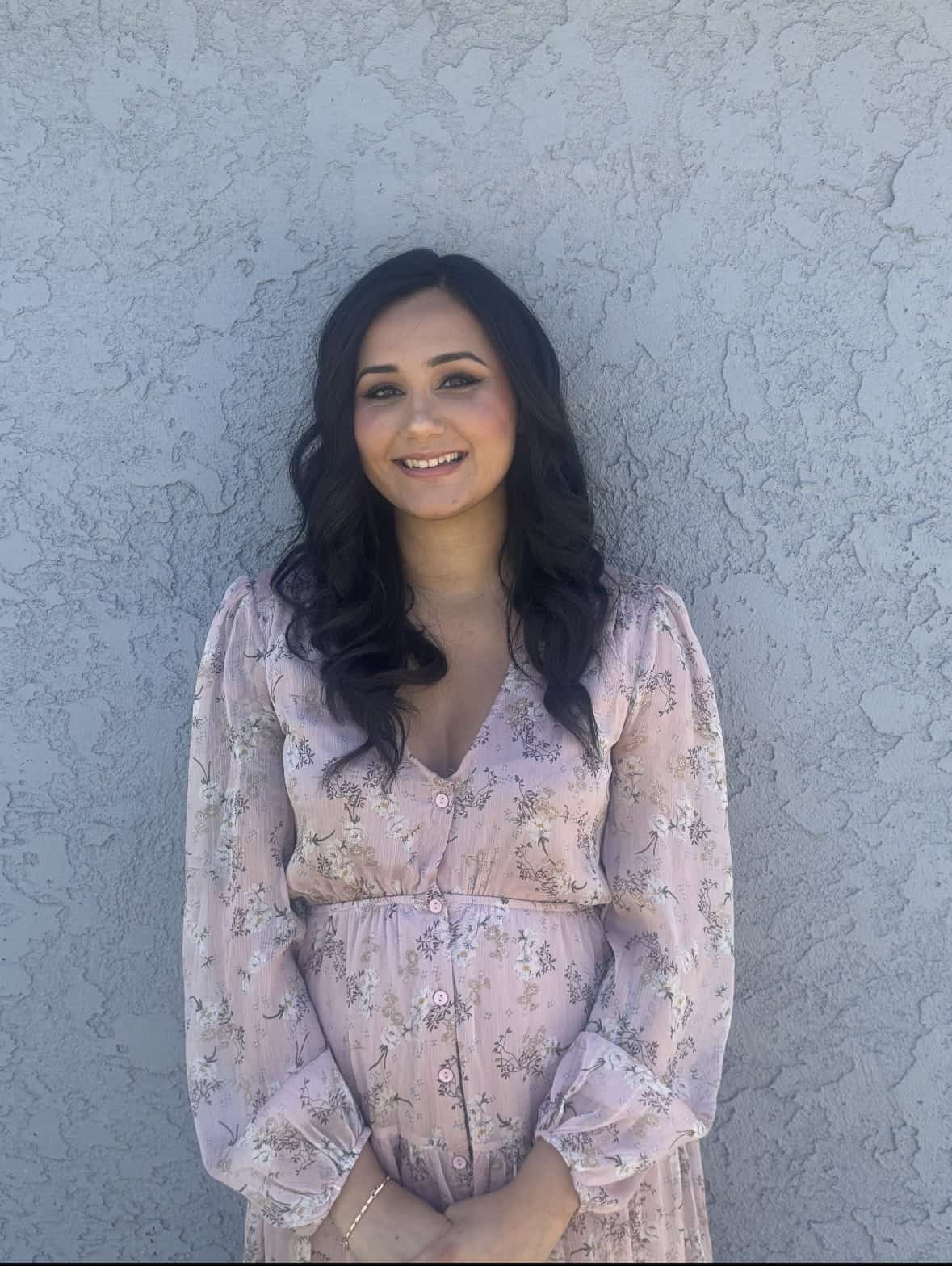
Rachel Handa, Clinical Director
Clinical Director & Therapist