Key Takeaways
- Accreditation from CARF or The Joint Commission indicates a treatment center meets national quality standards.
- Evidence-based treatment approaches backed by research are more effective than unproven or purely experiential methods.
- A strong staff-to-client ratio ensures individualized attention and better clinical outcomes.
- Comprehensive aftercare planning is one of the strongest predictors of long-term recovery success.
- Transparency about costs, methods, and outcomes is a hallmark of ethical, high-quality treatment centers.
Why Quality Varies So Dramatically in Addiction Treatment
The addiction treatment industry in the United States has grown significantly over the past two decades, driven by the opioid crisis, expanded insurance coverage through the Affordable Care Act, and increased public awareness of substance use disorders. While this growth has expanded access to care, it has also created a marketplace where quality varies dramatically from one facility to the next. Some treatment centers deliver evidence-based, clinically excellent care. Others operate with minimal clinical oversight, untrained staff, and little accountability for outcomes.
For individuals and families seeking treatment, navigating this landscape can be overwhelming and confusing. Glossy websites and luxury amenities do not necessarily indicate clinical quality, and conversely, a modest facility with a dedicated clinical team may deliver far better outcomes. Understanding what to look for can help you make a decision based on substance rather than marketing.
This guide identifies the ten most important qualities that distinguish a genuinely effective rehab center from one that falls short. These criteria are based on clinical research, industry standards, and the experience of the clinical team at Trust SoCal in Orange County.
1. Proper Accreditation and Licensing
The first thing to verify about any treatment center is its accreditation and licensing status. In California, all addiction treatment facilities must be licensed by the Department of Health Care Services. Additionally, accreditation from a national body such as the Commission on Accreditation of Rehabilitation Facilities or The Joint Commission indicates that the facility has voluntarily submitted to rigorous external review and meets or exceeds national quality standards.
Accreditation involves a comprehensive evaluation of clinical programming, safety protocols, staff qualifications, patient rights, and outcome measurement. Facilities that hold these accreditations are audited regularly and must demonstrate continuous improvement to maintain their status. Trust SoCal maintains full state licensing and adheres to the highest standards of accreditation, ensuring that every client receives care that meets national benchmarks.
2. Evidence-Based Treatment Approaches
A quality treatment center grounds its clinical programming in evidence-based practices, meaning therapeutic approaches that have been scientifically studied and shown to be effective for treating substance use disorders. These include cognitive-behavioral therapy, dialectical behavior therapy, motivational interviewing, contingency management, and medication-assisted treatment. While experiential therapies like equine therapy or art therapy can complement evidence-based treatment, they should not serve as the primary modality.
Ask the treatment center which specific evidence-based therapies they offer and how they are integrated into the treatment plan. Be cautious of programs that rely primarily on unproven approaches, promote a single ideology as the only path to recovery, or cannot articulate the clinical rationale behind their programming. A well-run program will be transparent about its methods and happy to explain how they align with current research.
Ask the admissions team to name the specific evidence-based therapies used in their program. If they cannot provide clear answers or rely on vague descriptions, consider it a red flag.
3. Qualified and Credentialed Clinical Staff
The quality of a treatment center is ultimately determined by the quality of its staff. Look for facilities that employ licensed clinicians, including Licensed Clinical Social Workers, Licensed Marriage and Family Therapists, Licensed Professional Counselors, and certified addiction counselors. Medical staff should include physicians who are board-certified in addiction medicine or psychiatry, and nursing staff should have experience in addiction and mental health care.
Staff-to-client ratios matter enormously. A facility with too many clients per therapist cannot provide the individualized attention that effective treatment requires. Ask about the average caseload per therapist and the frequency of individual therapy sessions. At Trust SoCal in Fountain Valley, the clinical team maintains manageable caseloads to ensure every client receives meaningful, personalized care rather than a generic group-based experience.
4. Individualized Treatment Planning
Every person who enters treatment brings a unique combination of substance use patterns, mental health conditions, trauma history, family dynamics, and personal strengths. A quality rehab center recognizes this and creates an individualized treatment plan based on a comprehensive assessment rather than applying a standardized program to every client.
The treatment plan should be a living document that is reviewed and updated regularly based on your progress, emerging needs, and feedback from the clinical team. Ask how often treatment plans are reviewed and whether you have input into your own plan. If a facility uses a rigid, one-size-fits-all approach, it may not be equipped to address the complexity of your situation.
5. Comprehensive Dual Diagnosis Capabilities
Given that approximately half of all individuals with substance use disorders also have co-occurring mental health conditions, the ability to provide integrated dual diagnosis treatment is not optional. It is essential. A quality treatment center has licensed psychiatrists on staff or readily available, conducts thorough psychiatric evaluations during intake, and integrates mental health treatment into the overall care plan rather than treating it as an afterthought.
Programs that focus exclusively on addiction without addressing co-occurring mental health conditions are leaving a significant portion of their clients' needs unmet. This gap in care is one of the most common reasons for relapse, and it is entirely preventable when the treatment center has the clinical depth to manage both conditions.
6. Strong Aftercare and Discharge Planning
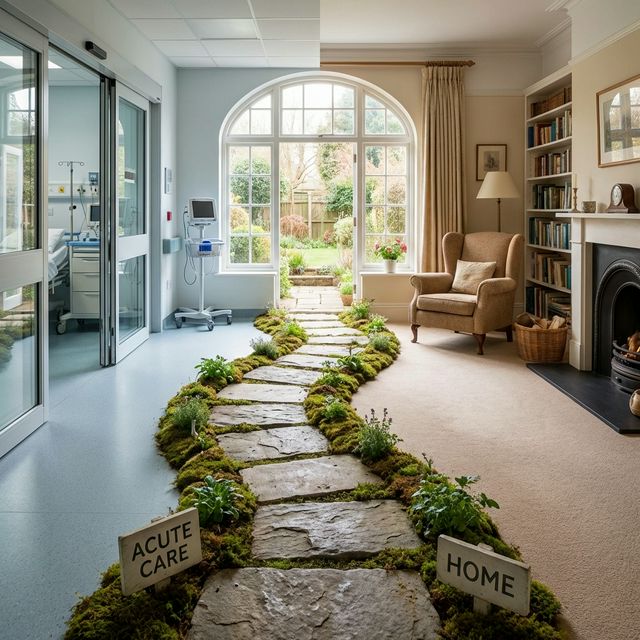
Treatment does not end at discharge, and the quality of aftercare planning is one of the strongest predictors of long-term recovery. A good rehab center begins discharge planning early in the treatment process and develops a comprehensive plan that includes continued therapy, support group connections, sober living recommendations, medication management, and relapse prevention strategies.
Ask about the facility's aftercare services. Does the program offer alumni support? Are there step-down options like PHP or IOP available? Will the treatment team help coordinate care with outpatient providers in your home community? At Trust SoCal, aftercare planning is a collaborative process that starts during the first week of treatment and results in a detailed, actionable plan for maintaining recovery after discharge.
7. Family Involvement and Support
Addiction affects the entire family system, and effective treatment centers recognize this by offering family therapy, family education, and support resources for loved ones. Family involvement in treatment has been shown to improve treatment retention, reduce relapse rates, and strengthen the family relationships that are critical for long-term recovery support.
Look for programs that offer structured family programming, including multi-family groups, individual family therapy sessions, and educational workshops about addiction and codependency. Trust SoCal in Orange County provides weekly family sessions and educational programming designed to help families understand the recovery process and develop healthier communication patterns.
8-10: Transparency, Environment, and Outcomes
The final three qualities to evaluate are transparency, treatment environment, and outcome measurement. A transparent facility will clearly communicate its costs, treatment philosophy, success rates, and any limitations of its program before you admit. Be wary of centers that use high-pressure sales tactics, make unrealistic promises, or are evasive about pricing. Ethical treatment centers prioritize informed consent over enrollment numbers.
The treatment environment should be clean, safe, and conducive to healing. While luxury amenities are nice, they are far less important than clinical quality, a supportive community atmosphere, and a sense of physical and emotional safety. Visit the facility if possible, or request a virtual tour, to assess whether the environment feels therapeutic rather than merely comfortable.
Finally, ask whether the facility measures treatment outcomes and how those data are used. Quality programs track metrics such as treatment completion rates, client satisfaction scores, and follow-up sobriety rates at 30, 60, and 90 days post-discharge. These data points provide objective evidence of the program's effectiveness and demonstrate a commitment to continuous improvement.
- 1Transparency about costs, methods, and limitations of the program.
- 2A clean, safe, therapeutic environment that prioritizes recovery over luxury.
- 3Outcome measurement including completion rates, satisfaction scores, and post-discharge follow-up.
Courtney Rolle, CMHC
Clinical Mental Health Counselor