Key Takeaways
- Trauma-informed yoga therapy addresses the somatic imprint of trauma that talk therapy alone may not reach.
- Regular yoga practice reduces cortisol, increases GABA levels, and activates the parasympathetic nervous system.
- Yoga teaches interoception, the ability to sense internal body signals, which helps people recognize and respond to cravings before they escalate.
- No prior experience or flexibility is required. Yoga therapy is adapted to meet each individual where they are.
- Combining yoga with traditional evidence-based therapies produces better outcomes than either approach alone.
How Yoga Therapy Addresses Substance Abuse
Yoga therapy for substance abuse is far more than stretching on a mat. It is a clinical intervention that uses physical postures, conscious breathing, and guided awareness to address the neurobiological, psychological, and somatic dimensions of addiction.
Addiction lives in the body as much as the mind. Trauma, stress, and emotional pain are stored in muscle tension, restricted breathing, and nervous system dysregulation. Talk therapy addresses cognitive patterns, but yoga therapy reaches the embodied experience that words often cannot access.
At Trust SoCal in Orange County, yoga therapy is facilitated by trained instructors who understand addiction and trauma. Sessions are designed to be safe, accessible, and free from judgment, creating an environment where clients can reconnect with their bodies at their own pace.
The Science Behind Yoga and Addiction Recovery
A growing body of research supports yoga as an evidence-based adjunct to addiction treatment. Studies published in the Journal of Alternative and Complementary Medicine demonstrate that regular yoga practice reduces substance use, decreases craving intensity, and improves psychological well-being.
The mechanisms are both neurological and physiological. Yoga simultaneously works on multiple systems that are disrupted by addiction, making it an unusually comprehensive therapeutic modality.
GABA, Cortisol, and Nervous System Regulation
GABA is the brain's primary calming neurotransmitter. People with substance use disorders often have depleted GABA levels, contributing to anxiety, restlessness, and insomnia. Research from Boston University found that a single 60-minute yoga session increases GABA levels by 27 percent.
Yoga also reduces cortisol, the stress hormone that drives cravings and relapse. By activating the parasympathetic nervous system through slow breathing and gentle movement, yoga shifts the body from a chronic state of fight-or-flight into rest-and-digest mode. For individuals whose nervous systems have been hijacked by addiction, this regulation is transformative.
Trauma, the Body, and Somatic Healing
An estimated 60 to 75 percent of people seeking addiction treatment have experienced significant trauma. Trauma researcher Bessel van der Kolk demonstrated that yoga is more effective than medication for treating PTSD symptoms in some populations because it addresses the body where trauma is physically stored.
Trauma-informed yoga avoids hands-on adjustments, offers choices rather than commands, and never forces anyone into positions that feel unsafe. This approach gives clients agency over their own bodies, an experience that may have been absent during traumatic events and substance use.
The body keeps the score. If the memory of trauma is encoded in visceral sensations, then recovery demands finding ways to help people feel safe in their bodies.
— Bessel van der Kolk, MD
Types of Yoga Used in Addiction Treatment
Not all yoga is created equal for recovery purposes. Certain styles are better suited to the needs of people healing from substance abuse. Treatment programs typically draw from the following modalities, adapting them based on each client's physical capacity and treatment goals.
Hatha Yoga for Beginners
Hatha yoga is a gentle, foundational style that moves slowly between postures with emphasis on alignment and breath. It is ideal for beginners and people in early recovery who may be physically deconditioned or experiencing withdrawal-related discomfort.
The deliberate pace of Hatha allows clients to notice sensations, practice breathing techniques, and develop comfort on the mat before progressing to more active styles. Most addiction treatment programs use Hatha as their primary yoga offering.
Restorative Yoga for Deep Relaxation
Restorative yoga uses props like bolsters, blankets, and blocks to support the body in passive postures held for five to fifteen minutes. The goal is complete physical surrender and nervous system deactivation.
This style is particularly beneficial for clients experiencing high anxiety, insomnia, or acute withdrawal symptoms. The extended holds allow the body to access a depth of relaxation that active yoga styles cannot replicate. Many clients describe restorative yoga as the first time they have felt truly relaxed without substances.
Vinyasa Yoga for Physical Challenge
As clients progress in their recovery and rebuild physical fitness, vinyasa yoga offers a more dynamic practice. Flowing sequences synchronized with breath build strength, endurance, and cardiovascular fitness while maintaining the mindfulness component.
The physical challenge of vinyasa provides a healthy outlet for the restless energy that many people in recovery experience. Completing a challenging sequence builds confidence and self-efficacy, reinforcing the belief that difficult things are achievable without substances.
Beginner-Friendly Yoga Poses for Recovery
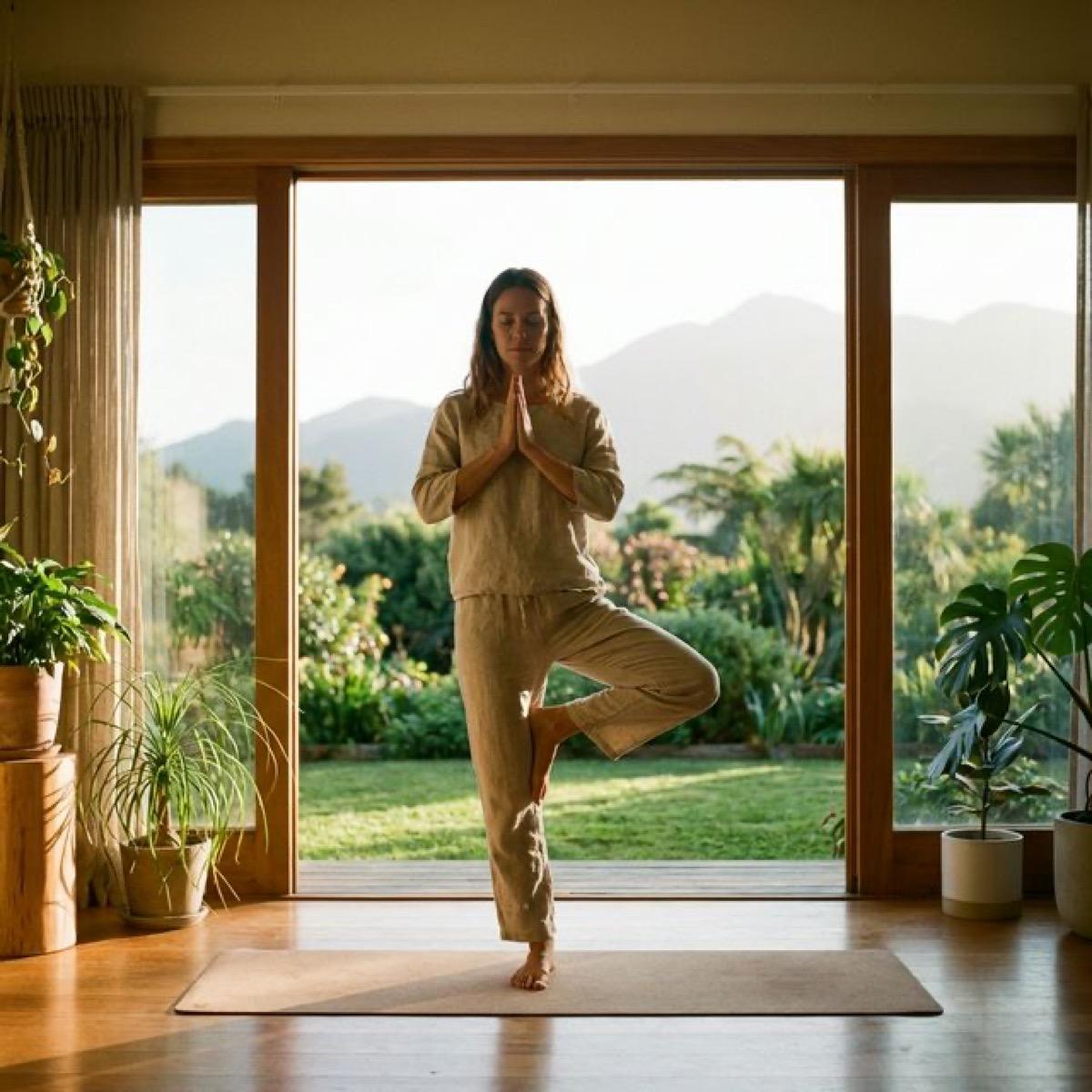
You do not need to be flexible, fit, or experienced to benefit from yoga in recovery. The following poses are accessible to virtually anyone and target the physical tension patterns most common in people healing from addiction.
Practice these poses for 15 to 20 minutes daily, holding each for five to eight breaths. Focus on the sensation of breathing rather than achieving a perfect shape. Southern California's mild climate makes outdoor practice on a patio or lawn especially enjoyable.
- Child's Pose (Balasana): releases tension in the back, shoulders, and hips while promoting a sense of safety and surrender
- Cat-Cow (Marjaryasana-Bitilasana): gently mobilizes the spine and synchronizes movement with breath
- Legs Up the Wall (Viparita Karani): calms the nervous system, reduces swelling in the legs, and promotes relaxation
- Supine Twist (Supta Matsyendrasana): releases tension in the lower back and stimulates digestion
- Corpse Pose (Savasana): the most important pose for people in recovery, practicing stillness and conscious relaxation
If sitting cross-legged on the floor is uncomfortable, use a chair. Chair yoga provides all the benefits of traditional yoga with full accessibility. Never push through pain in pursuit of a pose.
Pranayama: Breathwork Practices for Sobriety
Pranayama, the yogic practice of breath control, may be even more valuable than physical postures for people in recovery. Breath is the only autonomic function that can be voluntarily controlled, making it a direct bridge between the conscious mind and the involuntary nervous system.
Slow, deep breathing activates the vagus nerve, which runs from the brain to the abdomen and regulates the parasympathetic response. Regular pranayama practice literally trains the nervous system to default to calm rather than reactivity.
Clients at our Fountain Valley treatment center practice pranayama daily. Many report that breathwork becomes their most-used coping tool after discharge because it requires no equipment, can be done anywhere, and produces immediate relief during craving episodes.
Integrating Yoga into Your Recovery Plan
Yoga is most effective as a complement to evidence-based addiction treatment, not a replacement. It works synergistically with individual therapy, group counseling, twelve-step participation, and medication-assisted treatment when applicable.
Start with two to three sessions per week and increase as comfort and interest grow. Many communities in Orange County offer donation-based or free yoga classes specifically for people in recovery. Online platforms also provide accessible options for practicing at home.
The consistency of practice matters more than the duration or intensity. A gentle 15-minute morning practice performed daily provides more recovery benefit than an intense 90-minute class attended sporadically.
Finding Trauma-Informed Yoga Classes
Not every yoga class is appropriate for people in recovery. Standard classes may include language, themes, or physical adjustments that feel triggering or unsafe. Seeking out trauma-informed instructors ensures a supportive experience.
Trauma-informed yoga classes emphasize choice, consent, and empowerment. Instructors offer options rather than commands, avoid physical touch without explicit permission, and create a predictable structure that helps participants feel safe.
Ask potential yoga studios whether their instructors have training in trauma-informed practices or experience working with people in recovery. Many instructors in Southern California hold specialized certifications in yoga for addiction and mental health.

Courtney Rolle, CMHC
Clinical Mental Health Counselor