
Overview
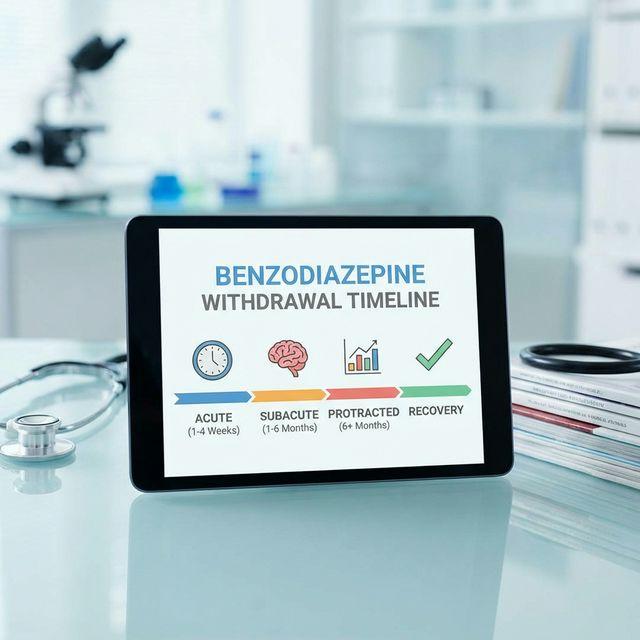
Benzodiazepine withdrawal is widely regarded as one of the most challenging and potentially dangerous forms of substance withdrawal, often requiring a carefully managed medical taper that can span weeks or even months. Benzodiazepines such as alprazolam (Xanax), diazepam (Valium), lorazepam (Ativan), and clonazepam (Klonopin) work by enhancing the effect of the neurotransmitter GABA in the brain, producing sedation, anti-anxiety effects, and muscle relaxation. When someone who has been taking benzodiazepines regularly, whether as prescribed or recreationally, stops abruptly, the brain's GABA system is left severely underactive, resulting in a state of neurological hyperexcitability that can produce symptoms ranging from severe anxiety and insomnia to life-threatening seizures. At Trust SoCal, our JCAHO-accredited medical detox program specializes in the safe management of benzodiazepine withdrawal through individualized tapering protocols supervised by board-certified physicians. Unlike many other substances where withdrawal follows a relatively predictable and compact timeline, benzodiazepine withdrawal can be protracted and unpredictable, with symptoms fluctuating in intensity over an extended period. The timeline depends heavily on which benzodiazepine was used, the dosage, the duration of use, and individual neurological factors. Short-acting benzodiazepines like alprazolam tend to produce more intense but shorter withdrawal syndromes, while long-acting benzodiazepines like diazepam may produce a more gradual but prolonged course. Regardless of the specific circumstances, attempting to stop benzodiazepines without medical supervision is strongly discouraged. If you or someone you care about is dependent on benzodiazepines, please contact Trust SoCal at (949) 280-8360 to discuss safe, medically supervised withdrawal options.