Key Takeaways
- Henderson residents have access to addiction treatment programs both locally in Clark County and at out-of-state facilities in neighboring California.
- The city's proximity to Las Vegas and The Strip creates unique environmental challenges for individuals in early recovery.
- Nevada Medicaid and most private insurance plans cover substance abuse treatment for Henderson residents.
- Henderson's suburban setting offers more recovery-supportive neighborhoods than central Las Vegas, but triggers remain present.
- Trust SoCal in Fountain Valley, California is approximately four hours from Henderson via I-15 and provides a complete change of environment for focused recovery.
Henderson, Nevada: A Growing City With Growing Treatment Needs
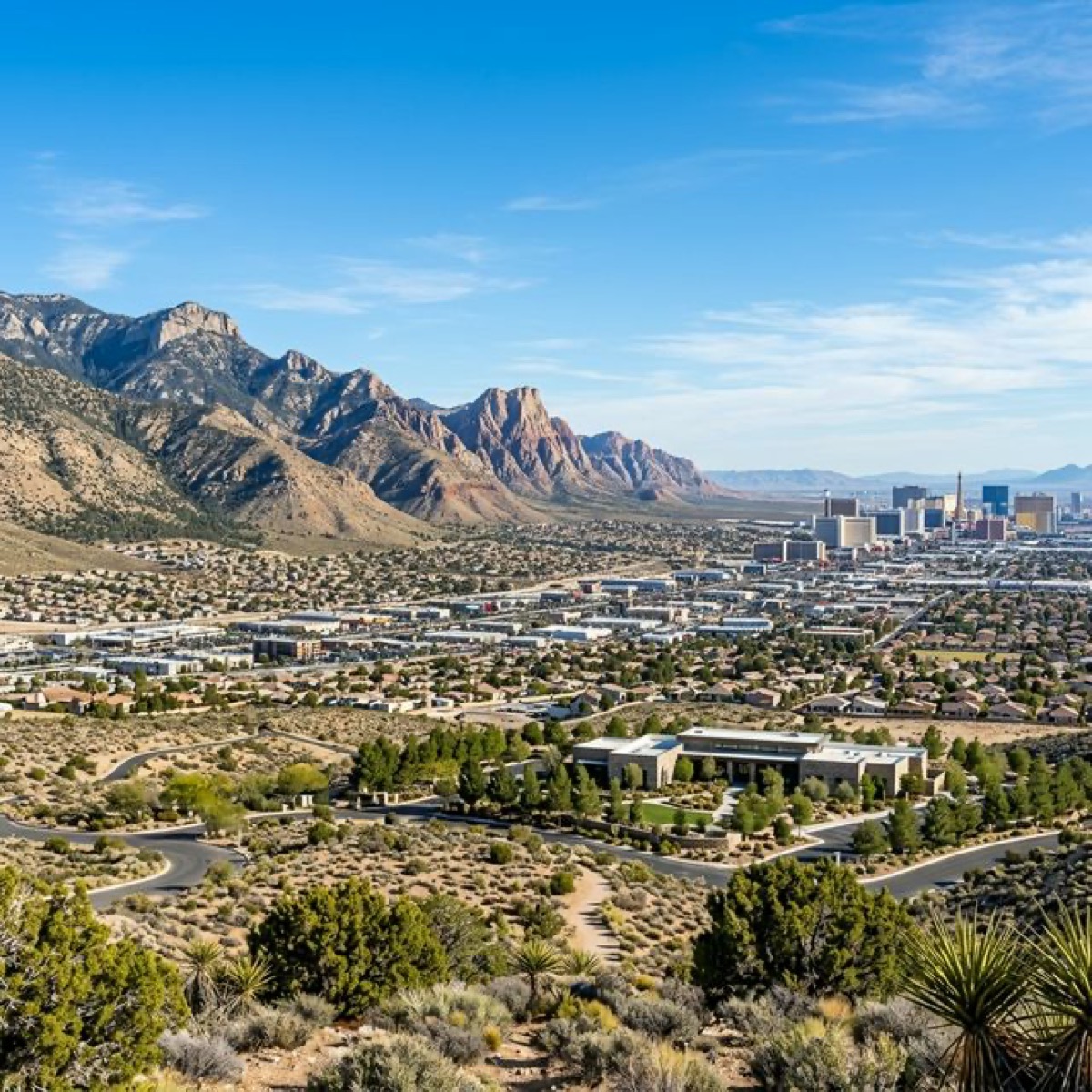
Henderson, Nevada, the second-largest city in Clark County with a population exceeding 320,000, has long been regarded as a more family-oriented and suburban alternative to the intensity of Las Vegas. Located just southeast of The Strip along the I-15 and US-95 interchange, Henderson offers a quieter residential atmosphere while remaining deeply connected to the broader Las Vegas metropolitan area.
However, Henderson is not immune to the substance abuse challenges that affect all of Clark County. As the city has grown, so has the need for accessible, evidence-based addiction treatment. Alcohol use disorder, opioid addiction, methamphetamine abuse, and prescription drug misuse affect Henderson families across every socioeconomic level.
Understanding the addiction treatment landscape available to Henderson residents is crucial for anyone seeking help, whether for themselves or a loved one. From local outpatient programs to residential treatment facilities both in Clark County and beyond, there are pathways to recovery that can work for every situation.
Henderson residents seeking immediate guidance on addiction treatment options can call Trust SoCal at (949) 280-8360 for a free, confidential consultation available 24 hours a day, 7 days a week.
Substance Abuse Trends in Henderson and Southern Nevada
Data from the Nevada Division of Public and Behavioral Health reveals that Henderson and the surrounding Clark County region continue to experience elevated rates of substance abuse and overdose. While Henderson's suburban character may create the impression of insulation from these issues, the reality is that addiction does not respect neighborhood boundaries.
Opioid-related overdoses have increased sharply across Southern Nevada in recent years, driven largely by the proliferation of illicit fentanyl. Methamphetamine remains widely available throughout Clark County, and alcohol abuse is endemic in a region where drinking culture is deeply embedded in the social fabric.
Most Commonly Abused Substances in Henderson
The substances most frequently cited in treatment admissions for Henderson-area residents reflect broader trends across Clark County and the state of Nevada.
- Alcohol remains the most common substance of abuse, fueled by the ubiquitous availability and social acceptance of drinking in Southern Nevada
- Opioids including prescription painkillers and illicit fentanyl have driven a surge in overdose deaths across Clark County
- Methamphetamine use continues at high levels, with the drug readily available through regional trafficking networks along the I-15 corridor
- Prescription benzodiazepines and stimulants are frequently misused, often in combination with alcohol or opioids
- Cocaine use persists, particularly among individuals connected to the nightlife and entertainment industries centered on The Strip
Treatment Options for Henderson Residents
Henderson residents can access addiction treatment through several pathways, including programs located within the city, facilities elsewhere in Clark County, and out-of-state treatment centers. The appropriate level of care depends on factors including the severity of the addiction, co-occurring mental health conditions, insurance coverage, and personal circumstances.
The Nevada Division of Public and Behavioral Health licenses all treatment facilities operating in the state and maintains a searchable directory of approved providers. Henderson residents should verify that any program they consider holds current DPBH licensure.
Local Outpatient Programs
Several outpatient and intensive outpatient programs serve the Henderson community, offering flexible scheduling that allows clients to continue working and caring for family while receiving treatment. These programs typically include individual counseling, group therapy, and psychoeducation.
- Individual cognitive-behavioral therapy and motivational interviewing sessions
- Group therapy addressing relapse prevention, coping skills, and emotional regulation
- Family therapy and education to rebuild relationships damaged by addiction
- Convenient locations accessible from Henderson neighborhoods via US-95 and local routes
Residential Treatment in Clark County
Residential programs in the Las Vegas metropolitan area provide 24-hour structured care for individuals who need more intensive support than outpatient treatment can offer. These programs remove the client from their using environment and provide a comprehensive therapeutic experience.
- Typical stays of 30 to 90 days with the option for extended care
- Multidisciplinary treatment teams including therapists, psychiatrists, and medical staff
- Evidence-based approaches including CBT, DBT, trauma-informed care, and motivational enhancement
- Some programs offer specialized tracks for veterans, first responders, and professionals
Insurance and Payment Options for Henderson Residents
Financial concerns should never prevent a Henderson resident from seeking addiction treatment. Multiple pathways exist to cover or offset the cost of rehab, from government-funded programs to private insurance benefits.
Nevada Medicaid provides coverage for substance abuse treatment services including medical detox, residential care, outpatient counseling, and medication-assisted treatment such as Suboxone and Vivitrol. Henderson residents who do not qualify for Medicaid may be eligible for state-funded treatment through the Nevada Division of Public and Behavioral Health's block grant programs.
Most private insurance plans sold in Nevada, including those offered through the Nevada Health Link marketplace, are required to cover substance use disorder treatment under federal parity laws. Trust SoCal can verify your insurance benefits quickly and explain your coverage options. Call (949) 280-8360 for a free insurance check.
Not sure if your insurance covers addiction treatment? Trust SoCal offers free, no-obligation insurance verification. Call (949) 280-8360 and our team will review your benefits and explain your coverage within minutes.
Why Some Henderson Residents Choose Treatment in California
While Henderson offers a more suburban and family-friendly environment compared to the Las Vegas core, many residents find that remaining in Clark County during treatment still exposes them to the triggers and social dynamics that contributed to their addiction. The proximity to The Strip, the prevalence of casinos even in Henderson neighborhoods, and the deeply ingrained drinking culture of Southern Nevada can undermine recovery efforts.
Orange County, California represents a fundamentally different environment. Located approximately four hours southwest of Henderson via I-15, communities like Fountain Valley, Huntington Beach, and Costa Mesa offer a coastal, health-conscious culture that naturally supports the recovery lifestyle.
Trust SoCal, located in Fountain Valley, has helped many Henderson and Clark County residents find lasting recovery by providing the geographic and cultural separation needed during the critical early stages of sobriety. The I-15 corridor makes travel straightforward, and many families find the drive manageable for participation in family therapy sessions.
The drive from Henderson to Trust SoCal in Fountain Valley takes approximately four hours via I-15 South through Barstow and San Bernardino. Many families find this distance ideal: far enough for separation from triggers, close enough for regular involvement in the recovery process.
Building a Recovery Community in Henderson
For Henderson residents who complete treatment locally or return home after out-of-state rehab, building a strong recovery community is essential for long-term sobriety. Henderson and the surrounding Clark County area have a growing network of recovery support resources.
Twelve-step meetings including Alcoholics Anonymous and Narcotics Anonymous meet regularly at locations throughout Henderson. SMART Recovery and other secular recovery programs are also available in the area. Sober social events, recovery-focused fitness groups, and alumni programs from local treatment centers provide opportunities to connect with others on the recovery path.
Recovery Support Resources in the Henderson Area
Henderson residents in recovery can access a range of community-based support services to strengthen their sobriety.
- Multiple AA and NA meeting locations throughout Henderson and Green Valley
- SMART Recovery meetings for those preferring a non-12-step approach
- Recovery community organizations providing peer support and mentoring
- Sober living homes offering structured transitional housing after treatment
- Outpatient therapy and psychiatric services for ongoing mental health support
Getting Started With Addiction Treatment From Henderson
Taking the first step toward addiction treatment can feel overwhelming, but the process does not have to be complicated. Whether you are considering local options in Henderson and Clark County or exploring the possibility of treatment in Orange County, California, experienced admissions professionals can guide you through every step.
Trust SoCal's admissions team is available around the clock to answer questions, verify insurance, and help Henderson residents develop a personalized plan for entering treatment. Every call is confidential, and there is never any obligation. Reach out today at (949) 280-8360 and take the first step toward a life free from addiction.

Kristin Stevens, LCSW
Licensed Clinical Social Worker