Key Takeaways
- Clark County offers a range of drug rehab options including medical detox, inpatient, outpatient, and intensive outpatient programs.
- Nevada Medicaid and private insurance cover many addiction treatment services for Las Vegas residents.
- The Nevada Division of Public and Behavioral Health oversees licensing and regulation of treatment facilities statewide.
- Proximity to The Strip and casino culture makes specialized relapse prevention planning essential for Las Vegas residents.
- Out-of-state treatment in locations like Orange County, California can provide geographic separation from triggers and a fresh start.
Understanding the Addiction Crisis in Las Vegas
Las Vegas and the broader Clark County region face a substance abuse crisis that mirrors and in some ways exceeds national averages. The city's 24/7 nightlife culture, easy access to alcohol and drugs along The Strip, and the transient nature of the tourism industry create an environment where substance use disorders can develop rapidly and escalate without intervention.
According to data from the Nevada Division of Public and Behavioral Health, Clark County consistently reports some of the highest rates of drug overdose deaths in the state. Methamphetamine, fentanyl, and prescription opioids are among the most commonly abused substances, while alcohol use disorder remains widespread across all demographics.
For residents living in neighborhoods from Summerlin to North Las Vegas, Henderson to the communities along the US-95 corridor, the need for accessible, high-quality drug rehabilitation has never been greater. Understanding what treatment options exist is the first step toward building a life free from addiction.
If you or someone you love is experiencing a drug or alcohol emergency, call 911 immediately. For non-emergency treatment guidance, contact Trust SoCal at (949) 280-8360.
Types of Drug Rehab Programs Available in Las Vegas
Drug rehabilitation in Las Vegas encompasses a continuum of care designed to meet individuals wherever they are in their recovery journey. The most effective treatment plans often combine multiple levels of care, starting with the most intensive and stepping down as the individual stabilizes and builds coping skills.
Clark County is home to dozens of licensed treatment facilities, ranging from hospital-based detox programs to standalone residential centers and community outpatient clinics. The Nevada Division of Public and Behavioral Health maintains a directory of licensed facilities and can help residents verify that a program meets state standards.
Medical Detoxification
Medical detox is typically the first phase of treatment for individuals who are physically dependent on substances such as opioids, benzodiazepines, or alcohol. Detox programs in Las Vegas provide 24-hour medical supervision to manage withdrawal symptoms safely. Most detox stays last between 3 and 10 days depending on the substance and severity of dependence.
- Round-the-clock medical monitoring and medication-assisted withdrawal management
- Assessment and stabilization before transition to residential or outpatient care
- Available at hospitals and dedicated detox centers throughout Clark County
- Often covered by Nevada Medicaid and most private insurance plans
Inpatient and Residential Treatment
Residential treatment programs in Las Vegas typically last 30 to 90 days and provide a structured, substance-free living environment. Clients participate in individual therapy, group counseling, psychoeducation, and holistic wellness activities. For individuals with severe addictions or co-occurring mental health disorders, residential care offers the intensity and support needed to establish a foundation for recovery.
- Structured daily schedules including therapy, education, and wellness activities
- Removal from environmental triggers found along The Strip and throughout the city
- Programs for specific populations including veterans, women, and young adults
- Typical stays range from 30 to 90 days with extended care options available
Outpatient and Intensive Outpatient Programs (IOP)
Outpatient programs allow individuals to receive treatment while continuing to live at home and maintain work or family responsibilities. Intensive outpatient programs typically require 9 to 15 hours of treatment per week and are available at facilities across Las Vegas, from downtown to the suburban communities of Summerlin and Henderson.
- Flexible scheduling including evening and weekend sessions
- Individual and group therapy sessions multiple times per week
- Appropriate for individuals stepping down from residential care or those with mild to moderate substance use disorders
- Many programs accessible via I-15 and US-95 corridors for convenient commuting
How Nevada Medicaid and Insurance Cover Drug Rehab
One of the most common barriers to seeking drug rehab in Las Vegas is the belief that treatment is unaffordable. In reality, Nevada Medicaid covers a comprehensive range of substance abuse treatment services for eligible residents, including detox, residential treatment, outpatient therapy, and medication-assisted treatment.
Private insurance plans sold in Nevada are required under the Affordable Care Act and the Mental Health Parity and Addiction Equity Act to cover substance use disorder treatment at levels comparable to medical and surgical benefits. Most major insurers operating in Clark County, including Health Plan of Nevada, Anthem Blue Cross Blue Shield, and UnitedHealthcare, provide coverage for drug rehabilitation services.
Trust SoCal in Fountain Valley, California accepts most major insurance plans and can verify your coverage within minutes. Call (949) 280-8360 to speak with an admissions coordinator who can walk you through your benefits and out-of-pocket costs.
Nevada Medicaid covers substance abuse treatment including detox, residential care, outpatient services, and medication-assisted treatment. To check eligibility, contact the Nevada Division of Welfare and Supportive Services or call Trust SoCal at (949) 280-8360 for a free insurance verification.
The Role of the Nevada Division of Public and Behavioral Health
The Nevada Division of Public and Behavioral Health (DPBH) is the state agency responsible for licensing and regulating substance abuse treatment facilities. All legitimate rehab centers operating in Clark County must hold a valid license from the DPBH, which conducts regular inspections and enforces standards of care.
The DPBH also administers federal block grant funding that supports treatment access for uninsured and underinsured Nevada residents. Through its network of certified community behavioral health providers, the division helps ensure that drug rehabilitation services are available to Las Vegas residents regardless of their ability to pay.
How to Verify a Treatment Center Is Licensed
Before enrolling in any drug rehab program in Las Vegas, it is essential to verify that the facility holds a current license from the Nevada Division of Public and Behavioral Health. You can search the DPBH provider directory online or call the division directly. Additionally, look for accreditation from national bodies such as The Joint Commission or CARF International.
- Check the DPBH online provider directory for current licensing status
- Look for Joint Commission or CARF accreditation as additional quality indicators
- Ask the facility for their license number and verify it independently
- Report concerns about unlicensed or fraudulent programs to the DPBH
Challenges of Staying Sober in Las Vegas
Recovery in Las Vegas presents challenges that are virtually unique among American cities. The omnipresence of alcohol, the casino culture that permeates daily life far beyond The Strip, and the social normalization of excess can make maintaining sobriety extraordinarily difficult, particularly in early recovery.
Residents of Summerlin, North Las Vegas, and communities along the I-15 corridor may find it easier to create distance from the most intense triggers associated with The Strip and downtown, but the reality is that Las Vegas culture extends into neighborhoods, workplaces, and social circles throughout Clark County.
This is one of the reasons that many Las Vegas residents and their families consider out-of-state treatment options. A geographic change can provide the breathing room needed to focus entirely on recovery without the constant environmental triggers that define life in Southern Nevada.
Many addiction specialists recommend that Las Vegas residents in early recovery consider treatment in a location removed from the casino and nightlife culture. Trust SoCal in Fountain Valley, California is just a four-hour drive down I-15 and offers a peaceful Orange County setting for focused recovery.
Why Las Vegas Residents Choose Out-of-State Rehab
A growing number of Clark County residents are choosing to travel to California for drug rehabilitation, and the reasons are compelling. Orange County, California, located approximately four hours southwest of Las Vegas via I-15, offers world-class treatment facilities in a temperate coastal environment that is fundamentally different from the desert landscape and culture of Southern Nevada.
Trust SoCal, located in Fountain Valley in the heart of Orange County, has helped numerous Las Vegas residents begin their recovery journey. The facility offers medical detox, residential treatment, and outpatient programs in a setting that promotes healing and reflection. The geographic separation from Las Vegas provides an invaluable buffer during the vulnerable early weeks and months of sobriety.
Benefits of Traveling to Orange County for Treatment
The advantages of seeking treatment outside Las Vegas extend beyond simple geographic distance. Orange County offers a recovery-supportive community, year-round mild weather conducive to outdoor therapeutic activities, and a cultural environment that does not revolve around gambling and nightlife.
- Complete separation from Las Vegas triggers, dealers, and using environments
- Access to Orange County's established recovery community and sober support networks
- Mild coastal climate that supports outdoor therapy, exercise, and mindfulness practices
- High-quality treatment programs with experienced, specialized clinical staff
- Easy travel via I-15 allows family involvement in therapy and visiting
Building a Long-Term Recovery Plan in Clark County
Whether you complete treatment locally or return to Las Vegas after out-of-state rehab, having a robust long-term recovery plan is essential. Clark County has a growing recovery community with numerous 12-step meetings, SMART Recovery groups, and sober social activities that can provide the ongoing support needed to maintain sobriety.
Aftercare planning should begin during treatment and include connections to local therapists, psychiatrists, and support groups. Many treatment centers, including Trust SoCal, coordinate aftercare referrals for clients returning to the Las Vegas area to ensure continuity of care.
Sober living homes in Las Vegas and Henderson provide structured transitional housing for individuals who need additional support after completing residential treatment. These residences offer accountability, community, and a substance-free living environment during the critical early months of recovery.
Taking the First Step Toward Recovery
If you or a loved one in Las Vegas is struggling with drug addiction, know that effective treatment is available and recovery is possible. The hardest part is often making the initial phone call, but that single action can set the course for a transformed life.
Trust SoCal is available 24 hours a day, 7 days a week to answer questions about treatment options, verify insurance coverage, and help you develop a plan for entering rehab. Whether you choose local treatment in Clark County or decide that the fresh start of Orange County is right for you, our team is here to guide you through every step of the process. Call (949) 280-8360 today.
Recovery starts with one call. Contact Trust SoCal at (949) 280-8360 for a free, confidential consultation. Our admissions team is available around the clock to help Las Vegas residents access the treatment they deserve.
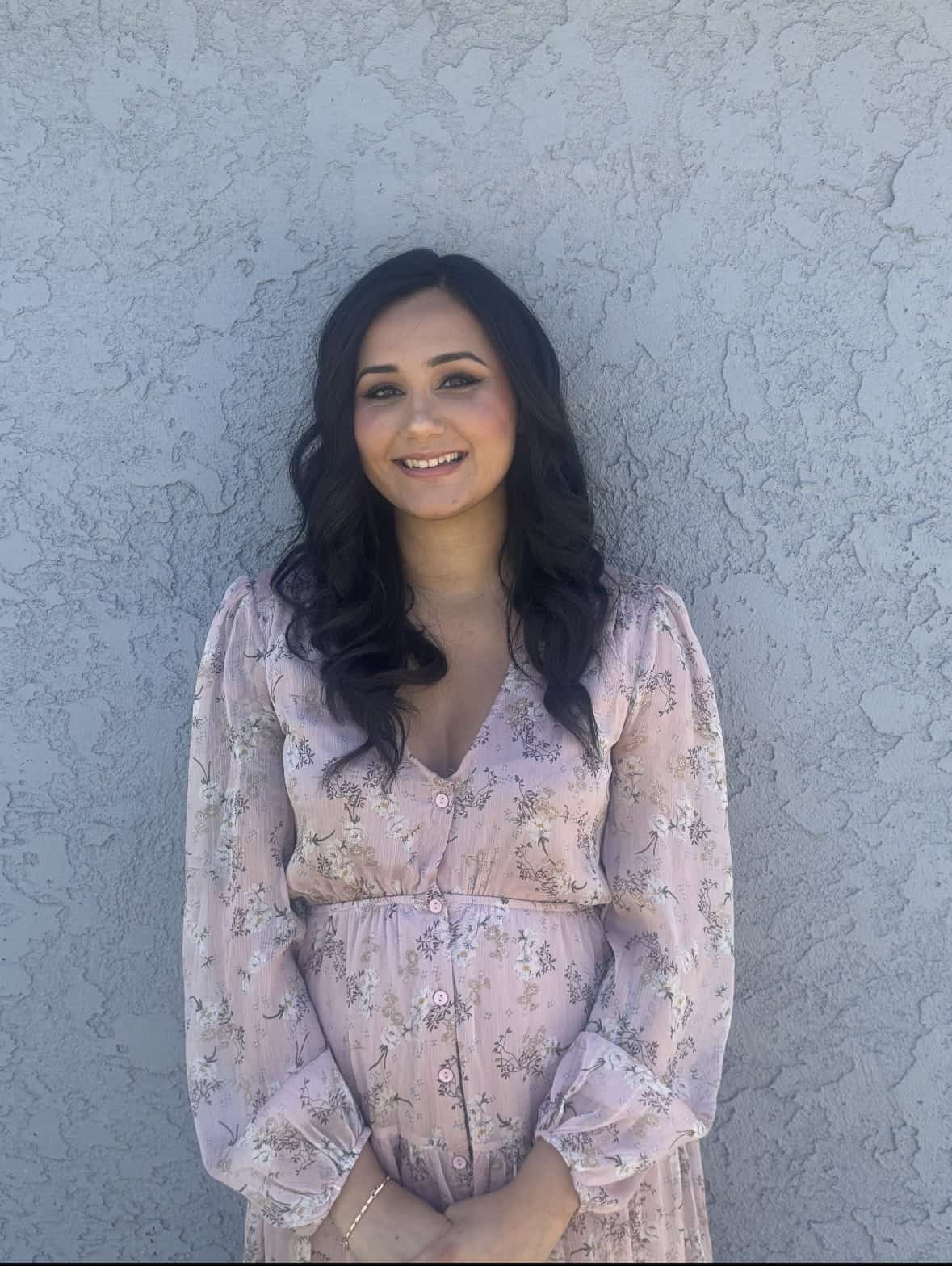
Rachel Handa, Clinical Director
Clinical Director & Therapist