

Key Takeaways
- Maui's residential treatment capacity of fewer than 80 beds across the entire county is severely insufficient for the population of 160,000, resulting in waiting lists that can extend weeks or months.
- Outpatient and intensive outpatient programs are available on Maui but face geographic challenges for residents on outer islands and remote areas, with telehealth services emerging as a critical access bridge.
- Medication-assisted treatment for opioid addiction is limited on Maui, with only a handful of providers available and longer waits than on Oahu or the mainland.
- Geographic separation from island-based using environments is a clinically significant advantage that contributes to the growing trend of Maui residents seeking mainland treatment.
- Many Maui residents find that mainland treatment on the mainland provides faster access, more specialized programming, and better long-term outcomes than waiting weeks for local programs.
- Family involvement in treatment is facilitated through telehealth sessions and occasional in-person visits, allowing loved ones to participate meaningfully despite the distance.
Understanding Maui's Substance Abuse Challenge
Maui County, encompassing the islands of Maui, Molokai, and Lanai with a combined population of approximately 160,000 residents, faces a growing substance abuse crisis that mirrors many communities across Hawaii while presenting unique island-specific challenges. The islands that draw over three million tourists annually for their natural beauty and recreational appeal also serve as trafficking hubs for methamphetamine, fentanyl, and other illicit substances that reach users through the same supply chains that serve the hospitality industry. Methamphetamine remains the dominant drug of abuse on Maui, accounting for the majority of treatment admissions and emergency department visits related to substance use.
The economic landscape of Maui—heavily dependent on tourism and limited in employment diversity—creates economic pressures that contribute to substance abuse vulnerability. Workers in the hospitality and service industries, which comprise a significant portion of Maui's labor force, face demanding schedules, low wages relative to the island's astronomical cost of living, and work environments where alcohol and substance use are readily available. Families struggling with economic insecurity, housing instability, and limited educational opportunities face cumulative risk factors that increase vulnerability to addiction. The tight-knit nature of Maui's communities means that drug connections and enabling relationships persist with particular intensity, making recovery challenging without adequate treatment resources and geographic separation.
Despite these challenges, Maui has developed a network of dedicated treatment providers who work tirelessly with limited resources to serve their community. Understanding what treatment is available on Maui, what gaps exist, and when mainland options like Trust SoCal at (949) 280-8360 might offer superior clinical outcomes is essential for individuals and families navigating addiction recovery decisions.
The Treatment Capacity Crisis
Maui's total residential treatment capacity stands at fewer than 80 beds across the entire county—a stark insufficiency for a population of 160,000 residents. The largest facilities can accommodate 20 to 30 clients at a time, creating bottlenecks that result in waiting lists stretching weeks or months, particularly for publicly funded programs through QUEST Integration Medicaid. Individuals seeking immediate residential treatment during a moment of crisis—when motivation and readiness are at their peak—often face the discouraging news that no beds are available and must either accept placement on a waiting list with no guaranteed timeline or look beyond Maui for alternatives.
Residential Treatment Programs on Maui
The residential treatment programs available on Maui provide 30 to 90-day inpatient care in structured therapeutic environments, combining individual counseling, group therapy, medical oversight, and life skills training. These programs serve as the backbone of Maui's addiction treatment infrastructure, offering the intensive intervention that is most effective for moderate to severe substance use disorders. Despite their critical importance, these programs struggle with chronic underfunding, workforce shortages, and capacity limitations that prevent them from meeting the full scope of community need.
Quality and specialization vary among Maui's residential programs. Some programs have developed particular expertise in treating specific populations—such as women with children, individuals involved in the criminal justice system, or Native Hawaiian communities—while others maintain a more general approach. Most programs integrate cultural elements recognizing Hawaiian values including ohana (family), aloha 'aina (connection to land), and community-based healing traditions. The clinical staff at these programs often hold multiple licensures and maintain deep community connections, lending to a personalized, culturally informed approach to treatment.
Women's Programs
Several Maui residential programs specialize in treating women with substance use disorders, recognizing that women often experience distinct pathways to addiction including trauma from domestic violence and childhood abuse. These women-focused programs frequently accommodate mothers with young children, addressing a critical barrier that prevents many women from seeking treatment. Facilities offering onsite childcare or allowing children to reside with their mothers enable women to maintain family connections while receiving intensive treatment for their own recovery needs.
Men's Programs
Residential programs serving men on Maui address the particular challenges facing male clients, including employment pressures, masculinity socialization that discourages help-seeking, and the specific pattern of substances most prevalent among men on the island. Programming incorporates skill-building for employment readiness and financial management, recognizing that many men seek treatment when employment consequences have become severe.
Outpatient and Intensive Outpatient Services
Outpatient treatment on Maui serves individuals with less severe addictions, stable living situations, and strong support systems, as well as those transitioning from residential treatment. Intensive outpatient programs (IOPs) typically meet three to four days per week for three to four hours per session, allowing participants to maintain employment, attend school, or manage family responsibilities while receiving structured treatment. Standard outpatient programs offer even greater flexibility, with weekly individual therapy and group counseling sessions that can be scheduled around work commitments.
Community health centers throughout Maui—including facilities in Kahului, Wailuku, Lahaina, and Kihei—provide outpatient substance abuse assessment, counseling, and treatment services, often integrated with primary medical care. The integration of addiction treatment with general healthcare services has been shown to improve outcomes and facilitate early identification of substance abuse problems in medical settings. However, the geographic dispersion of Maui's population means that some residents, particularly those in Molokai and rural areas of Maui, face transportation barriers to accessing outpatient care.
Medication-Assisted Treatment Access
Medication-assisted treatment (MAT) for opioid addiction, utilizing medications such as buprenorphine and methadone, represents an evidence-based standard of care that has demonstrated superior outcomes compared to abstinence-only approaches. Access to MAT on Maui is limited, with only a handful of providers able to prescribe and manage buprenorphine treatment, and methadone maintenance available through limited facilities. This shortage of MAT capacity has become increasingly critical as opioid and fentanyl use has risen on the islands.
The Hawaii DOH has made efforts to expand MAT access on neighbor islands through loans of practitioners and expansion of telehealth prescribing options under federal flexibilities. However, these efforts have not fully closed the access gap, and many individuals seeking MAT on Maui face long waits or are forced to travel to Honolulu to access treatment. Trust SoCal's admissions team can discuss MAT options and coordinate mainland treatment if immediate access is clinically necessary.
Why Maui Residents Choose Mainland Treatment
An increasing number of Maui residents are choosing to pursue addiction treatment on the mainland—particularly in Southern California—due to the combination of wait times on Maui, access to specialized programs, and the clinical benefits of geographic separation from using environments. The flight from Kahului to Southern California airports takes approximately five hours, making mainland treatment geographically feasible while still allowing for family involvement through visits and telehealth family sessions.
Trust SoCal, located at 16537 Elm Cir, Fountain Valley, CA 92708, has worked with numerous Maui residents and has developed expertise in coordinating care for island populations. Our admissions team understands the insurance coordination requirements for out-of-state treatment, can arrange immediate admission within 24 to 48 hours, and provides culturally sensitive care for Hawaiian and Pacific Islander clients. The investment in a flight to the mainland is often offset by avoiding weeks of waiting and gaining access to comprehensive, specialized treatment programming. Call (949) 280-8360 to discuss whether mainland treatment at Trust SoCal might be the right choice for your recovery.
If you are a Maui resident facing a wait for local residential treatment, contact Trust SoCal immediately. We can often arrange admission within 24 hours while your local treatment list wait continues. There is no obligation or penalty for exploring mainland options alongside local resources.
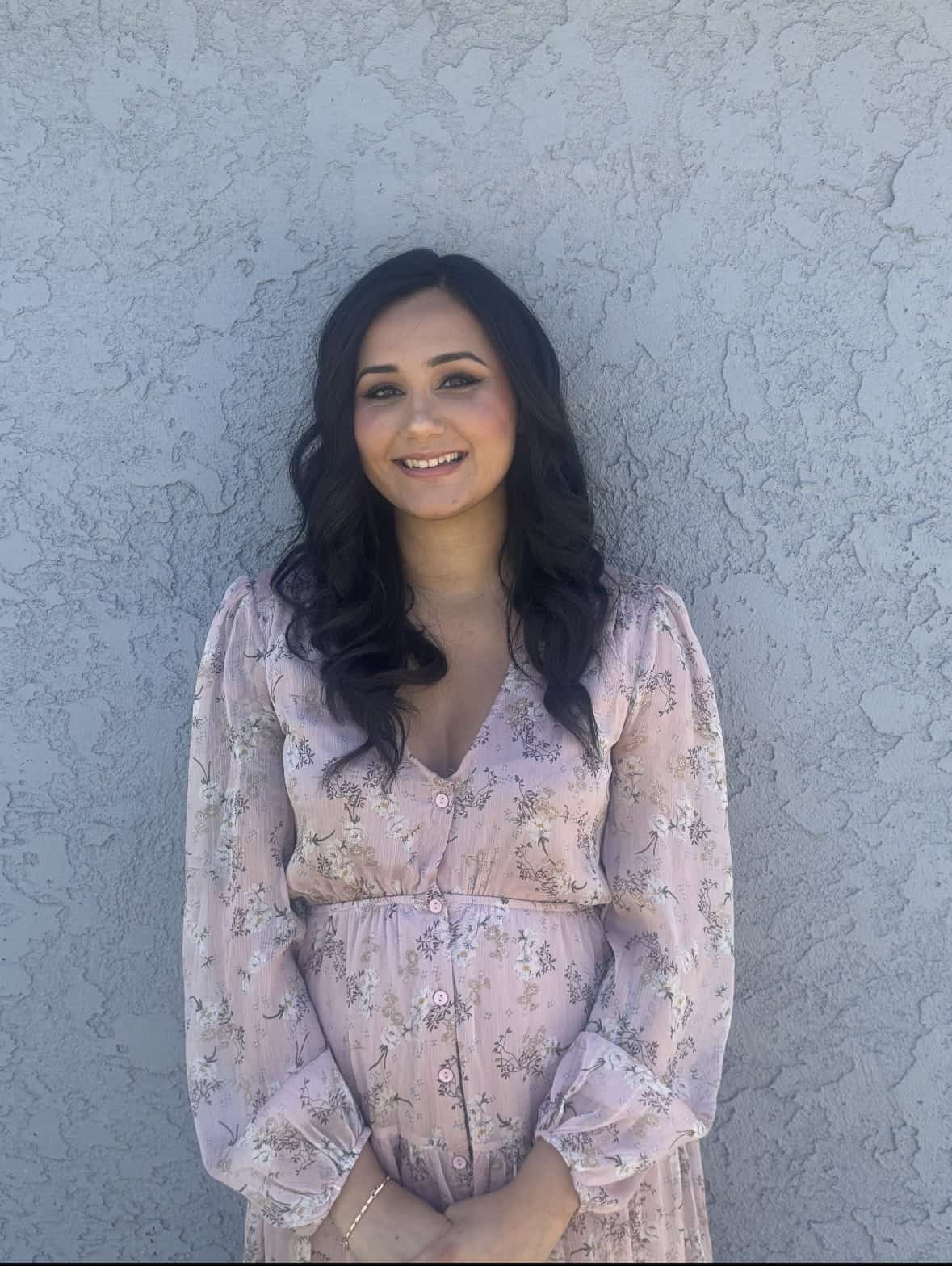
Rachel Handa, Clinical Director
Clinical Director & Therapist