Key Takeaways
- OKC has over 40 licensed treatment facilities addressing various addiction types
- Traveling to Orange County, CA provides access to specialized beach-community recovery environments
- Oklahoma Medicaid covers substantial portions of evidence-based treatment protocols
- Local support networks include NA/AA meetings at over 200 locations throughout metro area
- Trust SoCal offers intensive outpatient and residential programs ideal for Oklahomans seeking fresh starts
Understanding Oklahoma City's Treatment Landscape
Oklahoma City, the capital and largest metro area in Oklahoma, has emerged as a growing hub for addiction treatment services. With a population exceeding 650,000 residents and nearly 1.4 million in the greater metro area, OKC hosts numerous SAMHSA-certified facilities addressing substance use disorders, alcohol addiction, and co-occurring mental health conditions. The city's treatment infrastructure has expanded significantly over the past decade, reflecting growing recognition of the opioid epidemic's impact on Oklahoma communities.
The OKC treatment landscape includes hospital-based programs at integrative facilities, private outpatient clinics, peer-support organizations, and specialized programs for veterans and professionals. Many facilities now incorporate evidence-based modalities including medication-assisted treatment (MAT), cognitive behavioral therapy (CBT), and family systems approaches. When local resources feel insufficient or when you need a change of environment, traveling to Southern California for specialized treatment can provide distinct advantages unavailable in Oklahoma.
Oklahoma City residents benefit from proximity to major medical centers including OU Medical Center and Mercy Health Oklahoma City, which offer integrated mental health and addiction services.
Local OKC Treatment Facilities and Services
Oklahoma City hosts several prominent treatment centers ranging from acute inpatient programs to comprehensive outpatient networks. Facilities are distributed across north OKC, south OKC, Edmond, and surrounding metro communities, ensuring geographic accessibility for residents across the city. Many programs accept Oklahoma Medicaid, private insurance, and offer sliding-scale fees for uninsured patients. Specialists at OKC facilities increasingly focus on trauma-informed care, recognizing how tornado disasters, occupational injuries, and interpersonal trauma drive substance use patterns in the region.
When evaluating local OKC options, look for JCAHO accreditation, licensed clinical staff, dual-diagnosis capabilities, and aftercare planning. Many OKC programs now feature family therapy components, recognizing that addiction affects entire households. However, some clients find that traveling to Orange County, California offers therapeutic value through environmental change, reducing triggers and offering access to beach-based wellness programs that complement traditional clinical work.
Contact Trust SoCal at (949) 280-8360 to discuss how a California-based treatment experience might complement or enhance your OKC recovery foundation.
Oklahoma Medicaid and Insurance Coverage
Oklahoma Medicaid (SoonerCare) provides robust coverage for substance use disorder treatment, including inpatient detoxification, residential rehabilitation, intensive outpatient programs, and medication-assisted treatment. Coverage typically includes up to 30 days inpatient care, with extensions possible when medically necessary. Outpatient services are covered with minimal cost-sharing, and many MAT medications including methadone, buprenorphine, and naltrexone have low copays. Understanding your SoonerCare benefits before selecting a program ensures seamless access to covered services.
Private insurance in Oklahoma often covers 80-90% of treatment costs after meeting deductibles, though some policies restrict facility choice or require prior authorization. Many OKC residents switching to California treatment facilities find their Oklahoma insurance policies provide out-of-state coverage, making programs like Trust SoCal's integrated approach financially accessible. Insurance verification specialists at quality programs—both in OKC and in Orange County—can pre-determine benefits and co-insurance amounts before treatment begins.
SoonerCare Coverage Details
SoonerCare income thresholds are among the most generous in the nation, with adults earning up to 138% of federal poverty level qualifying for coverage. Pregnant women, parents, and individuals with disabilities have additional eligibility pathways.
- Inpatient detoxification: fully covered
- Residential treatment: up to 30 days with extensions
- Intensive outpatient: 3+ sessions weekly covered
- Medication-assisted treatment: methadone, buprenorphine, naltrexone all available
- Peer support services: reimbursable through community mental health centers
Support Networks: NA, AA, and Peer Organizations
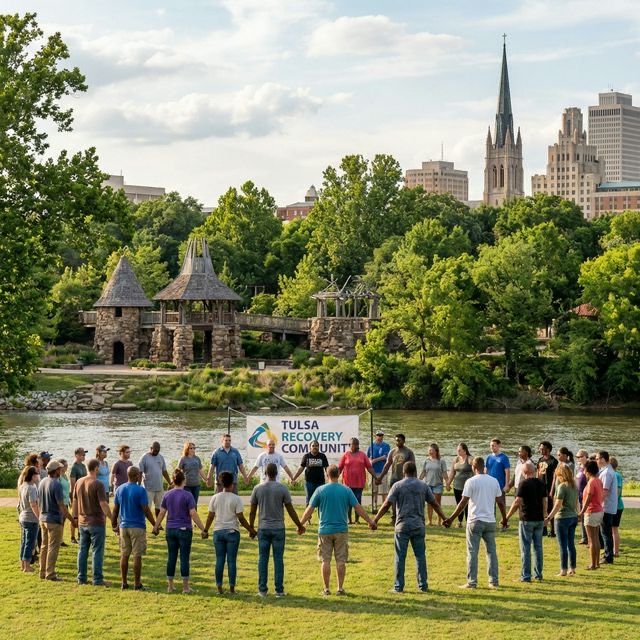
Oklahoma City boasts one of the strongest peer-support networks in the region, with over 200 mutual-help meetings weekly across the metro area. Narcotics Anonymous, Alcoholics Anonymous, SMART Recovery, and newer communities including Refuge Recovery and LifeRing all maintain active presences in OKC. Meetings occur at recovery centers, churches, hospitals, and community facilities throughout northwest OKC, northeast OKC, downtown, and south OKC suburbs. Many meetings welcome newcomers explicitly and provide phone numbers for confidential sponsorship connections.
The OKC recovery community is particularly welcoming to out-of-state visitors and people relocating from California for professional or personal reasons. Established recovery clubs including The Alano Club (downtown) and Community Recovery Centers function as social hubs where connections deepen and accountability structures develop. For individuals completing treatment in California and returning to OKC, pre-establishing peer connections before returning home significantly improves relapse prevention and long-term outcomes.
The fellowship here is real. You can find meetings anytime, anywhere in OKC. The community doesn't judge—it embraces people seeking change.
— OKC Recovery Community Member
Methamphetamine Epidemic and Rural Treatment Access
Oklahoma ranks among the top states for methamphetamine production, distribution, and addiction rates. Rural counties surrounding OKC—Canadian, Blaine, Custer, and Harmon counties—have experienced particular devastation from meth manufacturing and use. This rural-urban divide means that while OKC residents have reasonable access to treatment, rural Oklahomans often travel to the city for specialized services. Methamphetamine addiction requires intensive cognitive behavioral therapy, psychiatric medication management, and sustained peer support, making comprehensive treatment essential.
The Oklahoma Bureau of Narcotics reports increasing meth purity and potency, requiring treatment providers to adjust clinical protocols continuously. Many OKC programs now emphasize relapse prevention specifically for stimulant use, incorporating neurobiological education about dopamine dysregulation and reward-system healing. For individuals with severe meth addiction, multi-week residential programs and extended aftercare prove more effective than standard 28-day models. Trust SoCal's 90-day programs address the specific neurochemical and psychological dimensions of stimulant addiction.
Trauma-Informed Care: Tornado Disasters and PTSD
Oklahoma has experienced more than 30 significant tornado events since 1990, including the devastating Moore tornado of 2013 that killed 24 people and destroyed thousands of homes. Survivors and families exposed to tornado disasters show elevated rates of substance use, depression, anxiety, and complex PTSD. The interconnection between disaster trauma and addiction is profound: individuals may use alcohol, opioids, or methamphetamine to self-medicate trauma symptoms, and treatment must address both conditions simultaneously. OKC treatment providers increasingly receive training in disaster-informed care practices and recognize how environmental trauma perpetuates substance use cycles.
Trauma-informed treatment means clinicians understand how occupational injuries, vehicle accidents, intimate partner violence, childhood neglect, and community disasters shape addiction pathways. Evidence-based trauma modalities including Trauma-Focused CBT, Eye Movement Desensitization and Reprocessing (EMDR), and Somatic Experiencing are increasingly available in OKC but may be more readily accessed through California-based programs offering intensive trauma work. Many clients find that completing residential treatment in California's calm coastal environment—removed from tornado season and familiar trauma sites—facilitates deeper trauma processing.
Individuals with unprocessed disaster trauma should seek dual-diagnosis treatment addressing both PTSD and substance use simultaneously. Untreated trauma significantly increases relapse risk.

Trust SoCal Editorial Team, Clinical Review Board
Editorial & Clinical Review