Key Takeaways
- Fentanyl has become the leading driver of opioid overdose deaths in Harris County, with the synthetic opioid now present in a majority of fatal overdoses examined by the Harris County Institute of Forensic Sciences.
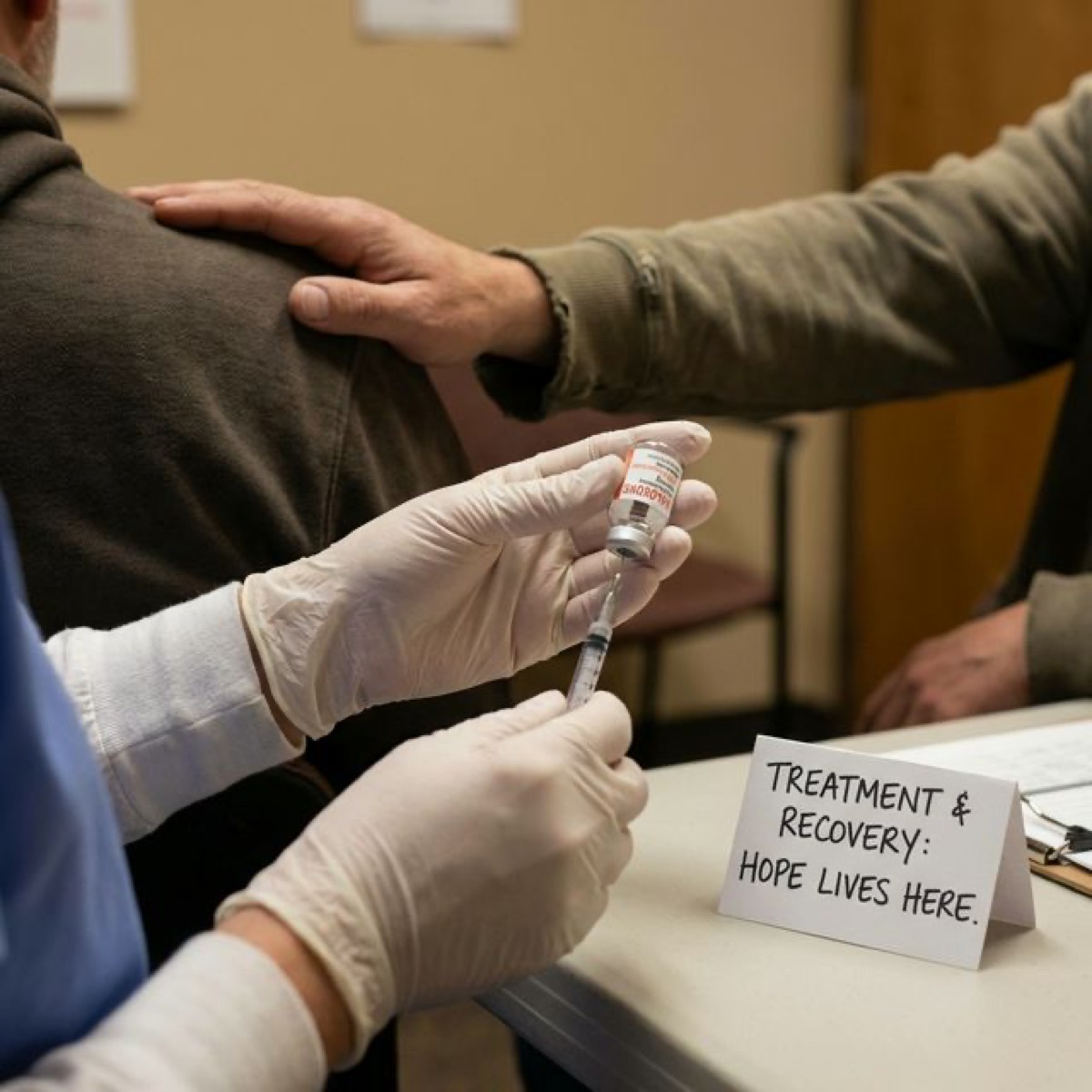
- Medication-assisted treatment (MAT) combining FDA-approved medications like buprenorphine, methadone, or naltrexone with behavioral therapy is the gold standard for opioid use disorder and significantly reduces overdose mortality.
- Houston offers multiple MAT access points including federally certified opioid treatment programs, office-based buprenorphine prescribers, and emergency department bridge programs at Memorial Hermann and Ben Taub.
- Naloxone (Narcan) is available without a prescription at most Houston pharmacies under a standing order issued by the Texas Commissioner of State Health Services, and carrying it can save lives.
- Long-term recovery from opioid use disorder often requires ongoing medication, therapy, and support, and treatment should be viewed as a chronic disease management model rather than a one-time intervention.
- Trust SoCal in Fountain Valley, California offers comprehensive opioid addiction treatment for Houston residents seeking the benefits of geographic separation from their using environment.
The Scope of the Opioid Crisis in Houston and Harris County
Houston and Harris County are experiencing the opioid epidemic with a ferocity that mirrors national trends but is shaped by distinctly local factors. Harris County, the most populous county in Texas and the third most populous in the nation, has seen opioid-related overdose deaths climb steadily since 2015 and accelerate dramatically since 2020. The Harris County Institute of Forensic Sciences has documented a stark shift in the type of opioids driving fatalities: while prescription opioids and heroin dominated earlier waves of the epidemic, illicitly manufactured fentanyl now accounts for the majority of opioid-related deaths in the county. This shift has profound implications for prevention, treatment, and harm reduction strategies.
The geographic distribution of opioid overdose deaths across Houston reflects broader patterns of socioeconomic disparity. Neighborhoods along the I-45 corridor south of downtown, areas in northeast Houston near the I-610 Loop, and communities in southeast Harris County have been disproportionately affected. However, the epidemic does not respect zip code boundaries. Affluent suburbs like Memorial, Bellaire, and Sugar Land have also experienced significant increases in opioid-related emergency department visits and overdose incidents. Fentanyl's extreme potency and its infiltration into counterfeit pills made to resemble prescription medications like Xanax and Percocet mean that even individuals who do not consider themselves "opioid users" are at risk.
Houston's position as a major transportation hub further complicates the local opioid landscape. The convergence of I-10, I-45, I-69/US-59, and the Port of Houston creates multiple pathways for illicit drug distribution. The Drug Enforcement Administration has identified Houston as one of the primary distribution centers for fentanyl in the southern United States. This means that the local supply of fentanyl is abundant and cheap, lowering the barrier to initiation and increasing the danger for active users. Combating the opioid crisis in Houston therefore requires not only robust treatment infrastructure but also coordinated law enforcement, public health, and harm reduction efforts.
Fentanyl is now found in counterfeit pills, heroin, methamphetamine, and cocaine in the Houston market. Any illicit drug use carries the risk of fentanyl exposure. If you or someone you know uses substances, carrying naloxone can be the difference between life and death.
Understanding Medication-Assisted Treatment for Opioid Use Disorder
Medication-assisted treatment, commonly referred to as MAT, is the most effective evidence-based approach to treating opioid use disorder. MAT combines FDA-approved medications — methadone, buprenorphine (commonly known by the brand name Suboxone), or naltrexone (Vivitrol) — with counseling and behavioral therapies. Decades of rigorous clinical research have demonstrated that MAT reduces opioid use, decreases overdose mortality by 50 percent or more, reduces criminal activity associated with drug-seeking behavior, and improves social functioning and treatment retention. Despite this overwhelming evidence, MAT remains underutilized in Houston and across Texas.
Methadone is a long-acting opioid agonist that has been used in the treatment of opioid addiction since the 1960s. It is dispensed only through federally certified Opioid Treatment Programs (OTPs), and Houston has approximately 15 to 20 operational OTPs scattered across the metro area. Methadone must be administered daily at the clinic during the initial phases of treatment, which can be burdensome for patients who live far from a clinic or have inflexible work schedules. However, as patients stabilize and earn take-home privileges, the frequency of clinic visits decreases. Methadone is particularly well-suited for individuals with severe opioid use disorder who have not responded well to other medications.
Buprenorphine, a partial opioid agonist, represents a significant advance in opioid treatment accessibility because it can be prescribed in a standard office setting by any physician, nurse practitioner, or physician assistant who holds the appropriate DEA registration. This means that Houston residents can receive buprenorphine from their primary care doctor, a psychiatrist, or an addiction specialist without needing to visit a specialized OTP daily. However, the number of buprenorphine prescribers in Harris County, while growing, still falls short of the demand. Identifying a knowledgeable prescriber who provides adequate counseling and monitoring alongside the medication is essential for treatment success.
Naltrexone and Extended-Release Injectable Options
Naltrexone is an opioid antagonist that blocks the effects of opioids at the receptor level. Unlike methadone and buprenorphine, naltrexone has no abuse potential and is not a controlled substance. The extended-release injectable form, marketed as Vivitrol, is administered once monthly and eliminates the need for daily medication adherence.
- Vivitrol is best suited for individuals who have completed detox and are highly motivated to maintain abstinence, as the patient must be opioid-free for 7 to 14 days before the first injection.
- Oral naltrexone is also available but has much lower adherence rates because patients can simply stop taking the pill, making the injectable form clinically preferable.
- Several Houston addiction treatment programs and outpatient clinics offer Vivitrol injections, and the medication is covered by most insurance plans including Texas Medicaid.
- Combining naltrexone with intensive behavioral therapy and recovery support services produces the best outcomes for individuals who choose this medication pathway.
Where to Access Opioid Treatment in Houston
Houston's opioid treatment infrastructure includes multiple entry points, though navigating the system can be confusing for individuals in crisis. Federally certified Opioid Treatment Programs are the primary access point for methadone maintenance and are located throughout the metro, including clinics along the I-10 corridor in east Houston, near the Galleria area, and in suburban areas like Pasadena and Humble. These programs typically accept walk-ins or offer same-day assessments, and many accept Medicaid, private insurance, and self-pay on a sliding scale.
Hospital emergency departments represent another critical access point, particularly for individuals who present after a non-fatal overdose. Memorial Hermann Hospital and Ben Taub Hospital have both implemented bridge programs that provide buprenorphine initiation in the emergency department, stabilize the patient, and arrange a warm handoff to outpatient MAT within 72 hours. These bridge programs have been shown to dramatically increase the rate at which overdose survivors actually engage in ongoing treatment. If you or a family member has recently experienced an overdose, asking about buprenorphine initiation in the ER can be a life-saving intervention.
Community health centers and federally qualified health centers (FQHCs) throughout Houston also provide MAT services. The Avenue 360 Health and Wellness network, Legacy Community Health, and the Harris Health System's community clinics all have buprenorphine-prescribing providers and behavioral health staff integrated into primary care settings. These centers serve uninsured and underinsured patients and operate on a sliding-scale basis, making them vital access points for low-income Houston residents affected by the opioid epidemic.
The SAMHSA Opioid Treatment Program Directory and the buprenorphine practitioner locator at SAMHSA.gov can help you find opioid treatment providers near your Houston-area location. You can also call the SAMHSA helpline at 1-800-662-4357 for immediate assistance.
Naloxone Access and Harm Reduction in Houston
Naloxone, sold under the brand name Narcan, is an opioid antagonist that rapidly reverses the effects of an opioid overdose. In Texas, a standing order issued by the Commissioner of State Health Services allows pharmacies to dispense naloxone without an individual prescription. This means that any Houston resident can walk into most major pharmacies — CVS, Walgreens, H-E-B Pharmacy, Kroger Pharmacy — and purchase naloxone over the counter. Naloxone is available as a nasal spray that is simple to administer and requires no medical training. Given the pervasive presence of fentanyl in Houston's drug supply, carrying naloxone should be considered a standard safety measure for anyone who uses opioids or has a family member or friend who does.
Houston's harm reduction landscape has expanded in recent years, though it remains less developed than those in cities like New York, San Francisco, or Philadelphia. Organizations like the Houston Harm Reduction Alliance provide naloxone distribution, fentanyl test strips, syringe services, and overdose prevention education to communities at highest risk. Harris County has also increased its investment in naloxone distribution through first responder programs, equipping law enforcement officers, firefighters, and paramedics with naloxone for field use. These efforts have saved hundreds of lives but represent only a partial solution to a crisis that demands comprehensive treatment access.
Harm reduction is not a replacement for treatment — it is a complement to treatment that keeps people alive long enough to access care. Many individuals who ultimately achieve long-term recovery from opioid use disorder first engage with the healthcare system through harm reduction services. Meeting people where they are, without judgment, and providing practical tools to reduce the risk of death and disease creates a bridge to treatment readiness. Houston's treatment community is increasingly recognizing that punitive approaches alone are insufficient and that harm reduction is an essential component of a comprehensive response to the opioid epidemic.
The Impact of Fentanyl on Houston Families
The fentanyl crisis in Houston is not only a public health emergency — it is a family crisis. Parents are losing children, children are losing parents, and spouses are watching their partners destroyed by a substance so potent that a lethal dose is invisible to the naked eye. The speed at which fentanyl addiction can develop and the narrow margin between a dose that produces euphoria and one that causes respiratory arrest mean that families often have little warning before tragedy strikes. The grief, trauma, and financial devastation left in the wake of fentanyl addiction ripple through Houston families and communities for years.
Family members of individuals with opioid use disorder frequently experience their own mental health consequences, including anxiety, depression, compassion fatigue, and symptoms consistent with secondary traumatic stress. Children raised in households affected by opioid addiction are at elevated risk for adverse childhood experiences that correlate with a wide range of negative health and social outcomes later in life. Houston-area organizations like the National Alliance on Mental Illness Greater Houston and Al-Anon Family Groups offer support for family members, but awareness of these resources remains limited.
Engaging families in the treatment process is both clinically beneficial and ethically important. Family therapy, psychoeducation about addiction as a brain disease, and structured family involvement in aftercare planning can improve treatment outcomes for the individual and promote healing within the family system. When exploring treatment options in Houston or beyond, families should prioritize programs that include a robust family programming component. Trust SoCal integrates family therapy into its treatment model and offers regular family sessions via telehealth for families in Houston and other distant locations. Call (949) 280-8360 to learn more.
If you are a family member of someone with opioid addiction, consider attending an Al-Anon or Nar-Anon meeting in your Houston neighborhood. These free support groups help family members set healthy boundaries, manage their own stress, and understand their role in the recovery process.
Opioid Treatment for Pregnant Women in Houston
Opioid use during pregnancy presents unique medical challenges that require specialized care. Abrupt cessation of opioids during pregnancy can cause fetal distress and is generally not recommended. Instead, the standard of care for pregnant women with opioid use disorder is medication-assisted treatment with either methadone or buprenorphine, which stabilizes both the mother and the fetus and allows for the safest possible pregnancy and delivery outcomes. Houston, with its world-class maternal-fetal medicine programs at institutions like Texas Children's Hospital and UT Physicians, is well-equipped to provide this specialized care.
Despite the availability of clinical expertise, significant barriers to treatment persist for pregnant women in Houston. Stigma is perhaps the most powerful barrier: many pregnant women fear that disclosing opioid use to a healthcare provider will result in child protective services involvement or criminal prosecution. While Texas law does mandate reporting of suspected child abuse or neglect, seeking prenatal care and addiction treatment is not itself a criminal act and is strongly encouraged by public health authorities. Programs that emphasize a non-punitive, supportive approach are more successful at engaging pregnant women in care.
The Neonatal Abstinence Syndrome (NAS) that can occur in newborns exposed to opioids in utero is a treatable condition, and infants who receive appropriate medical management generally do well. Houston's neonatal intensive care units at Texas Children's Hospital, Memorial Hermann Children's Hospital, and other facilities have protocols for managing NAS. Early identification of maternal opioid use and enrollment in MAT during pregnancy significantly reduces the severity of NAS and improves both maternal and neonatal outcomes. If you are pregnant and struggling with opioid use, reaching out for help is the best thing you can do for yourself and your baby.
Long-Term Recovery and Relapse Prevention After Opioid Treatment
Opioid use disorder is a chronic condition, and recovery is best understood as an ongoing process rather than a single event. Research from the National Institute on Drug Abuse indicates that relapse rates for substance use disorders are comparable to those for other chronic medical conditions like hypertension and diabetes, ranging from 40 to 60 percent. This statistic should not be discouraging — instead, it underscores the importance of long-term management strategies that include continued medication (when clinically appropriate), ongoing therapy, peer support, and lifestyle modifications.
In Houston, maintaining recovery from opioid addiction requires intentional planning and the cultivation of a supportive environment. The city's recovery community offers hundreds of 12-step meetings (Narcotics Anonymous has a particularly strong presence in Houston), SMART Recovery groups, and medication-assisted recovery support groups. Sober living homes in neighborhoods like the Heights, Midtown, and the East End provide structured transitional housing for individuals who have completed primary treatment and need a supportive environment as they rebuild their lives.
Relapse prevention planning should begin during primary treatment and continue through every phase of recovery. Effective relapse prevention involves identifying personal triggers, developing coping strategies for high-risk situations, maintaining a consistent daily routine, addressing co-occurring mental health conditions, and building meaningful connections with recovery-supportive people. For Houston residents who complete treatment at Trust SoCal, our clinical team develops a detailed aftercare plan that connects clients with local Houston resources, including MAT providers, therapists, support groups, and sober living options, to ensure continuity of care upon return.
Continuing Care Strategies for Opioid Recovery
The transition from structured treatment back to daily life in Houston is one of the highest-risk periods for relapse. Implementing a multi-layered continuing care plan significantly improves the odds of sustained recovery.
- Continue MAT for a minimum of 12 months, and ideally longer, as premature discontinuation of medication is a leading risk factor for relapse and overdose.
- Engage with a licensed therapist who specializes in addiction and can provide ongoing cognitive-behavioral therapy, motivational interviewing, or other evidence-based modalities.
- Attend recovery support meetings at least three times per week during the first year and maintain regular attendance thereafter.
- Establish a relationship with a recovery sponsor or mentor who has sustained sobriety and can provide guidance during challenging moments.
- Develop a crisis plan that includes specific steps to take and people to call if cravings become overwhelming or if relapse occurs.
How Trust SoCal Supports Houston Residents with Opioid Addiction
Trust SoCal, located at 16537 Elm Cir in Fountain Valley, California, provides comprehensive treatment for opioid use disorder and welcomes clients from the Houston area. Our approach integrates medication-assisted treatment, individual and group therapy, trauma-informed care, and holistic wellness practices in a supportive residential environment. We understand that traveling from Houston to California for treatment is a significant decision, and our admissions team works closely with clients and families to coordinate every aspect of the transition, including insurance verification, travel logistics, and communication with local Houston providers for aftercare continuity.
The benefits of leaving Houston for treatment at Trust SoCal include complete separation from the people, places, and routines associated with opioid use; access to a clinical team with deep expertise in opioid addiction treatment; exposure to Southern California's wellness-oriented culture and mild climate; and the opportunity to build a fresh foundation for recovery without the distractions and triggers of the home environment. Many of our clients from Texas report that the distance provided clarity and focus that would not have been possible in a local program.
If you or a loved one in the Houston area is struggling with opioid addiction, we encourage you to call our admissions line at (949) 280-8360. Our team is available to answer your questions, verify your insurance benefits, and help you determine whether out-of-state treatment is the right choice for your situation. Recovery from opioid use disorder is absolutely possible, and taking the step to reach out is the beginning of a new chapter.

Kristin Stevens, LCSW
Licensed Clinical Social Worker