
Key Takeaways
- San Diego drug courts combine judicial oversight with mandatory addiction treatment to reduce recidivism.
- Proposition 36 and Penal Code 1000 provide statutory frameworks for diversion in eligible drug cases.
- Successful completion of drug court can result in charges being dismissed or reduced.
- Participants are required to attend treatment, submit to drug testing, and appear for regular court hearings.
- Private treatment programs like Trust SoCal can serve as approved providers for drug court participants.
How San Diego Drug Courts Work
Drug courts represent a fundamental shift in how the justice system addresses substance use disorders. Rather than cycling individuals through incarceration, probation, and re-arrest, drug courts combine the authority of the court system with evidence-based addiction treatment. San Diego County has operated drug court programs since the mid-1990s and has developed a sophisticated model that serves hundreds of participants each year.
The structure of San Diego drug court involves regular appearances before a dedicated judge who monitors each participant's progress in treatment, reviews drug test results, and provides both incentives for compliance and sanctions for violations. Participants are assigned to treatment programs, required to attend recovery meetings, and expected to make measurable progress toward employment, education, and stable housing.
Research consistently shows that drug courts reduce recidivism, lower criminal justice costs, and produce better substance use outcomes than traditional adjudication. A study of San Diego's drug court program found that graduates were significantly less likely to be re-arrested within three years compared to similar offenders who went through the conventional court process.
San Diego County operates multiple drug court calendars including adult drug court, juvenile drug court, veterans treatment court, and co-occurring disorders court. Each is tailored to the specific needs of its population.
Eligibility and Entry Into Drug Court
Eligibility for San Diego drug court typically requires that the defendant is charged with a nonviolent drug offense, has a diagnosed substance use disorder, and has no prior violent felony convictions. The district attorney and public defender evaluate each case, and the presiding judge makes the final determination about acceptance into the program.
Defendants may also be eligible for diversion under California Proposition 36, which allows individuals convicted of nonviolent drug possession to receive treatment instead of incarceration. Penal Code 1000, another diversion statute, permits dismissal of charges upon successful completion of a court-approved treatment program. These legal pathways have helped thousands of San Diego residents access treatment they might not have sought on their own.
- Nonviolent drug offense as the primary charge
- Diagnosed substance use disorder confirmed by clinical assessment
- No prior violent felony convictions in most cases
- Willingness to participate in treatment and comply with court requirements
- Residency in San Diego County or willingness to attend programming locally
Treatment Requirements and Program Structure
Drug court participants in San Diego are required to engage in a structured treatment program that typically lasts twelve to eighteen months. The program is divided into phases, with each phase increasing the participant's independence as they demonstrate sustained sobriety and progress toward recovery goals. Early phases involve intensive treatment, frequent drug testing, and weekly court appearances, while later phases allow more autonomy.
Treatment modalities used in drug court programs include individual counseling, group therapy, cognitive behavioral therapy, motivational interviewing, and medication-assisted treatment when clinically appropriate. Participants may also be required to complete community service hours, obtain employment or enroll in education, and address any outstanding legal obligations.
Sanctions for noncompliance can range from increased court appearances and additional community service to short-term jail stays. However, the emphasis is always on encouraging treatment engagement rather than punishing relapse. Drug court judges in San Diego are trained to understand addiction as a chronic condition and to respond to setbacks with therapeutic rather than purely punitive measures.
Veterans Treatment Court in San Diego
San Diego County operates a dedicated Veterans Treatment Court that serves military veterans and active-duty service members facing drug-related and other charges where substance use is a contributing factor. Given San Diego's large military population, this specialized court addresses the unique needs of veterans dealing with combat-related trauma, PTSD, and substance use disorders.
Participants in Veterans Treatment Court are paired with veteran mentors who have successfully navigated similar challenges and can provide peer support throughout the process. The court works closely with the VA San Diego Healthcare System and community-based veteran service organizations to ensure participants receive comprehensive support including housing assistance, employment services, and benefits navigation.
Accessing Private Treatment Through Drug Court
While many drug court participants receive treatment through county-funded programs, individuals with private insurance or the financial means to self-pay may choose to attend a private treatment facility as their approved provider. The court must approve the treatment plan, and the facility must agree to provide regular progress reports and communicate with the drug court team.
Trust SoCal in Fountain Valley, Orange County, has experience working with individuals in the criminal justice system and can coordinate with San Diego drug court personnel to ensure compliance with court requirements. Our comprehensive treatment programming meets the clinical standards required by drug courts, and our proximity to San Diego allows for continued court appearances during treatment.
If you or a loved one is facing drug-related charges in San Diego and exploring drug court options, call Trust SoCal at (949) 280-8360 to discuss how our programs can satisfy court-mandated treatment requirements while providing the individualized care needed for lasting recovery.
If you have been offered drug court as an option, consult with your defense attorney before making a decision. An experienced attorney can help you understand the specific requirements and how participation may affect your criminal record.
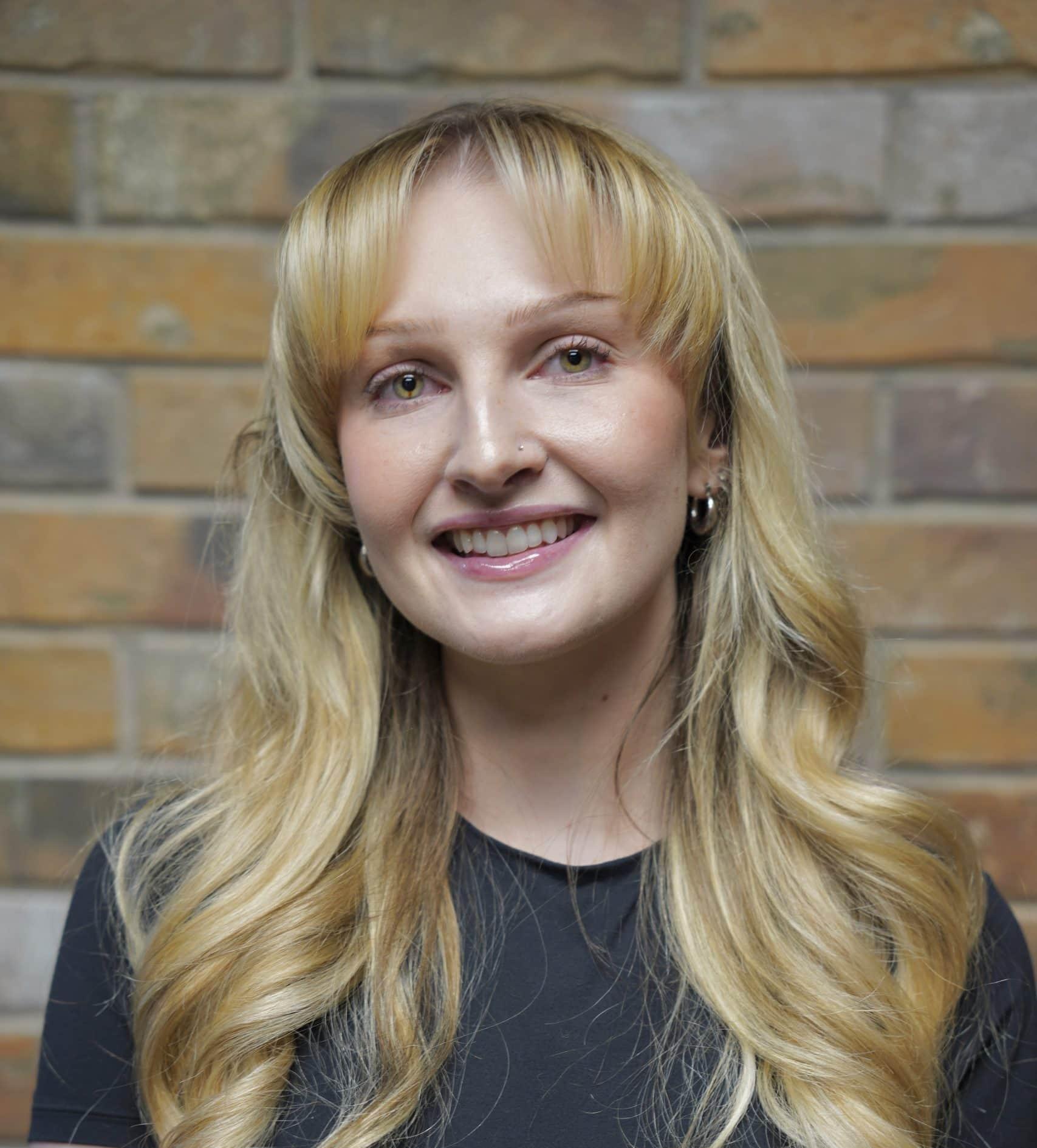
Amy Pride, MFTT
Marriage & Family Therapy Trainee