Key Takeaways
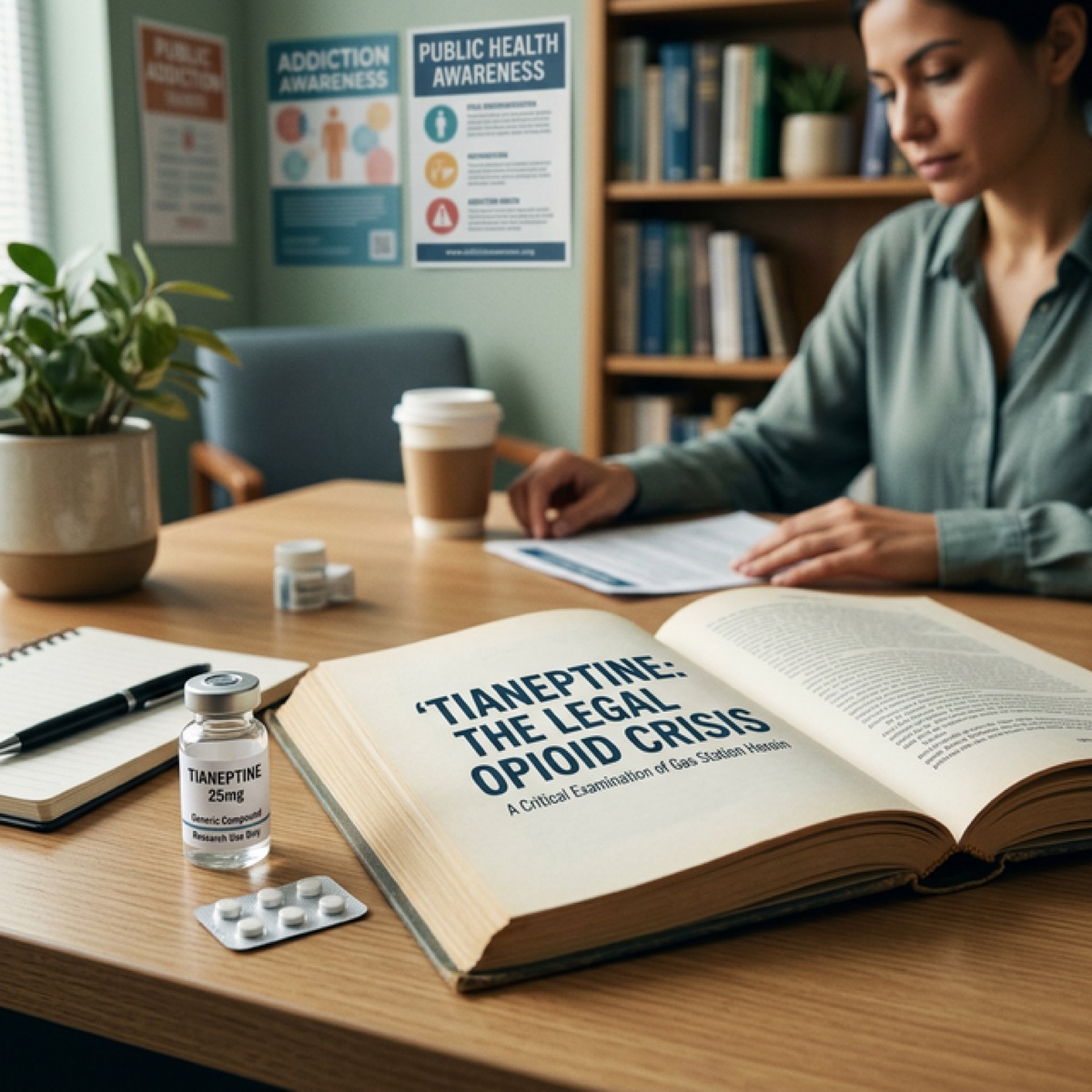
- Tianeptine is a pharmaceutical compound used as an antidepressant in some countries but sold in the United States as an unregulated dietary supplement under brand names like ZaZa Red, Tianna, and Pegasus, primarily at gas stations and convenience stores.
- At doses far exceeding its therapeutic antidepressant range, tianeptine activates mu-opioid receptors, producing euphoria, pain relief, and dependence functionally identical to traditional opioid drugs.
- Tianeptine withdrawal is severe and closely resembles opioid withdrawal, with symptoms including intense pain, anxiety, nausea, diarrhea, insomnia, restless legs, and depression that can begin within hours of the last dose.
- Poison control centers reported a 300 percent increase in tianeptine-related calls between 2018 and 2022, with multiple fatalities attributed to the substance.
- As of 2025, at least 13 states have banned or restricted tianeptine sales, though it remains legal and widely available in many jurisdictions including some areas of Southern California.
- Treatment for tianeptine dependence follows opioid use disorder protocols, with buprenorphine and methadone effectively managing withdrawal and cravings.
What Is Tianeptine and How Is It Sold?
Tianeptine is a tricyclic compound developed in France in the 1960s and currently approved as a prescription antidepressant in approximately 70 countries under the brand name Stablon. At its prescribed antidepressant dose of 12.5 mg three times daily, tianeptine acts primarily as a serotonin reuptake enhancer and glutamate modulator, with minimal opioid receptor activity. However, at doses ranging from 100 to 1,000 mg or more, which are the doses sought by recreational users, tianeptine becomes a potent mu-opioid receptor agonist producing effects that users describe as indistinguishable from hydrocodone or oxycodone.
In the United States, tianeptine has never been approved by the FDA for any medical purpose. Despite this, it has been sold as a dietary supplement in gas stations, convenience stores, smoke shops, and online retailers under brand names including ZaZa Red, Tianna Red, Tianna White, Pegasus, Neptune's Fix, and TD Red. These products are marketed variously as mood enhancers, focus aids, or wellness supplements, with packaging and marketing that gives no indication of the product's opioid-like pharmacological activity at the doses many users consume.
The path from supplement shelf to opioid crisis is disturbingly straightforward. A person purchases a packet of ZaZa Red at a gas station, takes it for mood enhancement or curiosity, experiences the pleasant opioid-like effects, and returns the next day for more. Within weeks, daily use has produced physical dependence. When they attempt to stop, severe opioid-like withdrawal drives them back to the gas station. Some users report spending $50 to $150 per day on tianeptine products to manage their dependence, while others transition to traditional opioids when tianeptine becomes too expensive or unavailable.
Despite being sold as a supplement, tianeptine at recreational doses is pharmacologically an opioid. It produces opioid dependence, opioid withdrawal, and has been involved in fatal overdoses. Its gas station availability does not indicate safety.
Pharmacology: Why Tianeptine Acts Like an Opioid
The dual pharmacology of tianeptine is key to understanding both its medical use and its abuse potential. At therapeutic doses (25 to 37.5 mg per day), tianeptine's primary actions involve enhancement of serotonin reuptake in certain brain regions, modulation of glutamate signaling, and neurotrophic effects that contribute to its antidepressant efficacy. At these doses, mu-opioid receptor activation is minimal and does not produce the subjective opioid effects sought by recreational users.
However, tianeptine's affinity for mu-opioid receptors becomes clinically significant at doses of 100 mg or more. At these supratherapeutic doses, tianeptine activates the same receptor system as morphine, oxycodone, heroin, and fentanyl, producing euphoria, analgesia, anxiolysis, and the warm, sedating contentment characteristic of opioid intoxication. Regular use at these doses produces the same neuroadaptations that underlie opioid dependence: receptor downregulation, tolerance requiring dose escalation, and a withdrawal syndrome upon cessation.
The pharmacokinetic profile of tianeptine adds to its abuse potential. It is rapidly absorbed after oral administration with peak blood levels reached within one to two hours, and its relatively short half-life of 2.5 to 7 hours means that users must re-dose frequently throughout the day to avoid withdrawal symptoms. This frequent dosing pattern accelerates dependence development and makes the substance particularly difficult to stop once physical dependence has been established.
Dose Escalation and Tolerance
Tolerance to tianeptine's opioid effects develops rapidly with daily use, driving a pattern of dose escalation that is common to all opioid agonists. Users who begin with one or two supplement capsules per day may progress to consuming entire bottles, dozens of capsules, or bulk tianeptine powder purchased online. Reports from poison control centers describe individuals consuming 5,000 to 10,000 mg per day, representing 100 to 400 times the therapeutic antidepressant dose.
This extreme dose escalation creates several dangers. The cost of maintaining a tianeptine habit at these doses can reach hundreds of dollars per day. The pharmacological load on the body, particularly the liver and cardiovascular system, increases with dose. And the severity of withdrawal when the substance is discontinued or unavailable becomes proportionally more intense, creating a powerful trap of dependence that is indistinguishable in mechanism and severity from prescription opioid or heroin addiction.
- Tolerance can develop within one to two weeks of daily use
- Users may escalate from one capsule to dozens per day
- Bulk powder purchases enable consumption of extreme doses
- Daily spending of $50 to $150 or more is common among dependent users
- Severity of withdrawal increases proportionally with dose and duration of use
- Some users transition to heroin or fentanyl when tianeptine becomes too expensive
Tianeptine Withdrawal: The Opioid Syndrome
Tianeptine withdrawal is clinically indistinguishable from opioid withdrawal and can be severe enough to require medical intervention. Symptoms typically begin 4 to 12 hours after the last dose, reflecting tianeptine's relatively short half-life, and peak between 24 and 72 hours. The acute withdrawal phase generally lasts 5 to 10 days, with protracted withdrawal symptoms potentially persisting for weeks.
The symptom profile includes the full spectrum of opioid withdrawal: intense muscle and bone pain, severe anxiety, restlessness, insomnia, nausea, vomiting, diarrhea, profuse sweating, goosebumps, yawning, tearing, runny nose, abdominal cramping, dilated pupils, elevated heart rate and blood pressure, and intense cravings. Some users report that tianeptine withdrawal is subjectively more intense than withdrawal from prescription opioids, possibly reflecting the higher doses consumed and the rapid onset of withdrawal due to the short half-life.
The rapid onset of withdrawal after the last dose creates a particularly challenging pattern for dependent users. Because symptoms can begin within hours, users must dose multiple times throughout the day and night to avoid withdrawal. Missing a single dose can trigger noticeable discomfort within hours, creating a constant preoccupation with maintaining supply that is psychologically exhausting and practically unsustainable.
Tianeptine withdrawal, while extremely uncomfortable, is not typically life-threatening in the way that alcohol or benzodiazepine withdrawal can be. However, the severity of symptoms is significant enough that medical detox with buprenorphine or methadone is strongly recommended to ensure safety and comfort.
Withdrawal Timeline
The tianeptine withdrawal timeline follows a compressed opioid withdrawal pattern due to the substance's short half-life. The first 12 hours bring increasing anxiety, restlessness, yawning, sweating, and muscle aches. Hours 12 to 48 bring peak physical symptoms including severe pain, gastrointestinal distress, insomnia, and intense cravings. Days 3 to 7 bring gradual physical improvement with persistent psychological symptoms. Weeks 2 to 4 constitute the protracted phase with lingering anxiety, depression, insomnia, and intermittent cravings.
Medical detoxification significantly reduces the severity of tianeptine withdrawal. Because tianeptine acts on mu-opioid receptors, opioid use disorder medications including buprenorphine (Suboxone) and methadone effectively treat the withdrawal syndrome and ongoing cravings. Initiation of these medications during detox provides a stable pharmacological foundation for continued recovery.
- Hours 4-12: Anxiety, restlessness, muscle aches, yawning, early withdrawal onset
- Hours 12-48: Peak symptoms with severe pain, GI distress, insomnia, intense cravings
- Days 3-7: Gradual physical improvement, persistent anxiety and sleep disruption
- Weeks 1-2: Physical symptoms resolve, psychological symptoms persist
- Weeks 2-4+: Protracted withdrawal with anxiety, depression, intermittent cravings
The State-by-State Ban Movement
The growing awareness of tianeptine's dangers has prompted legislative action in a growing number of states. Alabama became the first state to ban tianeptine in 2021, after emergency departments in the state reported surging presentations of tianeptine overdose and withdrawal. Since then, at least 12 additional states have followed, including Indiana, Michigan, Minnesota, Ohio, Tennessee, and Georgia, either banning tianeptine outright or classifying it as a controlled substance.
The FDA has issued multiple import alerts for tianeptine products and has sent warning letters to domestic companies marketing tianeptine as a dietary supplement. The agency's position is clear: tianeptine is not a dietary ingredient and products containing it are unapproved new drugs that cannot be legally marketed in the United States. However, enforcement has been inconsistent, and tianeptine products remain available in many states that have not enacted specific bans.
In California, tianeptine is not currently classified as a controlled substance, and products containing it can be found in some gas stations, smoke shops, and online retailers serving the state. Advocacy groups and addiction medicine professionals have called for California to join the growing list of states restricting tianeptine access, arguing that its unrestricted availability as a supplement represents a significant public health risk, particularly given the state's existing opioid crisis.
If you have developed dependence on tianeptine products purchased from gas stations or online, you are not alone, and effective treatment exists. Tianeptine dependence responds to the same medications used for opioid use disorder. Call Trust SoCal at (949) 280-8360 for a confidential assessment.
Treatment for Tianeptine Addiction
The good news about tianeptine addiction is that it responds well to established opioid use disorder treatment protocols. Buprenorphine (Suboxone, Sublocade) and methadone are both effective at managing tianeptine withdrawal and providing ongoing pharmacological support for recovery. These medications occupy the same opioid receptors that tianeptine activates, eliminating withdrawal symptoms and reducing cravings while blocking the euphoric effects of continued tianeptine use.
Treatment typically begins with medically supervised detoxification, during which buprenorphine or methadone is initiated to manage withdrawal symptoms. The transition from tianeptine to medication-assisted treatment can be managed smoothly by experienced addiction medicine providers. Following stabilization, behavioral therapies including cognitive behavioral therapy, contingency management, and motivational interviewing address the psychological dimensions of the addiction and develop skills for sustained recovery.
Trust SoCal provides comprehensive treatment for tianeptine addiction at our facility in Fountain Valley, California. Our medical team is experienced with emerging opioid-like substances and can provide safe, effective detoxification and ongoing medication-assisted treatment. Our clinical programs address the full spectrum of recovery needs from initial detox through residential treatment, PHP, IOP, and outpatient aftercare. If tianeptine has taken control of your life, help is available. Call (949) 280-8360 today.
Recognizing Tianeptine Addiction in a Loved One
Tianeptine addiction can be difficult to recognize because the substance is purchased legally at retail locations, does not produce the obvious physical signs associated with injection drug use, and may not be detected on standard drug tests. However, behavioral patterns can provide important clues that a loved one has developed dependence on this substance.
Signs to watch for include frequent visits to gas stations or convenience stores, particularly specific locations known to carry tianeptine products; empty ZaZa, Tianna, or similarly branded packaging found in trash, vehicles, or personal belongings; unexplained financial strain despite no visible change in spending patterns; flu-like symptoms that appear and resolve in a pattern inconsistent with actual illness; anxiety or agitation when unable to visit a specific store; escalating expenditures on "supplements"; and mood swings that correlate with time since last dose.
If you suspect a loved one is addicted to tianeptine, approach the conversation with compassion and factual information. Many individuals who become dependent on tianeptine never intended to use an opioid and may not fully understand what has happened pharmacologically. Explaining that tianeptine is effectively an opioid at the doses they are consuming, and that effective treatment exists, can help motivate them to seek professional help.

Medical Review Board, MD, ABAM
Medical Director & Reviewer