Key Takeaways
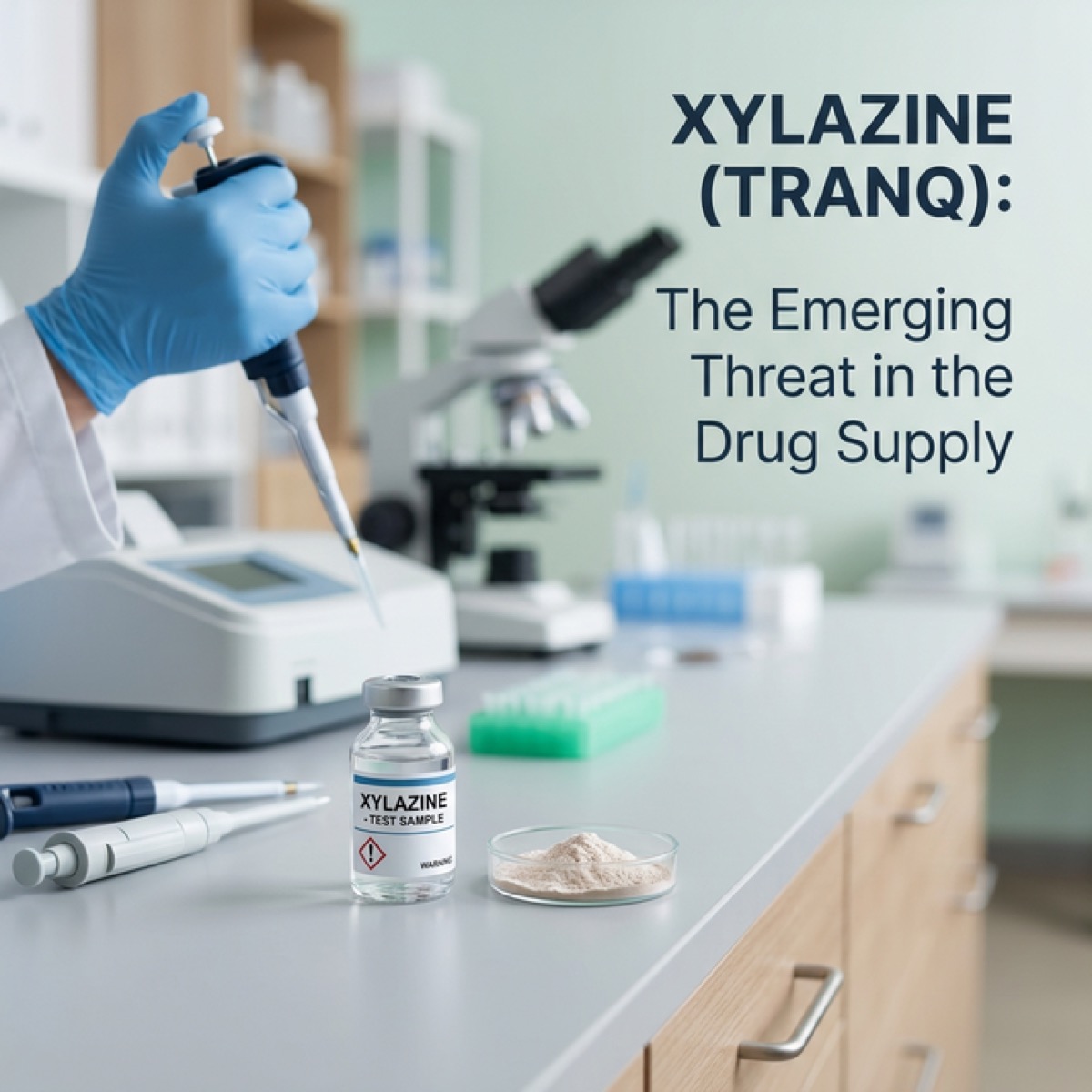
- Xylazine is a veterinary sedative never approved for human use that has infiltrated the illicit drug supply, appearing in over 25 percent of fentanyl samples tested by the DEA in 2023.
- Xylazine causes severe, necrotic skin wounds at injection sites and even at distant locations, often requiring surgical debridement or amputation if untreated.
- Because xylazine is not an opioid, naloxone (Narcan) does not reverse its sedative effects, though naloxone should still be administered when opioids are suspected since most xylazine-positive samples also contain fentanyl.
- Xylazine withdrawal produces symptoms distinct from opioid withdrawal, including severe anxiety, hypertension, and tachycardia, requiring specialized medical management.
- The White House designated xylazine combined with fentanyl as an emerging threat to the United States in 2023, triggering federal efforts to address the crisis.
- Treatment for xylazine-involved substance use requires integrated medical care addressing both addiction and the complex wound care needs that xylazine produces.
What Is Xylazine and Why Is It in the Drug Supply?
Xylazine is an alpha-2 adrenergic agonist developed in 1962 as a veterinary sedative and analgesic for large animals such as horses, cattle, and deer. It was tested for human use in the 1960s but rejected by the FDA due to severe hypotension and central nervous system depression. Despite never receiving approval for human medicine, xylazine has become one of the most concerning adulterants in the illicit drug supply, appearing with increasing frequency in heroin, fentanyl, cocaine, and counterfeit prescription pills.
The reasons for xylazine's infiltration into the drug supply are primarily economic. For drug manufacturers and distributors, xylazine is inexpensive, widely available through veterinary supply channels, and extends the sedative effects of fentanyl, creating a product that users perceive as more potent and longer-lasting. A dose of xylazine costs a fraction of a cent to produce, while it can extend the duration of a fentanyl high from minutes to hours, creating significant profit incentive for dealers.
The Drug Enforcement Administration reported that xylazine was detected in approximately 23 percent of fentanyl powder and 7 percent of fentanyl pills seized in 2022, with rates continuing to climb. In some regions, particularly the Northeast, xylazine prevalence in the drug supply exceeds 90 percent. Southern California has seen a notable increase in xylazine-positive toxicology results, making awareness of this substance critical for individuals, families, and treatment providers in Orange County and throughout the region.
Xylazine cannot be detected by standard fentanyl test strips. Specialized xylazine test strips are now available and should be used alongside fentanyl test strips for anyone using illicit substances. Most people exposed to xylazine do not know it is present in their supply.
How Xylazine Affects the Human Body
Xylazine acts on alpha-2 adrenergic receptors in the central nervous system, producing profound sedation, bradycardia (slowed heart rate), hypotension (dangerously low blood pressure), respiratory depression, and hypothermia. Unlike opioids, which act on mu-opioid receptors, xylazine operates through an entirely different pharmacological mechanism. This distinction has critical implications for overdose response, because opioid antagonists like naloxone have no direct effect on xylazine-induced sedation or respiratory depression.
When combined with fentanyl, the most common co-occurrence, xylazine and opioids produce synergistic respiratory depression that is more dangerous than either substance alone. The sedation produced by xylazine can last for hours, far longer than fentanyl's typical duration. Users may appear unconscious for extended periods, during which time positional asphyxiation, aspiration of vomit, and prolonged hypoxia can occur even if the opioid component is reversed with naloxone.
Perhaps the most distinctive and devastating effect of xylazine in humans is its propensity to cause severe skin and soft tissue necrosis. Users who inject xylazine-containing drugs develop wounds that begin as dark, painful lesions and can rapidly progress to full-thickness necrotic ulcers exposing underlying muscle, tendon, and bone. These wounds occur not only at injection sites but also at distant locations on the body, suggesting a systemic vascular mechanism rather than simple tissue toxicity from injection.
Xylazine-Related Skin Wounds
The necrotic skin wounds associated with xylazine use represent a medical crisis within the broader addiction crisis. These wounds are characterized by eschar (thick, black, dead tissue), surrounding erythema and edema, foul-smelling drainage, and a tendency to enlarge rapidly without treatment. Unlike typical injection site infections, xylazine wounds often appear on the legs, arms, and torso in areas that were not injected, indicating that the drug causes vascular damage systemically.
Wound care for xylazine-affected individuals requires specialized medical attention including regular debridement, infection monitoring, and in severe cases, skin grafting or amputation. Many individuals with xylazine wounds delay seeking medical care due to stigma, fear of legal consequences, or concerns about withdrawal during hospitalization. This delay allows wounds to progress to a severity that significantly complicates treatment and recovery.
- Wounds can appear within days to weeks of regular xylazine exposure
- Necrosis can progress to muscle and bone involvement requiring surgical intervention
- Wounds occur at both injection sites and distant body locations
- Secondary bacterial infections including MRSA are common complications
- Wound healing is significantly impaired by continued xylazine use
- Some wounds require months of ongoing care even after substance use cessation
Cardiovascular and Respiratory Effects
Xylazine produces dose-dependent cardiovascular depression that can be life-threatening. Blood pressure may drop to dangerously low levels, heart rate slows significantly, and cardiac output decreases. In combination with fentanyl, these cardiovascular effects compound the respiratory depression already caused by the opioid, creating a dual mechanism of lethality that makes xylazine-fentanyl combinations particularly deadly.
Respiratory depression from xylazine is mechanistically different from opioid-induced respiratory depression. While opioids suppress the brainstem respiratory drive through mu-receptor activation, xylazine depresses respiration through alpha-2 adrenergic sedation and reduction of central nervous system arousal. This means that even after successful naloxone administration reverses the opioid component, the person may remain dangerously sedated and hypoventilating from xylazine alone.
- Severe hypotension requiring vasopressor support in emergency settings
- Bradycardia that can progress to hemodynamically significant heart rate reduction
- Respiratory depression independent of and additive to opioid effects
- Hypothermia from impaired thermoregulation during prolonged unconsciousness
- Risk of aspiration pneumonia during extended periods of sedation
Xylazine and Overdose Response: Why Naloxone Still Matters
A critical misconception has emerged as awareness of xylazine grows: the belief that naloxone is ineffective and therefore unnecessary when xylazine is involved. This misunderstanding is dangerous. While naloxone does not reverse xylazine's effects, the overwhelming majority of xylazine-positive samples also contain fentanyl or other opioids. Naloxone remains essential for reversing the opioid component of a mixed xylazine-opioid overdose and can be the difference between life and death.
When responding to a suspected overdose involving xylazine, the protocol remains: administer naloxone, call 911, perform rescue breathing if the person is not breathing adequately, and place the person in the recovery position. The key difference from a pure opioid overdose is that the person may not fully regain consciousness after naloxone administration due to ongoing xylazine sedation. This does not mean the naloxone failed; it means the opioid component was reversed while the xylazine sedation persists.
Emergency medical providers are developing protocols for managing xylazine-involved overdoses that go beyond naloxone administration. These may include intravenous fluids for hypotension, atropine for severe bradycardia, warming measures for hypothermia, and extended monitoring because xylazine's duration of action can outlast naloxone, requiring repeated doses or continuous infusion. In Orange County, emergency departments are increasingly prepared to manage these complex presentations.
Always administer naloxone when an opioid overdose is suspected, even if xylazine involvement is possible. Naloxone will not reverse xylazine effects but will reverse fentanyl and other opioids that are almost always present alongside xylazine. Naloxone causes no harm if opioids are not present.
Xylazine Withdrawal: A Distinct Clinical Challenge
Individuals who have been using xylazine-containing substances develop physical dependence on both the opioid and xylazine components, producing a withdrawal syndrome that is more complex than opioid withdrawal alone. Xylazine withdrawal includes symptoms that are not typical of opioid withdrawal and may not respond to standard opioid withdrawal management protocols, including medications for opioid use disorder such as buprenorphine and methadone.
Xylazine withdrawal symptoms include severe rebound anxiety, agitation, hypertension (the opposite of xylazine's blood pressure-lowering effect), tachycardia, diaphoresis, and tremor. These symptoms more closely resemble clonidine or alcohol withdrawal than opioid withdrawal, reflecting xylazine's alpha-2 adrenergic mechanism. Individuals withdrawing from xylazine-fentanyl combinations may experience the full spectrum of both opioid withdrawal and xylazine-specific withdrawal simultaneously.
Medical management of xylazine withdrawal is still an evolving clinical practice. Some protocols employ clonidine or dexmedetomidine to manage the adrenergic rebound, while buprenorphine or methadone addresses the opioid withdrawal component. Benzodiazepines may be used cautiously for severe agitation. The complexity of managing dual withdrawal syndromes underscores the importance of medically supervised detoxification at facilities equipped to handle these cases.
Dual Withdrawal Management
Managing simultaneous opioid and xylazine withdrawal requires careful clinical coordination. Buprenorphine or methadone initiation addresses the opioid dependence component, but these medications do not alleviate xylazine-specific withdrawal symptoms. Adjunctive medications including clonidine for autonomic instability, gabapentin for anxiety and sleep, and supportive care for wound management must be integrated into the detox protocol.
Trust SoCal's medical detox program in Fountain Valley is equipped to manage the complexities of xylazine-involved withdrawal. Our medical team stays current with evolving protocols for this emerging substance and provides the 24-hour monitoring necessary to safely manage the cardiovascular and neurological fluctuations that characterize xylazine withdrawal. Contact us at (949) 280-8360 to discuss treatment options.
- Opioid withdrawal managed with buprenorphine or methadone per standard protocols
- Xylazine-specific withdrawal managed with alpha-2 agonists like clonidine
- Cardiovascular monitoring for rebound hypertension and tachycardia
- Wound assessment and care initiated during the detox period
- Psychiatric evaluation for severe anxiety and agitation
- Gradual transition to outpatient care with ongoing wound management
The Federal Response and Public Health Implications
In April 2023, the White House Office of National Drug Control Policy designated the combination of xylazine and fentanyl as an emerging threat to the United States, the first time this designation had been used. This declaration triggered a coordinated federal response including enhanced surveillance, research funding, development of treatment guidelines, and efforts to disrupt the xylazine supply chain.
The FDA has taken steps to restrict the diversion of xylazine from veterinary channels, though the substance remains widely available through international suppliers and online marketplaces. The DEA has increased testing of seized drug samples for xylazine and publishes regular reports on its prevalence in different regions. These federal efforts are complemented by state and local initiatives, including expanded harm reduction services, distribution of xylazine test strips, and training for first responders.
For Southern California, the xylazine threat represents an evolving challenge. While the West Coast has historically seen lower xylazine prevalence than the East Coast, rates are increasing. Orange County public health agencies, emergency departments, and addiction treatment providers are preparing for the possibility that xylazine prevalence in the local drug supply may approach the levels seen in eastern states. Early awareness and treatment preparedness are essential to minimizing the harm this substance causes.
Xylazine test strips are available through many harm reduction organizations and can identify xylazine in drug samples before use. If you or someone you know uses illicit substances, carrying both naloxone and xylazine test strips can save lives. Contact the Orange County Needle Exchange Program or Trust SoCal at (949) 280-8360 for resources.
Treatment for Xylazine-Involved Substance Use Disorder
Treatment for xylazine-involved substance use disorder requires an integrated approach that addresses addiction, wound care, and the complex medical needs that xylazine exposure creates. Traditional opioid addiction treatment pathways remain the foundation, but must be augmented with specific attention to xylazine-related complications and the unique withdrawal profile this substance produces.
Medication-assisted treatment with buprenorphine or methadone remains effective for the opioid component of xylazine-fentanyl dependence and should be initiated as part of the treatment plan. Behavioral therapies including cognitive behavioral therapy, contingency management, and motivational interviewing address the psychological dimensions of addiction. Concurrent wound care, nutritional rehabilitation, and treatment of secondary infections are essential components that distinguish xylazine-involved treatment from standard opioid addiction care.
Trust SoCal offers comprehensive treatment programs that can accommodate the medical complexity of xylazine-involved substance use disorder. Our facility in Fountain Valley, California provides medical detox with 24-hour monitoring, residential treatment with access to wound care services, and step-down programs through PHP, IOP, and outpatient levels of care. Our clinical team understands that xylazine has changed the landscape of opioid addiction treatment and has adapted our protocols accordingly. Call (949) 280-8360 to begin the conversation about recovery.
Medical disclaimer: This article is for educational purposes only and does not constitute medical advice. Xylazine-involved substance use requires professional medical evaluation and treatment. If you are experiencing a medical emergency, call 911 immediately. For substance use crisis support, contact SAMHSA at 1-800-662-4357 or the 988 Suicide and Crisis Lifeline.

Medical Review Board, MD, ABAM
Medical Director & Reviewer