Key Takeaways
- Binge drinking among University of Arizona students is estimated at 35 to 40 percent, significantly above the national college average, driven by Greek life, athletics culture, and the bar scene along University Boulevard and Fourth Avenue.
- Stimulant misuse, including non-prescribed Adderall and cocaine use, has become increasingly common among UA students, particularly around midterms and finals periods.
- Counterfeit pills containing fentanyl have entered the UA campus drug market, and student overdose deaths have prompted urgent campus-wide prevention efforts.
- UA Campus Health offers screening, brief intervention, and referral through the BASICS program, and the Counseling and Psychological Services (CAPS) office provides short-term substance abuse counseling.
- For students whose substance use has progressed to addiction, campus resources are typically insufficient and professional treatment programs are necessary.
- Trust SoCal in Fountain Valley, CA offers young adult addiction treatment and provides the geographic separation from UA's party culture that many students need for successful recovery.
The Culture of Substance Use at the University of Arizona
Substance use at the University of Arizona is deeply embedded in campus culture in ways that blur the line between social experimentation and genuine addiction. The bar scene along University Boulevard and Fourth Avenue, located within walking distance of campus dormitories and apartments, caters almost exclusively to the student population with drink specials, themed nights, and events designed to drive high-volume alcohol consumption. Greek life, which involves approximately 20 percent of the undergraduate population, maintains a social calendar centered on parties where alcohol is the primary draw. Wildcats football and basketball seasons bring tailgating traditions that normalize heavy drinking from morning through evening on game days.
This culture of heavy drinking is not unique to UA, but several factors intensify it. Tucson's warm climate allows for outdoor parties and bar patios year-round. The concentration of students in neighborhoods immediately surrounding campus, particularly along Speedway Boulevard, Park Avenue, and the area known as "Bro Row," creates an environment where partying is visible and constant. The university's reputation as a social school attracts some students specifically for the party culture, creating a self-reinforcing cycle. For students who arrive with risk factors for substance use disorder, including family history, mental health conditions, or trauma, this environment can accelerate the progression from social use to addiction.
A 2024 survey of UA undergraduates found that 78 percent reported alcohol use in the past 30 days, with 38 percent reporting binge drinking (5 or more drinks in a single sitting for males, 4 for females). These rates significantly exceed national college averages and reflect the intensity of UA's drinking culture.
Alcohol and Greek Life
Greek organizations at the University of Arizona play an outsized role in campus drinking culture. Fraternity and sorority events, ranging from organized socials and date parties to informal pregaming gatherings, frequently feature heavy alcohol consumption. National research consistently shows that Greek-affiliated college students drink more frequently and in greater quantities than their non-Greek peers, and UA is no exception. While university and national Greek organization policies technically prohibit alcohol at many events, enforcement is inconsistent and workarounds are common.
- Greek-affiliated UA students report binge drinking rates approximately 20 percent higher than non-Greek peers
- Pregaming (consuming alcohol before an event) is ubiquitous in UA Greek culture and contributes to dangerous intoxication levels
- Hazing rituals at some organizations involve forced alcohol consumption, though the university has strengthened anti-hazing enforcement
- Greek organizations can also be a positive force in recovery when they support members who choose sobriety
Stimulant Misuse: Adderall, Cocaine, and Study Drugs
Beyond alcohol, stimulant misuse has become a significant concern at UA. Non-prescribed use of Adderall, Ritalin, and other ADHD medications as "study drugs" is widespread, particularly during exam periods. Students perceive these drugs as safe because they are prescription medications, but non-prescribed use carries real risks including cardiovascular problems, anxiety, insomnia, and the development of stimulant use disorder. Cocaine use, while less prevalent than alcohol, has a notable presence in certain campus social circles, particularly within Greek life and the bar scene.
- An estimated 15 to 20 percent of UA students report non-prescribed stimulant use at least once per semester
- Study drug use peaks during midterms and finals week, with Adderall being the most commonly used substance
- Cocaine use is present in the UA party scene and is frequently combined with heavy alcohol consumption
- Non-prescribed stimulant use can escalate to regular use and dependence, particularly in students with undiagnosed ADHD or underlying anxiety
The Fentanyl Threat on Campus
The most alarming development in UA's substance abuse landscape is the infiltration of fentanyl-laced counterfeit pills into the campus drug market. Students who believe they are purchasing prescription pills, whether opioids like Percocet, benzodiazepines like Xanax, or even stimulants like Adderall, are unknowingly obtaining counterfeit tablets that may contain lethal doses of fentanyl. Multiple student deaths in the Tucson area have been linked to counterfeit pills purchased through social media and campus social networks, prompting UA to launch emergency prevention campaigns.
- Counterfeit pills sold on and near the UA campus frequently contain fentanyl in variable and potentially lethal doses
- Social media platforms including Snapchat are used to market pills to UA students, complicating prevention efforts
- UA has distributed fentanyl test strips and naloxone (Narcan) at campus health events and residence halls
- Any non-prescribed pill obtained outside a pharmacy should be considered potentially lethal in the current environment
Campus Resources for Substance Abuse at the University of Arizona
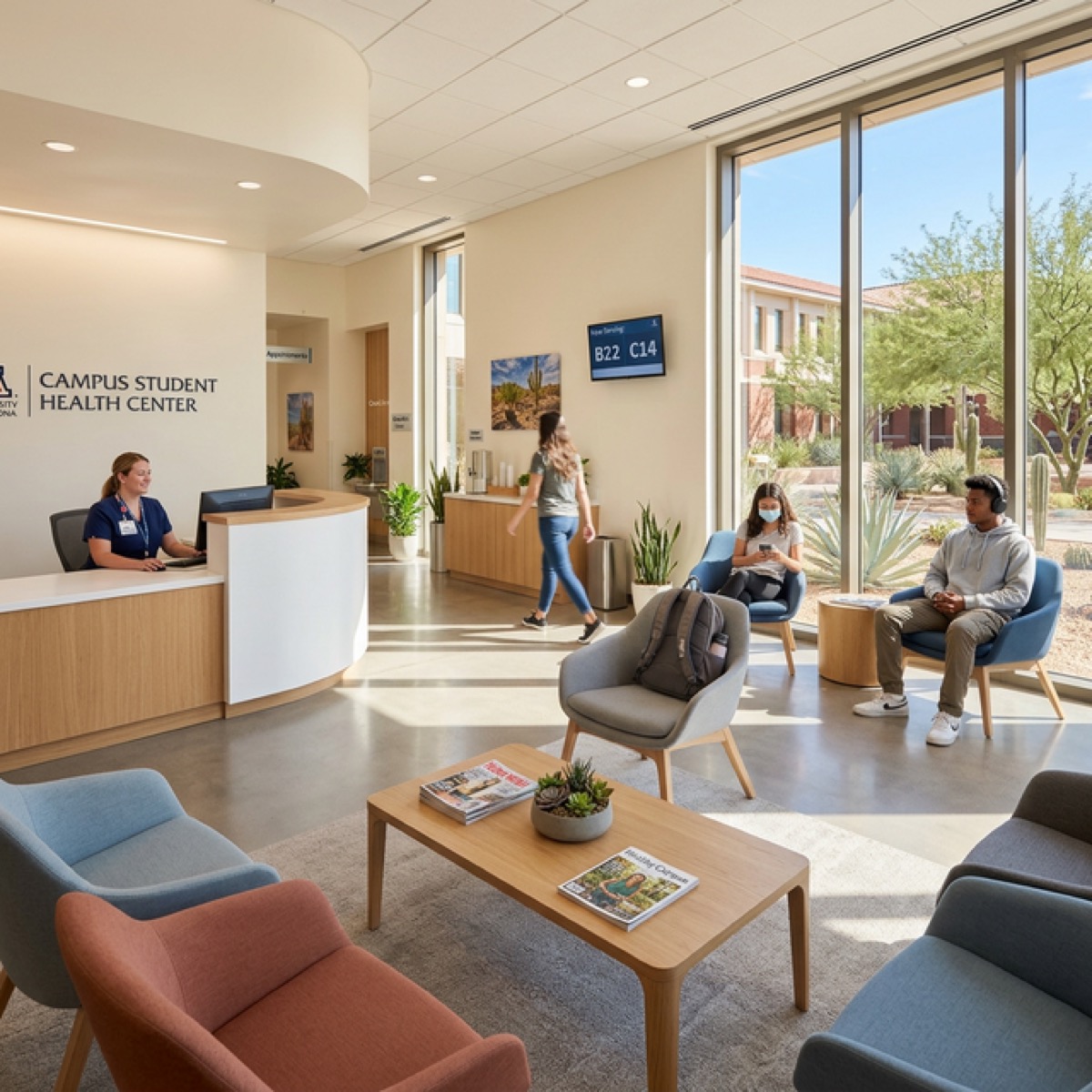
The University of Arizona provides several resources for students struggling with substance use, though these services are designed primarily for screening, brief intervention, and referral rather than comprehensive addiction treatment. Campus Health Service offers the BASICS (Brief Alcohol Screening and Intervention for College Students) program, which provides personalized feedback on drinking patterns and risk factors. BASICS is delivered in one to two sessions and is effective at reducing heavy drinking among at-risk students, but it is not treatment for alcohol use disorder.
Counseling and Psychological Services (CAPS), located in the Campus Health building on East First Street, provides short-term individual and group counseling that can address substance use as a component of broader mental health concerns. However, CAPS is limited to approximately 6 to 8 sessions per student and cannot provide the sustained, intensive therapy needed for students who have developed diagnosable substance use disorders. For these students, referral to community treatment providers or out-of-state programs is necessary.
If you are a UA student concerned about your substance use, start by scheduling a confidential appointment with CAPS (Counseling and Psychological Services) at (520) 621-3334 or by visiting Campus Health. Even if you are not ready for formal treatment, a conversation with a counselor can help you understand where you stand and what options are available.
BASICS Program
The BASICS program at UA is a harm reduction intervention that uses motivational interviewing to help students examine their drinking behavior without judgment. It involves an online assessment followed by one or two in-person sessions with a trained counselor. BASICS has been extensively researched and is effective at reducing alcohol-related problems among college students. It is available through Campus Health and is often mandated for students who violate campus alcohol policies.
- Evidence-based brief intervention designed specifically for college students
- Uses motivational interviewing techniques to promote self-assessment of drinking patterns
- Available through Campus Health as both voluntary and mandated programming
- Effective at reducing harmful drinking but not designed as treatment for alcohol use disorder
CAPS and Mental Health Services
CAPS provides short-term counseling that can address substance use alongside anxiety, depression, relationship issues, and academic stress. The service is available to all enrolled students and offers both individual and group formats. For students whose substance use is intertwined with mental health issues, CAPS can provide initial stabilization and referral to longer-term community resources. Crisis services are available during business hours, and the 988 Suicide and Crisis Lifeline provides 24/7 support.
- Short-term individual counseling (typically 6-8 sessions) at no additional cost to enrolled students
- Group therapy options that address substance use in the context of broader wellbeing
- Crisis assessment and safety planning for students in acute distress related to substance use
- Referral coordination to community treatment providers for students needing higher-level care
Collegiate Recovery Community
The University of Arizona hosts a Collegiate Recovery Community (CRC) that provides peer support and programming for students in recovery from substance use disorders. The CRC offers a sober social community, study groups, social events, and mentorship from students further along in their recovery journey. The CRC is a critical resource for students who have completed treatment and are returning to the UA campus, as it provides an alternative social network to the drinking-centered culture that dominates campus life.
- Peer-led community providing sober social events, study groups, and mutual support
- Dedicated lounge space on campus for CRC members to study and socialize in a substance-free environment
- Connections to local 12-step meetings, SMART Recovery, and other community recovery resources
- Support for students transitioning back to campus life after completing off-campus or out-of-state treatment
When Campus Resources Are Not Enough: Recognizing Addiction
There is a critical distinction between college-age heavy drinking that responds to brief interventions like BASICS and a diagnosable substance use disorder that requires professional treatment. Campus resources are designed for the former: students who are drinking too much but have not crossed the threshold into addiction. For students who have lost the ability to control their use, who experience withdrawal symptoms when they stop, who continue using despite serious academic, health, or legal consequences, or who have unsuccessfully tried to cut back on their own, professional addiction treatment is necessary.
Recognizing this threshold can be difficult in a college environment where heavy drinking is normalized. If your GPA has dropped significantly due to substance use, if you have experienced blackouts more than once, if your relationships with family and non-using friends have deteriorated, if you have been arrested for a DUI or drug-related offense, or if you wake up each day thinking about when you can next drink or use, these are signs that your substance use has progressed beyond what campus resources can address. Denial is a hallmark of addiction, and it is particularly powerful in college settings where peers are engaging in similar behavior.
If you are a UA student and your substance use has resulted in academic probation, failed classes, DUI arrest, hospitalization, sexual assault while intoxicated, or inability to stop despite wanting to, your use has likely crossed the line from risky behavior to addiction. CAPS can help with initial assessment, but professional treatment is likely necessary.
Community Treatment Options for UA Students in Tucson
For UA students whose substance use requires professional treatment beyond what campus resources provide, Tucson has several community treatment options. The appropriate level of care depends on the severity of the addiction, co-occurring mental health conditions, medical stability, and the student's support system. Some students can continue attending classes while participating in outpatient treatment, while others need to take a medical leave of absence to focus on residential or intensive outpatient care.
CODAC Health, Recovery and Prevention offers outpatient and intensive outpatient services that can accommodate student schedules. Cottonwood Tucson provides residential treatment in a desert campus setting that is well-suited for young adults. Pasadera Behavioral Health Network offers PHP and IOP programming with groups designed for younger populations. For students on family insurance plans, most PPO policies will cover treatment at these community providers. The Dean of Students office can provide guidance on medical leave policies and academic accommodations for students entering treatment.
Medical Leave, Academic Accommodations, and Returning to Campus
One of the biggest concerns for UA students considering addiction treatment is the impact on their academic career. The University of Arizona, like most major universities, has policies that accommodate students who need to take medical leave for substance abuse treatment. The Dean of Students office and the Disability Resource Center can help navigate these processes, which are designed to protect the student's enrollment status and facilitate a smooth return to campus when they are ready.
A medical leave of absence typically pauses the academic clock, allowing the student to withdraw from current courses without the grade penalty associated with failing or dropping classes mid-semester. Upon completion of treatment, the student works with their academic advisor and the Dean of Students office to plan their return, which may include a reduced course load for the first semester back, connection with the Collegiate Recovery Community, ongoing outpatient treatment or counseling, and modified housing arrangements that support sobriety.
The University of Arizona's medical leave of absence policy allows students to step away from coursework for addiction treatment without jeopardizing their enrollment or financial aid status. Contact the Dean of Students office at (520) 621-7057 for guidance on the process and your specific situation.
Why Some UA Students Seek Treatment Away from Tucson
For students whose addiction is deeply intertwined with the UA campus culture, attempting to get sober while remaining in the environment that fueled their substance use can feel nearly impossible. The bars on University Boulevard and Fourth Avenue, the parties along "Bro Row," the tailgating rituals, the social media feeds filled with peers drinking, these triggers are omnipresent for students living on or near campus. Taking a medical leave and seeking treatment in a different city removes these cues from the equation and allows the student to focus entirely on recovery without the constant pull of the college party scene.
Orange County, California is a particularly appealing treatment destination for UA students. The coastal environment feels like a vacation rather than a punishment, which can help young adults who are resistant to the idea of rehab engage more fully in the process. The region has numerous treatment programs specifically designed for young adults aged 18 to 30, with programming that addresses the developmental and social challenges unique to this age group. Trust SoCal, located at 16537 Elm Cir, Fountain Valley, CA 92708, offers young adult addiction treatment with a clinical approach tailored to the college-age population.
Young Adult Treatment at Trust SoCal: A Fresh Start for UA Students
Trust SoCal in Fountain Valley, CA understands the unique challenges that college students face in addiction recovery. Young adults are in a developmental stage where identity formation, peer relationships, academic pressure, and the transition to independence all intersect with substance use in complex ways. Treatment approaches that work for middle-aged adults may not resonate with a 20-year-old UA student who is still figuring out who they are and what they want from life. Trust SoCal's programming addresses these developmental realities with age-appropriate therapy, experiential activities, and a peer community of other young adults in recovery.
The facility's location in Orange County provides UA students with a complete environmental change. Instead of the Sonoran Desert and the temptations of the campus bar scene, clients find themselves near the Pacific Coast, engaging in surfing and beach activities, exploring a new city, and building friendships with peers who share the commitment to recovery. The program includes academic support to help students maintain momentum during treatment, family therapy conducted virtually with parents and siblings back in Arizona, and a comprehensive aftercare plan designed specifically for returning to the university environment.
Getting sober at UA felt impossible. Every time I walked down University Boulevard, I passed five bars and a dozen people I used to drink with. Going to Trust SoCal was the best decision I ever made because it gave me space to actually hear what my therapist was saying without the noise of campus pulling me back in.
Prevention and Harm Reduction: Protecting Yourself and Your Friends
For UA students who are not yet struggling with addiction but want to protect themselves and their friends in a high-risk campus environment, prevention and harm reduction strategies are essential. The most critical message in the current environment is about counterfeit pills: any non-prescribed pill obtained outside a pharmacy, whether it looks like Percocet, Xanax, Adderall, or anything else, could contain a lethal dose of fentanyl. There is absolutely no way to tell by looking at a pill whether it is legitimate or counterfeit. This is not an exaggeration; it is the reality of the current drug supply in Tucson.
Beyond the fentanyl threat, practicing harm reduction around alcohol can prevent the progression from heavy drinking to alcohol use disorder. Setting drink limits before going out, alternating alcoholic drinks with water, eating before drinking, avoiding drinking games and shots, watching out for friends who are dangerously intoxicated, and never leaving a drink unattended are all evidence-based harm reduction strategies. If you find that you are unable to follow these strategies, or that you consistently drink more than you intended despite planning to moderate, that is a signal worth paying attention to and discussing with a counselor at CAPS.
The single most important harm reduction message for UA students: never take a pill that did not come directly from a licensed pharmacy in its original packaging. Counterfeit pills containing fentanyl are circulating on and near the UA campus, and a single pill can be fatal. If you choose to use any substance, carry naloxone and never use alone.

Rachel Handa, Clinical Director
Clinical Director & Therapist