Key Takeaways
- Broken Arrow is a fast-growing Tulsa suburb with 130,000+ residents requiring accessible addiction treatment services
- Suburban community context creates both protective factors (family structure, community stability) and risk factors (isolation, limited resources)
- Family-focused treatment addresses how addiction affects spouses, children, and extended family systems
- Broken Arrow treatment combined with Tulsa-area services provides comprehensive care continuity
- Community peer-support networks and recovery-friendly employers support suburban recovery culture
Broken Arrow Suburban Community and Addiction Context
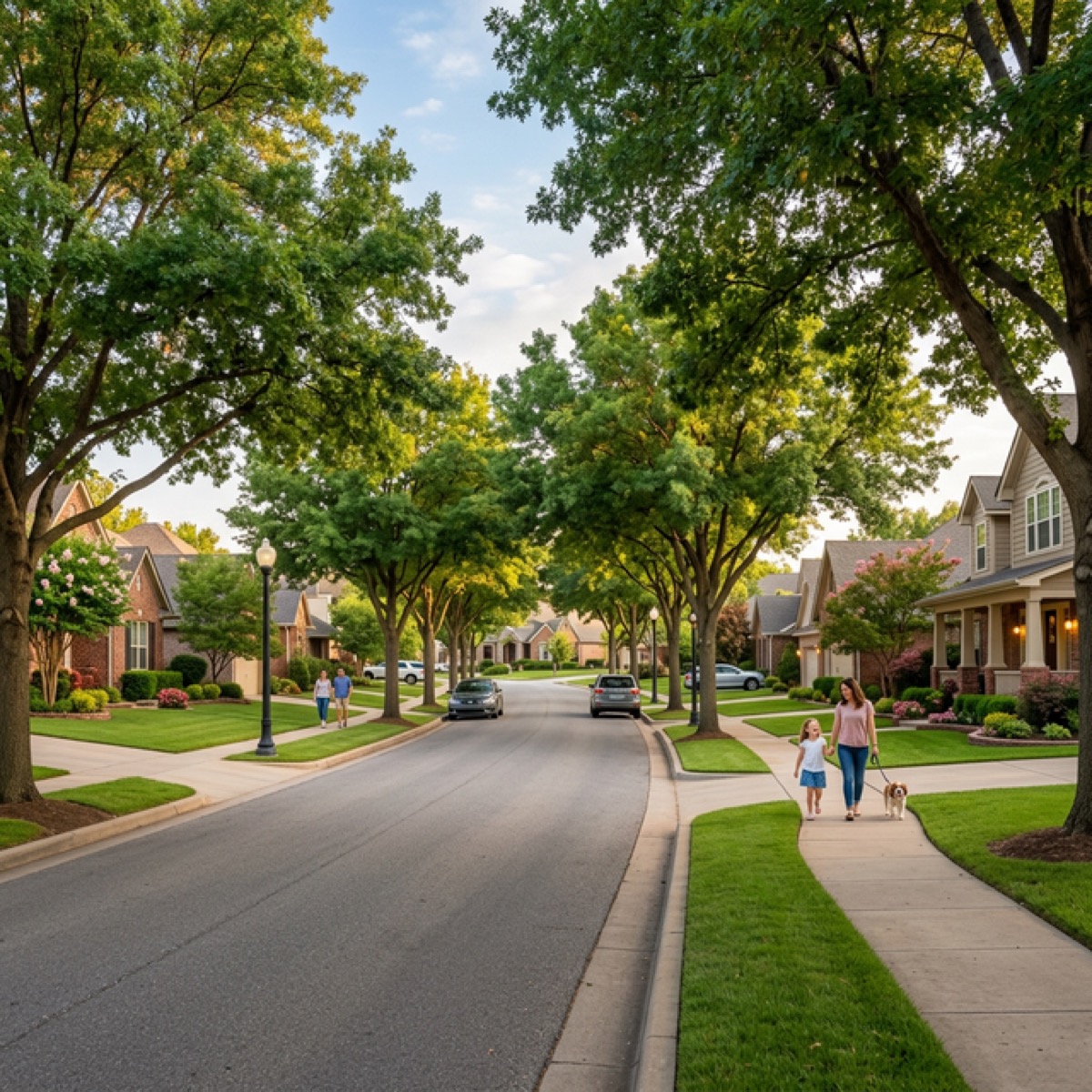
Broken Arrow, located 20 miles south of Tulsa in Tulsa and Wagoner counties, is Oklahoma's 3rd largest city with over 130,000 residents. The community features suburban characteristics: family-centered culture, established neighborhoods, schools and youth activities, and commuter population working in Tulsa. Broken Arrow has experienced rapid growth over the past 20 years, transforming from a small town to a significant suburban center. This growth includes growing substance use prevalence, particularly among young adults and suburban professionals facing occupational stress, family pressures, and social isolation.
Broken Arrow's suburban context creates distinctive addiction dynamics: families may be geographically distant from extended support systems; teenage substance use affects schools and youth programs; professional adults face occupational consequences and license/employment risk. Suburban isolation can paradoxically increase addiction vulnerability despite community stability. Effective treatment addresses not just the presenting addiction but suburban family and occupational contexts. Access to Tulsa-area treatment (20 minutes away) combined with local community resources provides comprehensive care.
Suburban communities often experience substance use despite outward stability. Economic pressure, social isolation, and family stress are real in suburbs even when neighborhoods appear prosperous.
Local Broken Arrow and Wagoner County Treatment Resources
Broken Arrow hosts multiple community mental health agencies providing addiction treatment services. Counseling services, psychiatric evaluation, and medication management are available through local providers. Most accept Oklahoma Medicaid (SoonerCare), private insurance, and offer sliding-scale fees. Broken Arrow medical centers including Broken Arrow Urgent Care and associated clinics can conduct initial screening and referral. For intensive inpatient detoxification or residential treatment, Tulsa-area facilities 20 miles away are readily accessible.
Wagoner County Public Health Department coordinates addiction services for rural Wagoner County surrounding Broken Arrow. Federally Qualified Health Centers provide primary care with integrated behavioral health. These local resources work best for ongoing outpatient care; more intensive needs typically require Tulsa referral. Many Broken Arrow residents benefit from hybrid approach: initial assessment and referral in Broken Arrow, intensive treatment in Tulsa, and return to Broken Arrow for ongoing outpatient care and peer support.
Start treatment assessment in Broken Arrow; providers can refer to Tulsa specialists for intensive care if needed. This approach supports local continuity while accessing necessary resources.
Family-Focused Treatment and Recovery in Suburban Context
Broken Arrow's family-oriented culture makes family-focused treatment particularly appropriate. Addiction affects entire families: spouses navigate betrayal, trust loss, and economic stress; children experience parental neglect, modeling of substance use, and emotional disruption; extended family members often provide financial or housing support enabling continued use. Family therapy addressing these dynamics helps spouse and children understand addiction as medical condition, establish boundaries, and participate in individual recovery. Many Broken Arrow individuals enter treatment after family ultimatums, recognizing relationship and family stability as motivation for sustained recovery.
Family recovery support includes organizations like Al-Anon (for families of alcoholics) and Nar-Anon (for families of narcotic users), with meetings available in Broken Arrow and Tulsa. Family members benefit from understanding addiction's neurobiological basis, learning how to stop enabling, setting boundaries, and pursuing their own recovery from addiction's family impacts. Treatment programs should offer family assessment and therapy as core components, not optional add-ons. Spousal involvement in discharge planning and aftercare coordination significantly improves outcomes.
My family finally understood this wasn't about character—it was a real disease. That understanding transformed how we supported recovery.
— Broken Arrow Family Member
Suburban Occupational Addiction and Professional Consequences
Broken Arrow suburban professionals face distinctive occupational risks and addiction pressures. Healthcare workers, educators, attorneys, and business professionals experience high-stress environments predisposing substance use. Professional accountability systems (medical boards, state bars, teaching credentials) create fear of disclosure and delayed help-seeking. Some professionals use prescription medications obtained through healthcare access; others self-medicate stress and anxiety using alcohol. Occupational addiction often remains hidden until workplace performance deteriorates or legal consequences emerge.
Treatment for suburban professionals should address occupational stressors: workplace expectations, professional identity, career consequences of substance use, and professional board implications. Many professional licenses include pathways toward maintained licensure through treatment and monitoring—reducing the career-ending fear that delays help-seeking. Programs understanding professional contexts allow continued confidential treatment while supporting occupational recovery. For professionals whose local resources feel limited or who value geographic distance from professional communities, California-based intensive programs offer viable alternatives supporting comprehensive recovery.
Professional shame about addiction often delays treatment. Recognizing addiction as medical condition affecting many professionals normalizes care-seeking and improves treatment outcomes.
Peer Support and Community Recovery Infrastructure
Broken Arrow supports multiple peer-support meetings through Narcotics Anonymous, Alcoholics Anonymous, and SMART Recovery. Meetings occur at churches, community centers, and recovery facilities throughout Broken Arrow and nearby Tulsa. The suburban community setting often creates smaller, more intimate meetings compared to urban centers—creating both advantages (deeper relationships, accountability) and challenges (limited anonymity in tight-knit communities). Sponsorship networks connect newcomers with experienced peers. For individuals relocating from California-based intensive treatment, establishing meeting connections before returning home ensures smooth reintegration.
Young Adults and Suburban Family Recovery
Broken Arrow, with significant school systems and younger family populations, includes young adults living in family homes while navigating substance use and recovery. Young adults 18-25 face distinctive treatment needs balancing independence with family involvement. Treatment should address family dynamics: are parents supportive or enabling? Does living at home support or undermine recovery? Some young adults benefit from brief family separation during intensive treatment, establishing personal recovery foundation before resuming family relationships. Others benefit from family involvement from treatment outset.
Treatment programs should facilitate family conversations addressing realistic recovery expectations, boundary-setting, and ongoing support structures. Young adults often have educational or vocational aspirations; treatment discharge planning should address these. Suburban young adults may return to family homes post-treatment; coordination between treatment programs and families, plus establishment of local peer support, creates conditions for success. For young adults whose suburban contexts feel limiting or whose family relationships are problematic, discussing California-based intensive treatment offers viable alternatives.

Trust SoCal Editorial Team, Clinical Review Board
Editorial & Clinical Review